In a landmark move for urban conservation, two iconic species are set to return to London after an absence of nearly six centuries. The Rewilding East London project, based in Eastbrookend Country Park in Dagenham, has received official approval from local council leaders, marking a bold step towards enhancing the capital's natural heritage.
A Historic Comeback for London's Wildlife
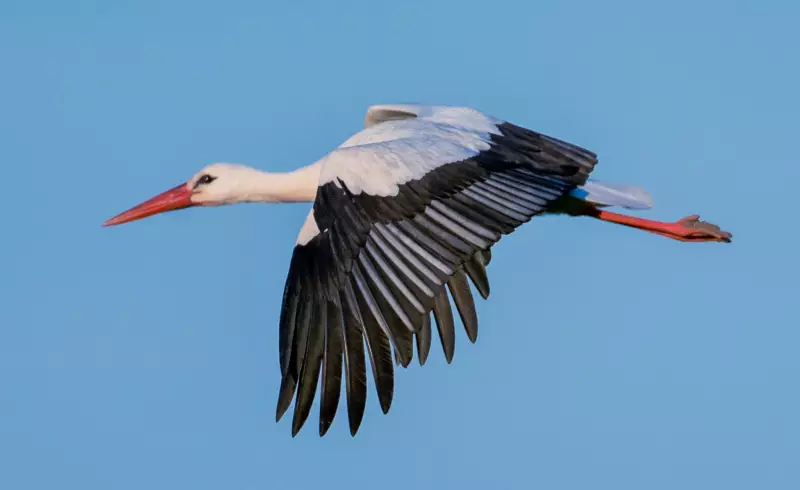
White storks, which vanished as breeding birds from the British Isles in the 1400s due to overhunting and habitat destruction, will once again grace the skies of east London. These majestic birds, recognisable by their tall stature of up to 1.5 metres, lanky legs, and striking black-and-white plumage, have been largely confined to central and southern Europe in recent times. Their reintroduction is not just a boon for bird enthusiasts but a symbolic revival of a native species.
Accompanying the storks will be beavers, renowned for their dam-building prowess and ecological benefits. While beavers are not entirely new to London, with an existing urban site at Paradise Fields in Ealing, their arrival in Dagenham represents a significant expansion of their presence in the capital. The beavers will be housed at The Chase nature reserve, complementing the storks' new home at Eastbrookend Country Park.

Project Details and Ecological Impact
The Rewilding East London initiative aims to significantly boost biodiversity and improve public access to green spaces in the Dagenham area. Key features of the project include the restoration of wetland habitats, a purpose-built aviary for the white storks to nest and potentially raise chicks, and an accessible enclosure with two lakes and natural woodland for the beavers.
This effort is a collaborative venture with the London Borough of Barking and Dagenham, supported by the Mayor of London. Sam Davenport, Director of Nature Recovery at the London Wildlife Trust, emphasised the broader implications: 'Reintroducing iconic flagship species like white storks and beavers will inspire communities to connect with nature and encourage landowners to create more wetland habitats, benefiting a wide range of other species.'
Davenport added that this reintroduction serves as a catalyst for wider ecological restoration, helping to build a greener and more resilient London for future generations.
Community Enthusiasm and Future Plans
Saima Ashraf, deputy leader of Barking and Dagenham Council, hailed the project as a 'bold and historic moment' for the borough. She remarked, 'This is a once-in-a-generation chance to witness nature's comeback into your own backyard,' reflecting the excitement among local residents.
Londoners eager to witness this wildlife revival can plan their visits accordingly. The white storks will be available for public viewing at Eastbrookend Country Park starting in October 2026, while the beavers are scheduled to arrive at The Chase nature reserve from March 2027. This initiative promises to enrich east London's wildlife-spotting opportunities, offering a unique glimpse into the capital's rewilded future.