Commonly available rat poisons present an unacceptable danger to native wildlife, a major government review has concluded, following the discovery of toxic chemicals in the bodies of protected birds and animals.
Review Stops Short of Full Ban
The long-awaited assessment by the Australian Pesticides and Veterinary Medicines Authority (APVMA), published recently, examined first- and second-generation anticoagulant rodenticides (FGARs and SGARs). While it recommended cancelling some products, it stopped short of a blanket ban, a decision that has dismayed conservationists.
Instead, the authority has proposed a temporary suspension of SGARs during a public consultation period. If enacted, these highly toxic products could only be sold under stricter new conditions concerning pack size and use. Their import or manufacture would become illegal unless they complied.

Secondary Poisoning Decimating Predators
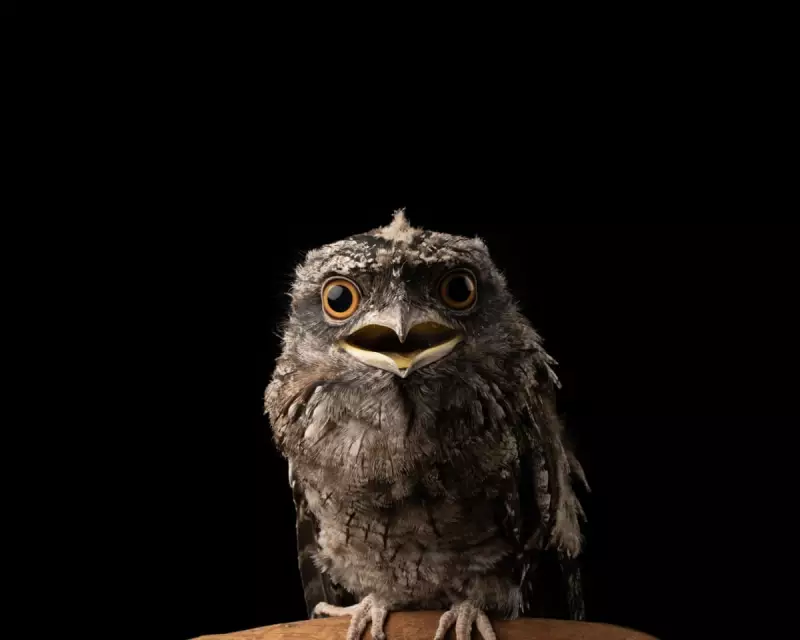
The core issue is secondary poisoning. Birds of prey, owls, and other native predators are consuming rats and mice that have ingested the poisons, leading to a painful death from internal bleeding. The review was prompted by studies finding rodenticides in deceased native species like tawny frogmouths, powerful owls, and quolls.
Associate Professor John White of Deakin University, who led a 2023 study, found 95% of dead tawny frogmouths had rodenticides in their livers, with 68% having levels high enough to cause death. He argues the proposed changes are insufficient. "From an environmental perspective, [SGARs] are just too toxic," White stated. "We should be completely banning these things, not tinkering at the edges."
Consumer Responsibility and Retailer Response
Holly Parsons from BirdLife Australia criticised the review for placing too much responsibility on consumers to read and follow complex labels. "Consumers should be able to walk into stores under the assumption that the products available to them aren’t going to inadvertently kill native animals," she said.
Major retailers are now reviewing their stock. A Woolworths spokesperson said they await the APVMA's final decision to inform a "responsible approach," noting they also sell alternative options. Bunnings and Coles declined to comment.
The proposed new safety instructions include:
- Limiting mice baits to indoor use only in tamper-resistant stations.
- Placing outdoor rat baits in tamper-proof stations within two metres of a building.
- Enforcing changes to pack sizes and stricter disposal rules for carcasses and unused bait.
The APVMA's recommendations are now subject to a three-month public consultation before a final ruling is made.