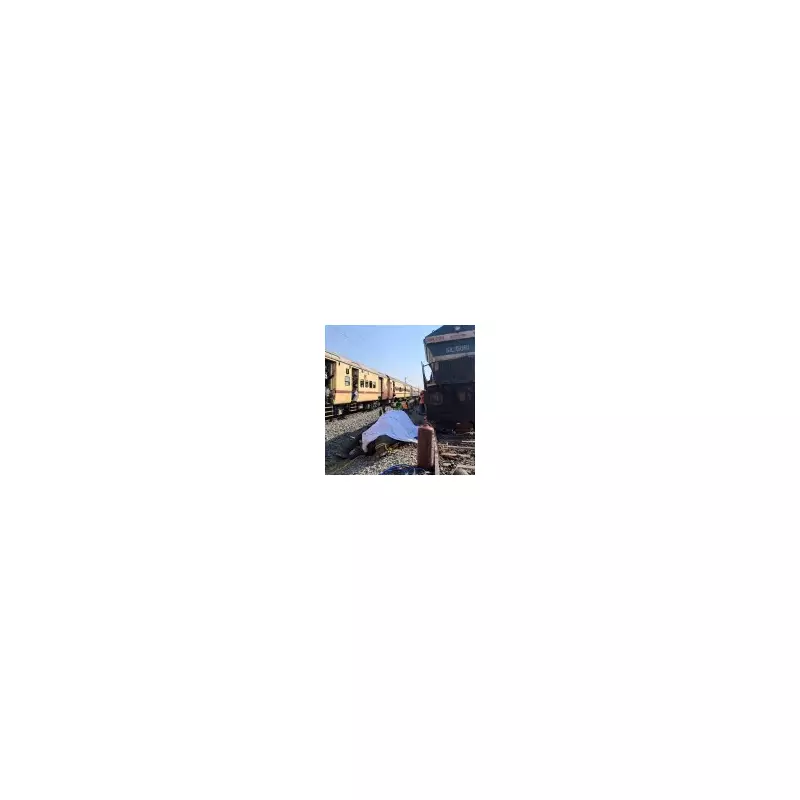
A high-speed passenger train in India has struck and killed a herd of wild elephants, causing a partial derailment and stranding hundreds of travellers in the early hours of the morning.
Early Morning Collision in Assam
The tragic incident occurred at 2:17 am local time on December 20, 2025, in the north-eastern state of Assam. The driver of the premium Rajdhani Express train spotted a large herd of approximately 100 elephants crossing the tracks and immediately applied the emergency brakes.
Despite the swift action, the train, which was travelling from Sairang in Mizoram state to the capital New Delhi, hit several animals. Seven wild Asiatic elephants were killed in the collision. Fortunately, there were no reported human casualties among the 650 passengers on board.

Derailment and Immediate Aftermath
The force of the emergency braking caused the train's engine and five carriages to derail. Indian Railways swiftly organised a response to manage the situation and assist the passengers.
In an official statement, a railway spokesperson said: ‘We delinked the coaches which were not derailed, and the train resumed its journey for New Delhi. Around 200 passengers who were in the five derailed coaches have been moved to Guwahati in a different train.’
Services in the area were significantly disrupted. The railway confirmed: ‘Trains scheduled to pass through that section are being diverted through another line. Restoration works are on.’
An Ongoing Conflict Between Rails and Wildlife
This accident highlights a persistent and deadly conflict between India's expanding railway network and its significant wildlife populations. While elephant crossings are frequent in many parts of the country, the forested area 78 miles south east of Guwahati was not officially identified as a known animal corridor.
Assam is home to a high concentration of wild Asiatic elephants, with an estimated 7,000 of the species residing in the state. Tragically, this incident is not isolated. A dozen elephants have been killed by passenger trains in this area since 2020.
The timing of the accident coincides with a period when elephants often stray into human territory, as rice fields are being harvested, potentially increasing the risk of such encounters.