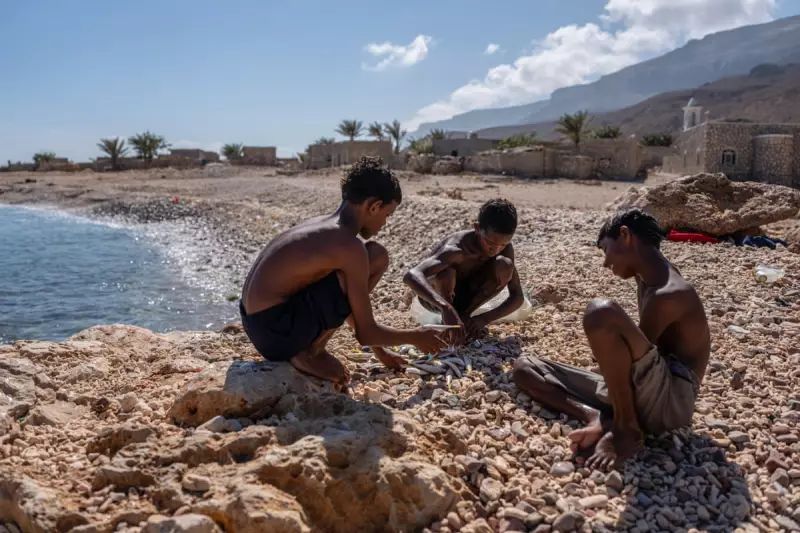
In the turquoise waters of the Arabian Sea, an island of breathtaking wonder faces an existential crisis. Socotra, often described as the most alien-looking place on Earth, finds itself caught in the crossfire of Yemen's devastating political turmoil, threatening its unique ecosystem that has evolved in isolation for millions of years.
The Galapagos of the Indian Ocean
This remote archipelago, separated from mainland Arabia for over 20 million years, hosts a biological treasure trove unlike anywhere else on the planet. Nearly 40% of Socotra's plant life and 90% of its reptile species exist nowhere else, creating a living laboratory of evolution that scientists cherish.
The iconic Dragon's Blood trees, with their umbrella-shaped canopies and crimson sap, stand as ancient sentinels across the rugged landscape. These botanical marvels, some centuries old, now face unprecedented threats from climate change, invasive species, and the breakdown of environmental protection systems amid ongoing conflict.

A Paradise in Peril
Recent photographic evidence reveals the dual reality of Socotra's current predicament. While its white sand beaches and crystal-clear waters retain their pristine beauty, the absence of robust conservation efforts and growing human pressures paint a worrying picture for the island's future.
The Yemeni civil war has created a perfect storm of challenges for Socotra's fragile environment:
- Reduced government oversight and conservation funding
- Increased pressure on natural resources from local communities
- Growing tourism development without proper environmental safeguards
- Climate change impacts including changing rainfall patterns
UNESCO's Concern Grows
Designated a UNESCO World Heritage site in 2008, Socotra represents one of the world's most important biodiversity hotspots. International conservation organizations have expressed increasing alarm about the island's deteriorating protection status, calling for urgent international intervention.
"Socotra represents a unique piece of our planetary heritage," explains Dr. Elena Martinez, a conservation biologist who has studied the island for decades. "The combination of political instability and environmental threats creates a crisis that demands global attention. We risk losing species we haven't even discovered yet."
Hope Amidst the Crisis
Despite the challenges, local communities and international partners continue efforts to protect Socotra's natural wonders. Conservation programs, though underfunded, persist in monitoring endangered species and working with residents to develop sustainable livelihoods that don't compromise the island's ecological integrity.
The international community faces a critical window to support conservation efforts before Socotra's unique biodiversity suffers irreversible damage. As political negotiations continue in Yemen, environmental advocates urge that Socotra's protection be included in any lasting peace agreement.
This otherworldly island, home to bottle trees that look like giant carrots and cucumber trees that belong in a Dr. Seuss book, represents not just Yemen's natural heritage, but humanity's shared responsibility to protect Earth's most extraordinary places.