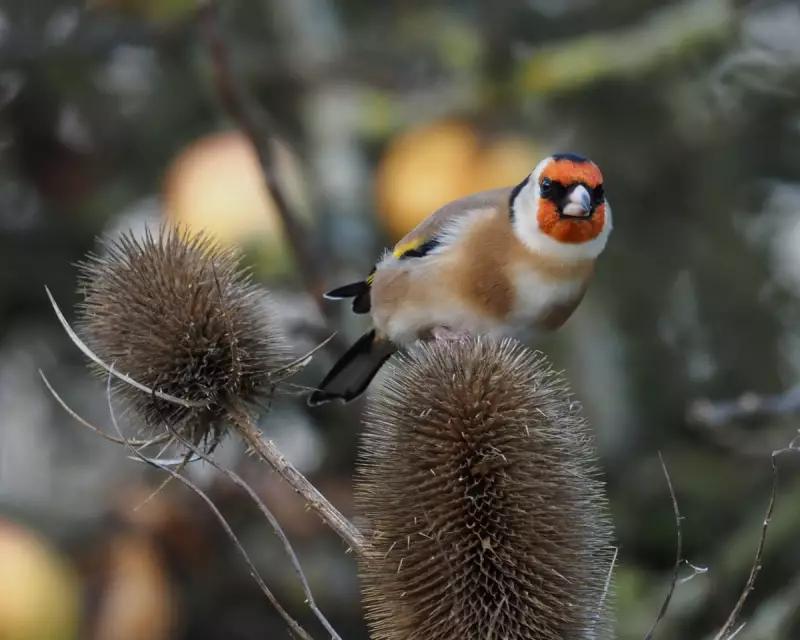
While tidying his Derbyshire garden in Hogshaw, a naturalist made a simple yet profound discovery. Old teasel stalks, left among the dead vegetation, were still shedding seeds and acting as a powerful magnet for flocks of goldfinches. Unwilling to deprive the birds – or himself – of this winter bounty, he planted the stalks together and settled down to watch. What followed was a scene of delicate magic.
A Garden Becomes a Theatre
From a mobile hide, the observer witnessed a captivating performance. The dried teasels swayed under the featherweight of their vibrant visitors. The air filled with the characteristic twittering of small, sulphur-winged birds as their pointed pink beaks jabbed relentlessly into the seed heads. This intimate garden encounter is a scene replicated across the UK, fuelled by a deep-seated cultural fascination that spans centuries.
The UK's wild-bird-food industry is now worth a staggering £380m annually, a significant portion of which is driven by the desire to attract these colourful finches. Countries like India grow thousands of tonnes of nyjer seed specifically for export to Europe, almost entirely to satisfy this demand. But our modern obsession has ancient and mystical roots.

From Classical Cure to Christian Symbol
The goldfinch holds a unique place in European art and folklore, illustrating a persistent thread of magical thinking. During the Middle Ages and the Renaissance, the bird was a hidden star in religious art. More than 300 artists, including Leonardo da Vinci, Raphael, and Michelangelo, featured goldfinches in 486 known works, often secreting them into paintings of the Madonna and Child.
This motif was no mere decorative whim. It drew on ancient Greek beliefs about a bird called the kharadrios thought to cure sickness with its gaze. Christian tradition later adapted this, attributing the goldfinch's distinctive red face to a compassionate act: an attempt to pluck thorns from Christ's bleeding crown during the crucifixion.
Art as Medicine in a Plague-Ridden World
These paintings were far more than symbols of faith; they were considered active medicine. Created in eras when plague ravaged Europe, owning an image containing a goldfinch was believed to confer protective, curative power. For our ancestors, the red-faced bird and the art that depicted it were both vessels of occult power, a desperate and heartfelt form of healing in a terrifying world.
It's easy to dismiss such beliefs as quaint history. Yet, look at the lengths we go to today: spending small fortunes on specialised seed and designing gardens to welcome them. The goldfinch's gift for charming humans off their perches remains utterly undimmed. Its journey from a divine healer in a Renaissance masterpiece to a treasured visitor at a Derbyshire bird feeder is a testament to its enduring, enchanting hold on our imagination.