Urban Nature Deserts: England's Stark Divide in Green Space Access Revealed
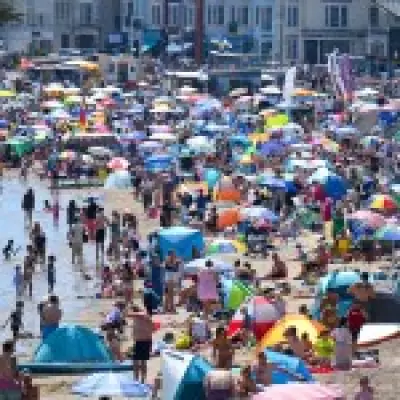
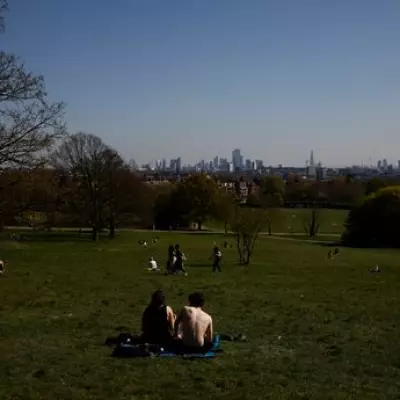
New government data has unveiled a troubling reality in England, where urban areas exist with no residents living within a 15-minute walk of nature. This analysis, released by the Department for Environment, Food and Rural Affairs, underscores a significant disparity between rural regions and poorer urban communities. While the data indicates that 80% of the population enjoys proximity to green or blue spaces like parks, rivers, or woodlands, it also exposes a postcode lottery in access to these vital natural resources.
The Government's Environmental Goals and Current Shortfalls
Under the government's environmental improvement plan published earlier this year, a key objective is to ensure universal access to green or blue spaces for all citizens. However, the latest figures reveal that in some local authority areas, fewer than 20% of residents live close to such environments. For instance, in Middlesbrough, the most deprived local authority in England, just 1% of people in one part and 16% in another are within a 15-minute walk of nature. Similarly, two parts of Doncaster record no residents with access to green or blue spaces within this timeframe, with multiple areas in cities like Bristol and Southampton also lacking such provisions.
Regional Disparities and Urban Challenges
The data highlights widespread issues across various regions. In London, large swathes of areas in Harrow, the City of London, Croydon, and Waltham Forest see fewer than half of their populations meeting the 15-minute standard for green space access. Outside the capital, local authorities such as North East Lincolnshire, Leicester, Gedling, Nottingham, and Knowsley also report that fewer than half of their residents are within a short walk of nature. This urban-rural divide is stark, with 91% of rural households having access compared to only 78% of urban households.

Health Implications and Policy Concerns
Access to nature is crucial for physical and mental wellbeing, with recent studies showing that living near parks or natural green spaces can reduce anxiety and depression by approximately 20%. Conversely, those residing more than 800 meters from green areas report higher levels of wellbeing issues, particularly evident during the Covid-19 lockdowns. Nature campaigners have raised alarms that government policies deregulating planning for homes and infrastructure could further erode green space availability, especially in less affluent urban areas. New legislation allowing housing developers to build on once-protected green spaces without replacing lost nature in surrounding regions exacerbates these concerns.
Expert Insights and Calls for Action
Access Minister Helene Hayman emphasized the government's commitment to improving nature access, stating, "Spending time in nature is so important for our mental and physical wellbeing, and this government is working to deliver better access for people across the country, no matter where they live." She highlighted initiatives like the announcement of the first of nine national river walks, the Mersey Valley Way, and two new national forests. However, Paul de Zylva of Friends of the Earth pointed out that the data does not account for the quality of accessible spaces, noting, "The UK is one of the most nature-depleted countries in the world. It's one thing having wild spaces on your doorstep, but they need to be places where nature can thrive – not degraded and polluted as so many are." He stressed that everyone deserves access to thriving natural environments to support community health and planetary wellbeing.