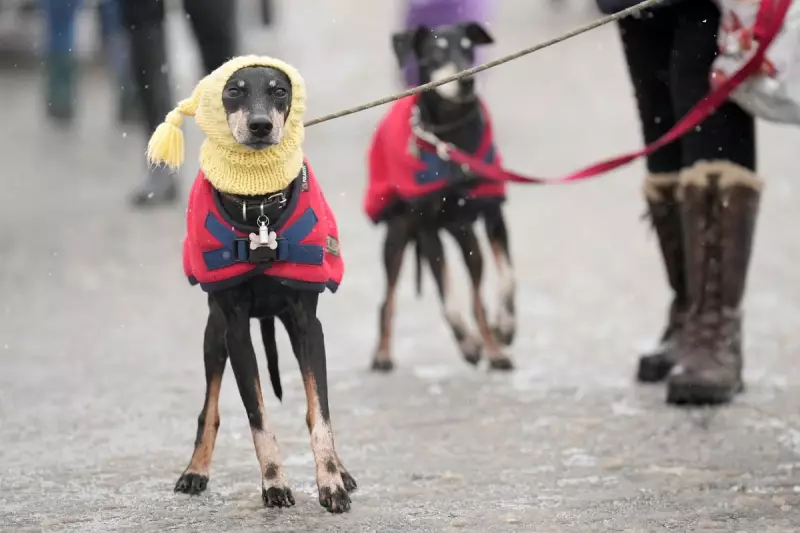
The UK is currently gripped by a severe cold snap, with plummeting temperatures leading to widespread disruption, including school closures and cancelled flights. The Met Office has issued yellow weather warnings for snow and ice across vast swathes of the country. For dog owners, this harsh weather poses a critical question: when is it simply too cold to take your pet for its essential walk?
Safe Temperature Thresholds for Dog Walking
According to veterinary experts, there is no universal answer, as a dog's tolerance depends heavily on its breed, size, age, and health. Pets At Home advises that smaller breeds and short-haired dogs are at a significantly higher risk of conditions like frostbite and hypothermia. They recommend a cautious approach during frosty or snowy conditions, opting for shorter walks.
Research from academics at Tufts University in Massachusetts provides more specific temperature guidelines. They suggest that temperatures between -1°C and 4°C could be "potentially unsafe" for small and medium-sized dogs. For larger breeds, the potentially unsafe range is between -6°C and 1°C. The academics classify temperatures below -4°C as potentially dangerous for small dogs and between -4°C and -9°C for medium dogs, warning against prolonged exposure.

Essential Winter Dog Walking Tips
The Dogs Trust has issued vital advice for keeping dogs safe during the winter months. Their key recommendations include:
- Keeping your dog on a lead in snowy conditions.
- Ensuring your dog wears a collar with an ID tag and is microchipped.
- Thoroughly wiping your dog's legs, feet, and stomach after every walk to remove ice, salt, or antifreeze.
- Never leaving your dog unattended in a car during cold weather.
- Avoiding frozen ponds and keeping all antifreeze products securely away from pets.
- Dressing appropriately for the weather, both for you and your pet.
- Regularly checking your dog's leads, collars, and harnesses for wear and tear.
How to Keep Your Dog Warm and Protected
Beyond limiting walk times, proactive measures are crucial. For dogs with thick coats, avoid winter haircuts to let their natural insulation grow. Short-haired or vulnerable dogs may benefit from a well-fitted coat, introduced gradually to ensure they are comfortable.
For evening walks, reflective coats and flashing collar lights are advised to maintain visibility. The Blue Cross also suggests considering protective winter boots for dogs who show signs of discomfort, such as lifting their paws or whining. They advise choosing boots with a good sole and Velcro straps, and acclimatising your dog to them indoors first.
Furthermore, the RSPCA states that dogs should not be kept in temperatures below 10°C, emphasising that outdoor dogs must have a warm, dry shelter away from the elements, with daily temperature monitoring essential.
With the cold spell set to continue, prioritising your dog's wellbeing by understanding these temperature limits and following expert guidance is the best way to ensure they stay safe and healthy throughout the winter.