Wildlife Photography Showcases Global Biodiversity and Conservation Efforts
This week's collection of wildlife photographs from across the world offers a captivating glimpse into the beauty and challenges facing our planet's fauna. From the icy shores of Maryland to the tropical wetlands of Thailand, these images highlight both the resilience and vulnerability of species in their natural habitats.
Notable Highlights from the British Ecological Society Competition
An American crocodile in Panama, photographed by Zeke Rowe, has been awarded the Overall Winner of the British Ecological Society's annual Capturing Ecology competition. The image captures the reptile's stoic demeanour as blood-sucking horse flies feed on its snout, illustrating the complex interactions within ecosystems. This powerful shot underscores the theme of coexistence in nature, even among apex predators and parasites.
Endangered Species in Focus
Among the featured creatures is the axolotl, a small salamander that has surged in online popularity while facing critical threats in the wild. Native to Mexico, these amphibians are vanishingly rare due to habitat loss and pollution, making their conservation a pressing issue. Similarly, dugongs along the Andaman coast in Thailand, once part of a viable population, are now experiencing alarming mortality rates, with dead individuals washing ashore, prompting urgent environmental concerns.

Climate Change Impacts on Wildlife
Research indicates that climate change is altering animal behaviours, as seen with chinstrap penguins in Antarctica. These penguins have shifted their breeding season by an average of ten days earlier, a direct response to changing environmental conditions. This adaptation highlights the broader ecological disruptions affecting polar regions and their inhabitants.
Rare and Unique Sightings
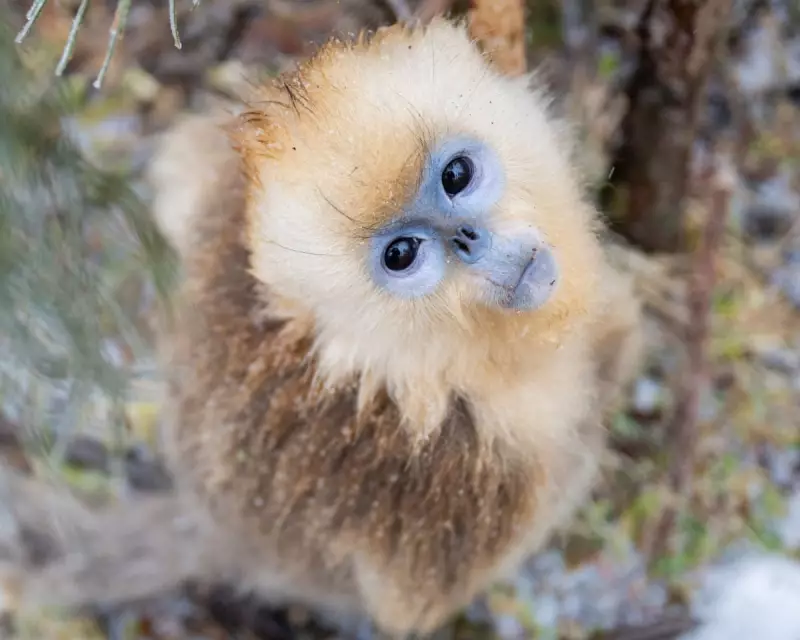
The collection includes several rare specimens, such as an albino squirrel on the National Mall in Washington DC. Scientists estimate that only about 20 of these pale squirrels exist among nearly two million in the United States, making this a particularly unusual sighting. Additionally, a golden snub-nosed monkey at the Dalongtan Golden Monkey research centre in China represents a conservation success, with populations now totalling over 1,600 individuals across a protected habitat.
Conservation and Rehabilitation Efforts
Efforts to support wildlife are evident in images like that of Mrs Q, a crested caracara with a permanent wing injury, receiving care at the Avian reconditioning centre in Florida. Meanwhile, in Indonesia, olive ridley turtle hatchlings are being released into the wild from the Turtle Conservation Center to bolster populations and maintain marine ecosystem balance. These initiatives demonstrate the ongoing work to protect and rehabilitate species facing human-induced threats.
Paradoxical Population Trends
A striking example of wildlife management challenges is seen with koalas in Australia. In northern states, numbers are declining due to habitat destruction and disease, while in parts of Victoria and South Australia, overpopulation is leading to defoliation and starvation. This paradox underscores the need for tailored conservation strategies that address regional variations in species health and abundance.
Migration and Habitat Restoration
The Hula Valley nature reserve in Israel serves as a critical migration sanctuary for hundreds of millions of birds travelling between Europe, Asia, and Africa. This highlights the importance of preserving key stopover sites for migratory species. Similarly, the Orlando wetlands park in Florida, originally part of a wastewater treatment system, now thrives as a diverse bird habitat, showcasing successful habitat restoration projects.
These photographs not only celebrate the aesthetic appeal of wildlife but also serve as poignant reminders of the ecological issues at hand. They encourage viewers to appreciate biodiversity while advocating for stronger conservation measures worldwide.