Wildlife Trusts Mark 100th Birthday with Ambitious Woodland Revival in Norfolk
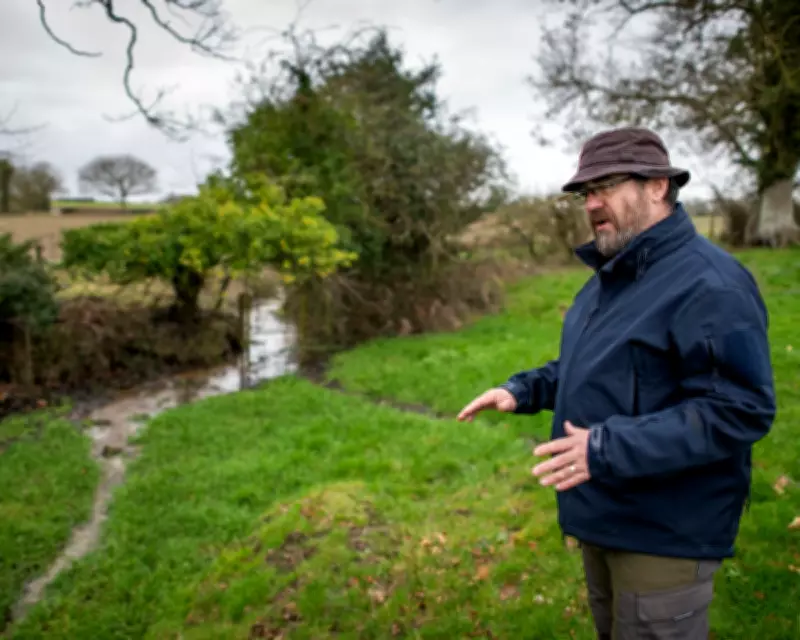
Steve Collin of Norfolk Wildlife Trust stands on the newly acquired farmland at Wood Norton, a site poised for transformation. This purchase marks a significant milestone as the Wildlife Trusts celebrate their centenary, reflecting a century of dedication to nature conservation.
A Century of Conservation: From Pub Meeting to National Movement
The Wildlife Trusts, a coalition of 47 independent charities with nearly a million members and 2,600 nature reserves, trace their origins to 1926. It began when Dr. Sydney Long gathered 12 subscribers in the George and Dragon pub in Cley, north Norfolk. They purchased nearby marshes for £5,160, creating a 407-acre bird sanctuary that endures today.
Now, Norfolk Wildlife Trust honors this legacy with a £4.6 million acquisition of 136 hectares (336 acres) at Wood Norton. This project symbolizes a shift in conservation strategy: moving beyond protecting isolated habitats to actively restoring lost ecosystems and enhancing bioabundance.

Wood Norton: A New Chapter in Habitat Creation
Eliot Lyne, chief executive of Norfolk Wildlife Trust, describes Wood Norton as "one of the most significant habitat creation projects in our 100-year history." The site, once home to Norton Wood—cleared during World War II—will soon see trees regrow, reviving a landscape that has lingered only in the village name.
Steve Collin, a nature conservation manager, explains the evolving approach: "Traditionally, conservation focused on protecting rare species. While necessary, we now recognize that common species are also declining. Biodiversity and bioabundance are interconnected; we must act before species become critically endangered."
Wildlife and Ecological Benefits of Restoration
Already, signs of wildlife resurgence are evident at Wood Norton. Skylarks fill the air, roe deer roam, and Chinese water deer inhabit thickets. The area features kestrels, badger tracks, and fox scents, with future plans to support arable weeds that provide nectar for insects.
Conservation scientists and nature-conscious farmers emphasize that restoring neglected land is crucial to reversing national wildlife declines. Collin notes, "This wildlife we are depleting also sustains us." The project aims to create a "bigger, better home for nature," offering benefits like carbon capture, natural floodplain functions, and improved water quality.
Funding and Community Impact
The purchase was enabled by £3.8 million from Natural England's nutrient mitigation scheme, which reduces nitrate and phosphate pollution in sensitive river catchments. Over 125 years, this will help clean the River Wensum and Norfolk Broads, allowing housing development in the area.
Lyne highlights the dual benefits: "We're creating a wild place for people to explore and connect with nature, while also supporting local housing needs. It's a win-win for wildlife and communities." Initial efforts will focus on rewiggling the canalised Wood Norton beck to enhance wetlands and support species like snipe, egrets, and dragonflies.
Adaptive Management and Future Vision
The trust embraces an adaptive approach, letting the land dictate its restoration. Collin states, "We don't want to force a human-created wildlife landscape. We must be agile and respond to what the landscape naturally desires." Inspired by rewilding successes like Knepp in West Sussex, future steps may include reintroducing herbivores such as cattle and ponies to maintain grassland and woodland mosaics.
Collin, who spent two years searching for suitable land, praises the previous owners' stewardship: "They respected the land, preserving trees and hedges. We need more places like this and nature-friendly farming to prevent a world without wildlife."
Volunteer Efforts and Hope for the Future
The Wildlife Trusts' growth from 12 subscribers to over 945,000 members nationwide underscores public support. Volunteers, like Patrick Barkham—voluntary president of Norfolk Wildlife Trust—find hope in local action. Barkham grows oak trees from acorns for Wood Norton and another nearby woodland, symbolizing long-term environmental commitment.

He shares, "Watching wildlife rebound on land where it was once banished is joyful and hopeful. While news stories fade, an oak tree can stand for a thousand years." This centenary project not only honors past achievements but sows seeds for a resilient natural future.