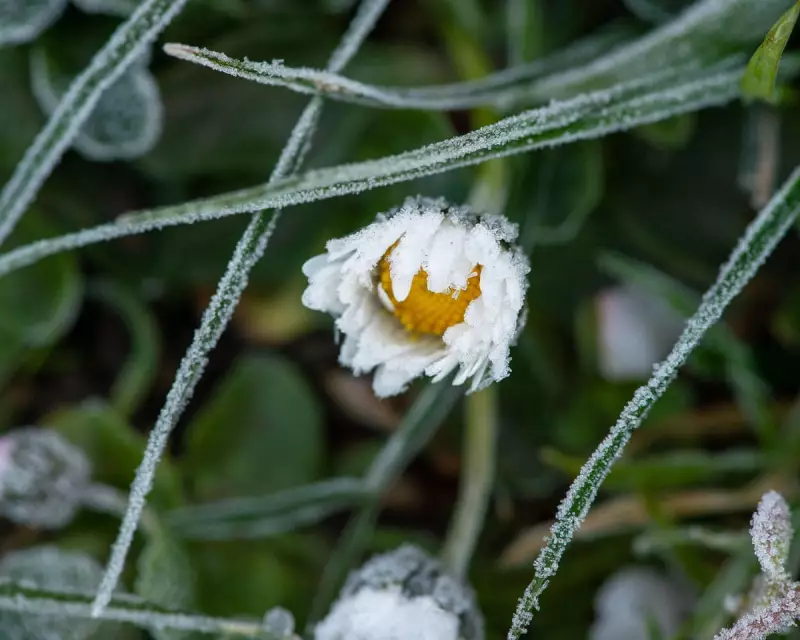
Hundreds of Britain's native wildflowers are flowering in the depths of winter, in what experts describe as a stark and visible signal of climate breakdown disrupting the natural world.
Citizen Science Reveals Unprecedented Winter Bloom
The annual New Year Plant Hunt, organised by the Botanical Society of Britain and Ireland (BSBI), has recorded a startling number of species in bloom during the festive period. In 2025, volunteers and citizen scientists logged 310 native plant species flowering across the UK, a figure that dwarfs the typical expectation of around 10 species for this time of year.
When non-native species are included, the total number of flowering plants counted jumps to 646. Early results for the 2026 hunt, which began recently, continue to show common wildflowers like daisies and dandelions blooming unexpectedly.

Direct Link to Rising Temperatures
A new analysis by the Met Office has quantified the direct impact of warmer weather on this phenomenon. The study of data from the past nine years found that for every 1°C increase in temperature at a given location during November and December, an extra 2.5 species were found in bloom during the subsequent New Year period.
"This new analysis shows a very clear link between rising temperatures and impacts on our plant species," said Kevin Walker, a scientist at the BSBI. He described the widespread winter blooming as a "visible signal" of climate change that people can observe in their own gardens and local parks.
Tangible Evidence of a Shifting World
The findings add to the growing body of evidence that climate change is radically altering natural cycles. Fossil fuel pollution has already heated the planet by an average of about 1.4°C above pre-industrial levels. The Met Office recently indicated that 2025 was likely the UK's hottest year on record, exacerbating weather extremes and disrupting ecosystems.
Debbie Hemming, a vegetation expert at the Met Office, stated the plant data provides "tangible evidence" that climate breakdown is directly influencing the environment around us. "These findings underscore how rising temperatures and increasing climate extreme events are shifting the natural cycles of our plants and wildlife," she explained.
The phenomenon is not limited to native species. The hunt also recorded non-native plants, such as Mexican fleabane and white and red dead-nettles, adding to the botanical confusion of the winter season and offering a clear, floral sign of a warming climate.