A Young Naturalist's Snowy Census: Tracking Wildlife in a Wintery Worcestershire Field
Under a thick blanket of snow, the Worcestershire countryside lay in a state of hushed tranquility. The bitter cold had transformed the landscape, with frost clinging to brambles that once drooped under the weight of summer blackberries. For a young observer named Rosie, aged 10, this snowy expanse became a fascinating canvas of animal activity, waiting to be deciphered.
Decoding the Winter Trails
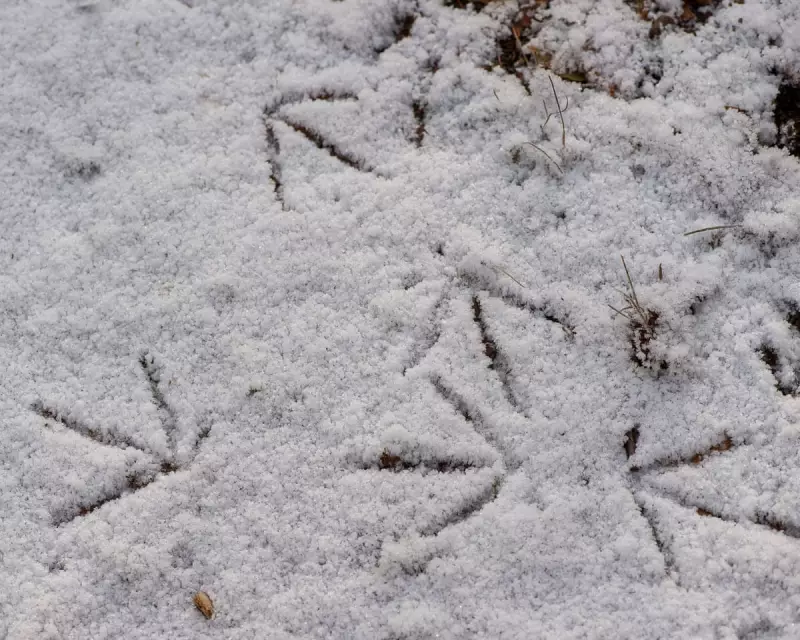
Accompanied by her mother and two brothers, Rosie embarked on a walk through the snowy field, where she noticed a myriad of animal prints scattered across the white surface. Large and small tracks dotted the ground, prompting her mother to download a specialised app to help identify the creatures responsible. This technological aid led to some amusing moments, as the app mistakenly flagged certain prints as belonging to coyotes—a highly unlikely visitor to the English countryside. Rosie speculated that these were more likely the work of local foxes, adding a touch of detective work to their adventure.
The app proved more accurate with other identifications, correctly recognising badger prints, which aligned with their knowledge of a nearby sett. Signs of deer, particularly muntjac, were also evident, a species they had previously spotted in the area. Rabbit tracks were abundant, with tiny prints weaving in and out of bramble patches, suggesting the presence of burrows hidden within. This network of trails resembled a miniature road system, bustling with unseen life.

Avian Activity in the Frosty Air
Bird footprints peppered the frozen ground, indicating their relentless search for worms and insects beneath the icy crust. The absence of summer swallows, which once swooped gracefully over the field, was noted with a hint of sadness. However, the bare trees were now occupied by jet-black crows, standing out starkly against the white snow and grey sky. Known collectively as a murder of crows, their presence added a dramatic contrast to the winter scene.
Extending the Exploration
Inspired by the snowy walk, Rosie ventured out again the following day, this time along a towpath beside a canal. Here, she discovered more tracks etched into the snow, this time created by moorhens. These birds could be seen paddling in the half-frozen water, their movements leaving a fresh set of prints to study. This extended exploration highlighted the continuous activity of wildlife, even in the coldest conditions.
Rosie's experience underscores the joy of winter nature observation, where snow acts as a temporary record of animal movements. It serves as a reminder that the countryside remains alive with creatures, from badgers and deer to birds and rabbits, each leaving their mark on the winter landscape. For young naturalists like Rosie, such outings offer valuable lessons in wildlife tracking and a deeper appreciation for the natural world.