Experts Urge Against Ketamine Reclassification to Class A Status
Leading drug policy advisors have strongly recommended that ketamine should not be reclassified as a Class A substance in the United Kingdom. The Advisory Council on the Misuse of Drugs (ACMD), which provides expert guidance to the government on drug-related matters, published its findings this week following a comprehensive review.
Current Classification and Usage
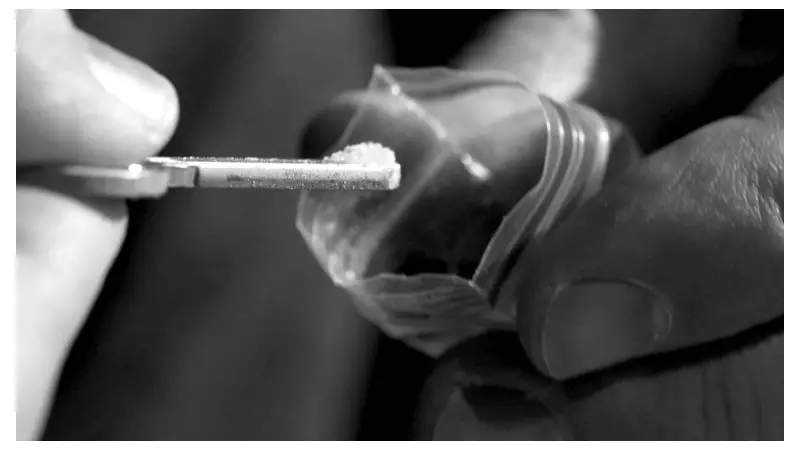
Ketamine is currently classified as a Class B drug under UK legislation. The substance has legitimate medical applications as an anaesthetic for both human patients and animals in clinical environments. However, it has also gained popularity as a recreational drug, typically consumed in powdered form after being crushed.
The government initiated this review process in January 2025 after official statistics revealed that illegal ketamine use had reached unprecedented levels during the year ending March 2023. This prompted ministers to seek expert analysis regarding potential reclassification.

ACMD Findings and Recommendations
The ACMD, an independent advisory body sponsored by the Home Office comprising academics, medical professionals, and law enforcement representatives, concluded that maintaining ketamine's current Class B status represents the most appropriate course of action. The council acknowledged this was "by no means a unanimous decision" among its members.
In their detailed report, the experts determined that "possible advantages of reclassifying ketamine were outweighed by the disadvantages." The council identified several significant concerns regarding potential reclassification:
- Increased stigma surrounding ketamine use that might discourage individuals from seeking addiction support services
- Potential for higher drug prices resulting from intensified enforcement activities associated with Class A status
- Greater risk of supply adulteration as dealers seek to maximise profits
- Possible escalation of income-generating criminal activities related to the drug trade
Consultation and Evidence Gathering
Throughout their twelve-month investigation, the ACMD consulted extensively with various stakeholders. Individuals with personal experience of ketamine use and its associated harms generally expressed skepticism that upgrading the drug's classification would effectively reduce consumption. Social care professionals participating in the consultation largely supported maintaining the current classification system.
The council emphasised the importance of adopting a comprehensive public health approach to address ketamine-related issues. They noted particular concern about "the availability of co-ordinated services for people, and in particular for children and young adults with ketamine use disorders, remains inadequate."
Additional Recommendations
While opposing reclassification, the ACMD proposed several measures to address ketamine-related harms:
- Enhanced international cooperation to identify source countries for illegal ketamine and develop strategies to reduce supply
- Expansion of roadside testing protocols to include ketamine detection
- Incorporation of ketamine screening in drug tests conducted during arrests to better understand connections between substance use and criminal behaviour
- Improved data collection across health services including ambulance responses, emergency departments, and urology clinics
- Greater support for police forces and healthcare professionals to identify, prevent, and respond to ketamine-related issues
Expert Perspectives and Personal Accounts
Dr Caroline Copeland, Senior Lecturer in Pharmacology and Toxicology at King's College London and Director of the National Programme on Substance Use Mortality, previously emphasised the importance of education over punitive measures. She stated, "We need to be thinking more about how we can actually spend that time and money towards helping the people who are using ketamine and education programmes to stop people starting to use ketamine in the first place."

Personal testimonies from former users highlight the devastating consequences of ketamine misuse. Individuals like Jamie, who required bladder removal surgery after prolonged use, have advocated for stricter classification. However, frontline support workers responding to the ACMD report expressed little surprise at the recommendations, noting that classification changes often have limited practical impact on those struggling with addiction.
Government Response and Next Steps
The Home Office has acknowledged receipt of the ACMD report and will now conduct its own assessment. A departmental spokesperson commented, "Ketamine is an extremely dangerous substance and the recent rise in its use is deeply concerning. We are grateful to the Advisory Council on the Misuse of Drugs for publishing their assessment. We will now consider the report carefully and respond as a matter of priority."
Parents who have lost children to ketamine-related incidents have expressed disappointment at the decision not to recommend reclassification, highlighting ongoing concerns about the drug's availability and impact on vulnerable individuals.