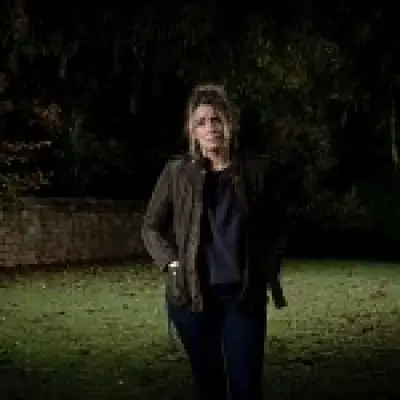
Velma Thomas, a 59-year-old mother of two from West Virginia, was declared clinically brain dead for 17 hours in 2008 after suffering a heart attack at home. Her heart stopped three times, and doctors at Charleston Area Medical Centre could no longer detect brain activity. Family and friends said their goodbyes as her skin hardened and her hands and toes curled. Her son Tim recalled: 'There was no life there.' She was kept on a ventilator because she was a registered organ donor, but when the ventilator was turned off, she moved her arm, coughed, and asked for her son. She lived another 15 years, passing away in 2025 at age 76.
What Is Lazarus Syndrome?
Lazarus Syndrome, also known as Lazarus phenomenon or autoresuscitation, is a medical event where a person's heart spontaneously restarts after they have been officially pronounced dead. The term references the biblical story of Lazarus of Bethany, whom Jesus raised from the dead after four days in a tomb. Dr Hugh Coyne, founder of Coyne Medical, explains that the condition is extremely rare, with around 70 known cases worldwide. He warns that more cases may go unreported due to 'legal and ethical sensitivities.'
How Does It Happen?
Dr Coyne, who has attended many resuscitation attempts but never witnessed Lazarus Syndrome firsthand, explains the scientific theories behind it. 'Generally, we do CPR when someone's heart stops beating. We do chest compressions and breathing support to try and help keep oxygen circulating. With Lazarus Syndrome, the heart restarts spontaneously afterwards, which seems extraordinary, but there are a few scientific reasons as to why it might happen.' These include changes in pressure in the chest, delayed effects of drugs like adrenaline, or shifts in potassium and acid balance in the blood. Because of this possibility, medics continue to monitor individuals after death. 'One of the key roles of a doctor is declaring a patient dead, which is one of the sadder things about the profession, but one we approach with great dignity and respect for the patient and thoughtfulness for the family,' Dr Coyne says.

Survival Rates and Risks
Even if a patient's heart restarts after declaration of death, their chance of survival is low. According to Dr Coyne, 'For people who have experienced Lazarus Syndrome overall survival is about 30% and only about 15% would have a normal neurological outcome, and as you'd expect, those would be people who are younger.' He emphasises that the resuscitation process is rigorous and monitored. For older patients with multiple medical conditions, prolonged attempts are not appropriate, but for younger patients with a good chance of survival, teams continue as long as needed.
Other Documented Cases
Several other cases of Lazarus Syndrome have been reported. In 2008, Judith Johnson was declared dead at a Delaware hospital after what she thought was indigestion; a morgue worker later found her breathing, and she recovered. In September 2020, 20-year-old Timesha Beauchamp was pronounced dead by paramedics in Detroit after a medical episode; she was found gasping at a funeral home but died weeks later. An 88-year-old Czech woman was discovered alive by morticians as she was being placed in a coffin. In Japan in 2002, a 65-year-old man moved in the mortuary 20 minutes after being pronounced dead. In Mexico, mourners at the funeral of three-year-old Camila Roxana Martinez Mendoza saw the glass lid of her coffin fog up and her eyes move, but first responders could not revive her.
Protocol After Death Declaration
Dr Coyne notes that strict protocols are followed after a patient is declared dead. 'Even after someone has been declared dead, nurses and doctors will still be attending to the patient, making sure that they are cared for with lots of dignity and respect. If there are drips in their arm, for example, those will be carefully taken out. People aren't just left there, we still have an obligation to care for the patients, even after they're deceased.'