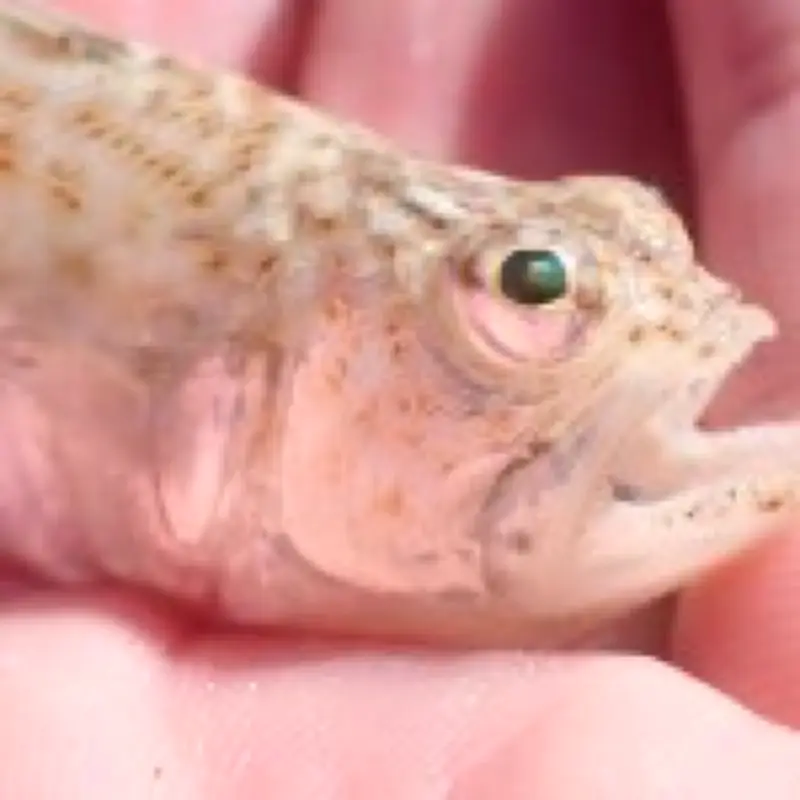
Beachgoers in the UK have been warned about the presence of venomous weever fish in shallow waters, whose sting has been described as 'excruciating' by experts. The warning comes as a heatwave warms coastal waters, increasing the fish's activity.
Weever fish: small but painful
Weever fish, scientifically known as Echiichthys vipera, are small but possess venomous spines on their dorsal fin. They bury themselves half in the sand, making them easy to step on. When stepped on, the spines inject a protein-based poison that causes intense pain. Matt Slater, a marine conservation officer from Cornwall Wildlife Trust, said: 'Because of the heatwaves warming the sea, we're seeing a huge number of weever fish around the coast already.' He added that while many gather in the warmer south-west seas in Cornwall, they can be found all around the UK, including the east and west coasts.
Heatwave drives weever fish numbers up
Slater noted that hundreds of weever fish are currently present at Newquay. 'If I go down with my net in the shallows, it'll be full of weevers after a few minutes,' he said. The fish's venom is potent, and despite their small size, even young ones deliver a nasty sting. Their main season runs from June to September. Slater explained that the fish do not sting intentionally; they hide in the sand to ambush prey like small shrimps. 'They don't want to be trodden on. Which is why they have these sharp spines,' he added.

Prevention and treatment
To avoid stings, experts recommend shuffling feet while walking in shallows to scare fish away, but this method is not always effective. Slater advises wearing old shoes or wetsuit boots when walking in shallows. 'Otherwise, just swim. Don't walk. You're more likely to find weever fish at low tide, rather than high tide. And they usually gather around rocky areas, too, where they can get stuck in the pools,' he said.
If stung, immediate treatment involves immersing the affected area in hot water. 'The poison is protein-based, so hot water breaks it down,' Slater explained. Pain typically subsides within 15 minutes. Lifeguards monitor for signs of anaphylaxis, though severe reactions are rare. Slater emphasized that weever fish are important to the marine ecosystem and not dangerous despite their painful sting.