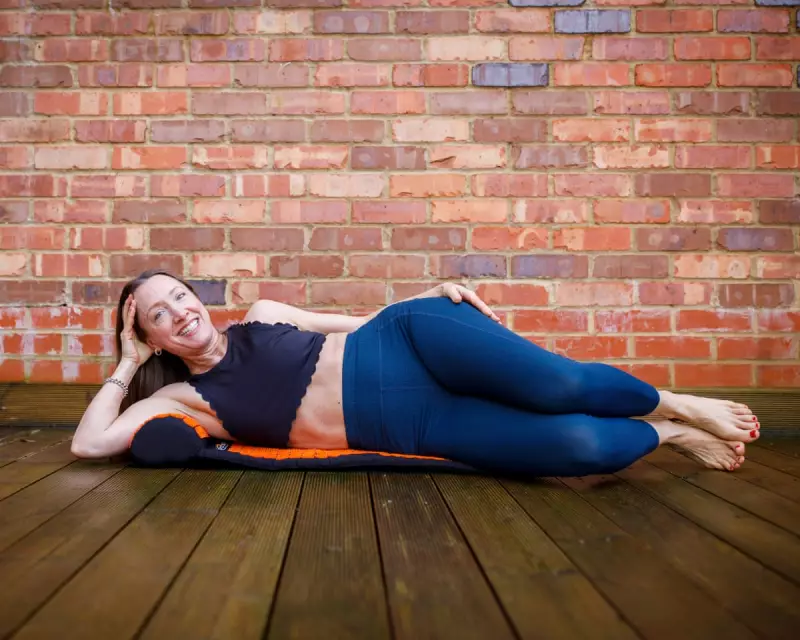
Acupressure Mats: Ancient Spiky Therapy for Modern Pain and Stress Relief?
In recent years, acupressure mats have surged in popularity as a modern wellness tool, drawing inspiration from ancient healing practices. These mats, often studded with tiny plastic spikes, promise relief from pain, stress, and insomnia, yet the scientific evidence remains sparse. Users like Keith, a 39-year-old from Kansas, share anecdotal success stories, but researchers caution that more rigorous studies are needed.
The Origins and Appeal of Acupressure Mats
Acupressure mats, also known as Shakti mats, trace their roots back over a thousand years to the beds of nails used by Indian gurus for meditation and healing. Today, they are marketed as luxury wellbeing products, with brands like Shakti Mat offering premium models for up to £99, while budget options are available on platforms like Amazon and even in stores like Lidl for as little as a tenner. Despite their nonthreatening appearance, the spikes are designed to stimulate acupressure points on the body, potentially aiding relaxation and pain relief.
Many users report positive effects, such as improved sleep and reduced stiffness. On online forums like the IsItBullshit subreddit, individuals describe feeling "relaxed AF" or using the mats as a "magic wand" for back and neck issues. However, most acknowledge that these benefits are based on personal experience rather than solid scientific backing.

The Science Behind the Spikes
Sahar Hooti, an acupuncturist and author, explains that the mats may stimulate acupuncture points, which are strategically placed on nerve pathways. This stimulation can trigger an injury response, prompting increased blood flow to the area, similar to a massage. Hooti advises using the mats for short periods, no more than five minutes at a time, to avoid overstimulation, especially for individuals with health conditions like pregnancy.
In 2023, a study led by Benjamin Schöne at the Norwegian University of Science and Technology attempted to measure the effects of acupressure mats. The research involved testing participants over three weeks for stress levels, heart rate, blood pressure, and pain tolerance. While subjective stress decreased and sleep quality improved slightly, no significant differences were found between those using acupressure mats and a control group using regular mats. Schöne notes that the mats may facilitate relaxation but are no more effective than simply lying down and resting.
Personal Experiences and Practical Advice
For those trying acupressure mats, the experience often involves an initial prickling sensation followed by warmth. Users like Amy Fleming describe a mild discomfort that can lead to a sense of tension and release, with visible skin indentations afterward. While some claim the mats stimulate endorphin release, this remains unproven.
Hooti suggests that selective acupressure, such as applying pressure to specific points on the body, might be more effective. She emphasises moderation, stating that short-term use can be beneficial for general wellbeing without severe health risks. Schöne adds that further research is needed, particularly involving individuals with specific health complaints like chronic pain or high blood pressure.
In conclusion, acupressure mats offer a unique approach to relaxation and pain management, blending ancient traditions with modern wellness trends. While anecdotal evidence abounds, scientific validation is limited, making them a curious but cautious option for those seeking alternative therapies.