Fatal Ceremony Involving Frog Toxin and Ayahuasca Under Police Scrutiny
In a remote Australian community, a tragic incident has unfolded, resulting in the death of a man following a shaman-led ceremony that incorporated frog toxin and ayahuasca. Authorities have launched a thorough investigation into the circumstances surrounding this event, which has raised significant concerns about the safety of such alternative spiritual practices.
Details of the Incident
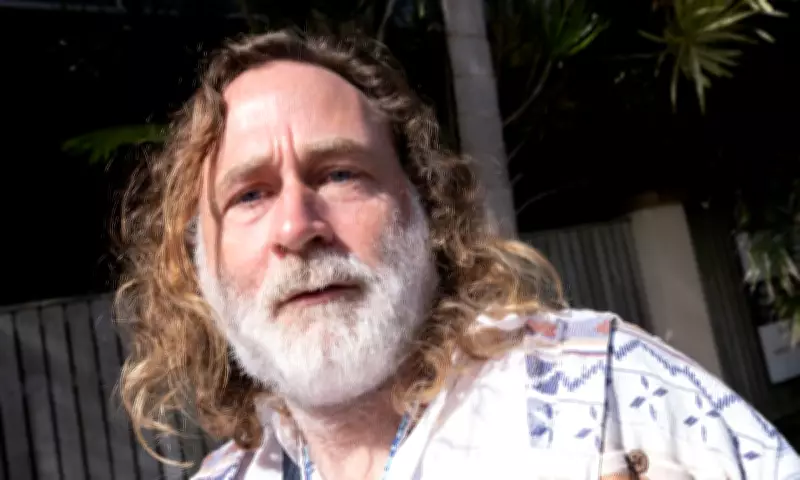
The ceremony, reportedly conducted by a shaman known locally as Soulore Solaris, took place in an isolated area, drawing participants seeking spiritual enlightenment through traditional and psychoactive substances. According to preliminary reports, the man, whose identity has not been disclosed, ingested a combination of frog toxin—often derived from species like the Colorado River toad—and ayahuasca, a brew made from Amazonian plants known for its hallucinogenic properties.
Witnesses described the ceremony as intense, with participants experiencing altered states of consciousness. However, the man's condition deteriorated rapidly, leading to a medical emergency. Despite efforts to provide aid, he succumbed to the effects, prompting immediate police involvement. The shaman, Soulore Solaris, is now a person of interest in the investigation, as authorities seek to determine if negligence or illegal activities contributed to the fatality.

Risks of Psychoactive Substances
This incident highlights the potential dangers associated with the use of unregulated psychoactive substances in ceremonial settings. Frog toxin, containing compounds like 5-MeO-DMT, can induce powerful and sometimes unpredictable physiological reactions, including increased heart rate and respiratory distress. Ayahuasca, while used traditionally in indigenous rituals, carries risks of adverse effects, especially when combined with other substances or in individuals with pre-existing health conditions.
Experts in toxicology and alternative medicine warn that such practices, when not conducted under strict medical supervision, can lead to severe health complications or fatalities. The lack of standardized protocols and oversight in remote or informal ceremonies exacerbates these risks, making incidents like this a growing concern for public health officials.
Community and Legal Implications
The death has sent shockwaves through the local community, where alternative spiritual practices have gained popularity in recent years. Residents express mixed emotions, with some defending the cultural significance of such ceremonies, while others call for stricter regulations to prevent future tragedies. Police are urging anyone with information to come forward, as they work to piece together the events leading up to the man's death.
Legal experts note that this case could set a precedent for how authorities handle similar incidents involving shamanic practices and psychoactive substances in Australia. Depending on the investigation's findings, charges related to manslaughter, drug offenses, or breaches of public safety laws may be pursued, underscoring the need for clearer guidelines in this gray area of law and spirituality.
Broader Context and Safety Measures
Globally, there has been a rise in interest in ayahuasca and other entheogens for therapeutic and spiritual purposes, often in settings outside traditional medical frameworks. This trend has sparked debates about balancing cultural respect with consumer protection. In response to this incident, health advocates are recommending increased public awareness campaigns on the risks of psychoactive substances and the importance of seeking certified practitioners for such ceremonies.
As the investigation continues, this case serves as a stark reminder of the fine line between exploration and endangerment in the realm of alternative spirituality. It calls for a collaborative approach among communities, health professionals, and law enforcement to ensure safety without stifling cultural expression.