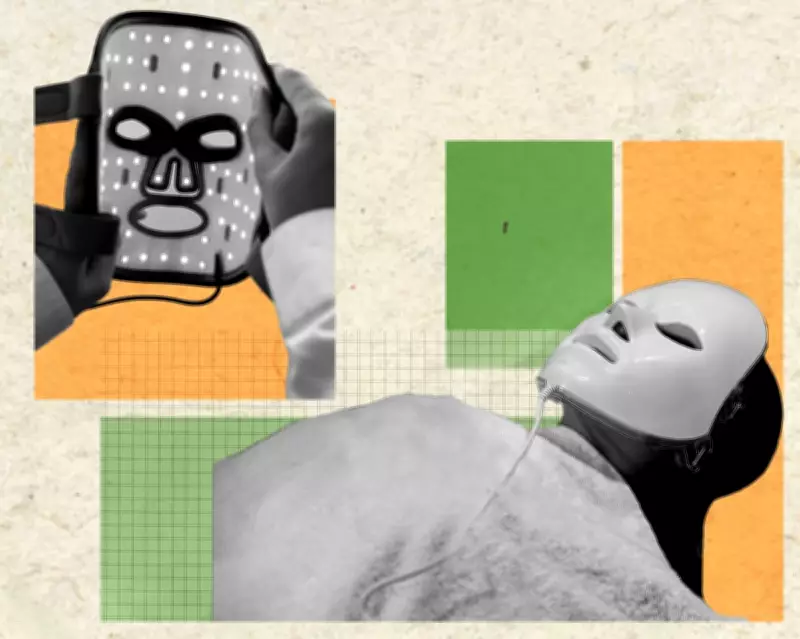
Red light therapy has surged in popularity on social media, with influencers touting its benefits for healing wounds, reducing pain, and diminishing wrinkles. However, according to Dr. Gideon Meyerowitz-Katz, an epidemiologist at the University of Wollongong, the scientific evidence behind these claims is far from convincing.
A Long History but Limited Proof
While red light therapy seems like a modern trend, discussions about its potential benefits date back to the 1990s. Despite decades of interest, the research landscape is riddled with small, poorly designed studies. Many trials are conducted by companies selling red light devices, using their own employees as control groups, or containing numerical errors.
Why the Evidence Is Weak
Several factors contribute to the lack of robust evidence. First, it is nearly impossible to blind participants to the treatment, as they can see whether the red light is on. Second, outcome measurements like wrinkle reduction are subjective and prone to bias. Third, there is no standardization for light wavelength, intensity, or session duration, making it difficult to compare studies.

Despite these issues, not all research is terrible. Some studies suggest potential benefits for acne scars or slow-healing wounds. However, the overall quality remains low, and no large, well-controlled trials have confirmed efficacy.
What Should You Do?
Dr. Meyerowitz-Katz advises caution. Without strong evidence, it is unclear if red light therapy works. For those willing to try it, the risk is mostly financial, and there is a chance of minor benefit. But he notes that a 10-minute walk outside might offer similar advantages. Ultimately, red light therapy is just light on skin—not a miracle cure.