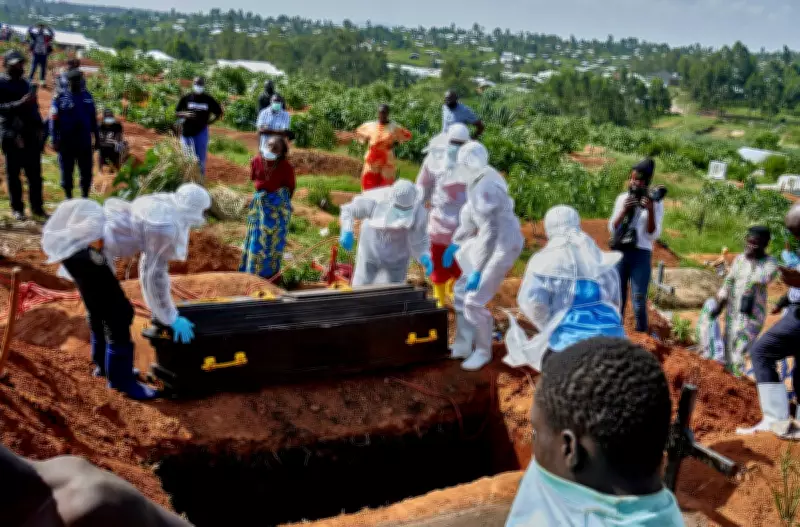
Congolese medical staff on the frontline of the Ebola outbreak are facing a severe crisis, with many doctors and nurses working under extreme conditions. The ongoing epidemic has placed immense strain on healthcare workers, who are grappling with a lack of protective equipment, inadequate training, and the constant threat of infection.
Challenges on the Ground
Healthcare professionals in the Democratic Republic of the Congo (DRC) are struggling to contain the virus amid widespread community mistrust and violence. Many medical workers have reported feeling abandoned by the international community, with insufficient support for their safety and mental health.
Shortage of Resources
Clinics and treatment centers are often understaffed and under-resourced. Doctors and nurses frequently work without proper protective gear, increasing their risk of contracting the disease. One nurse, speaking on condition of anonymity, described the situation as 'a battlefield where we are the first casualties.'

Community Mistrust
Misinformation and suspicion towards medical teams have led to attacks on healthcare facilities. In some areas, workers have been threatened or physically assaulted, further complicating containment efforts. This hostility stems from a lack of trust in authorities and foreign aid organizations.
International Response
While global health agencies have deployed teams to assist, local medical staff argue that more needs to be done. They call for better wages, psychological support, and enhanced security measures. The World Health Organization has acknowledged the challenges but stresses the importance of continued international collaboration.
Mental Health Toll
The psychological impact on frontline workers is profound. Many suffer from anxiety, depression, and burnout. Support services are scarce, and the stigma associated with the disease often isolates workers from their communities.
Way Forward
To effectively combat Ebola, experts emphasize the need to strengthen the local healthcare system. This includes investing in infrastructure, providing consistent training, and building trust within communities. Without addressing these systemic issues, the cycle of outbreaks will continue.
The resilience of Congolese medical workers is commendable, but they cannot fight this battle alone. Urgent action is required to ensure their safety and well-being as they save lives on the frontline.