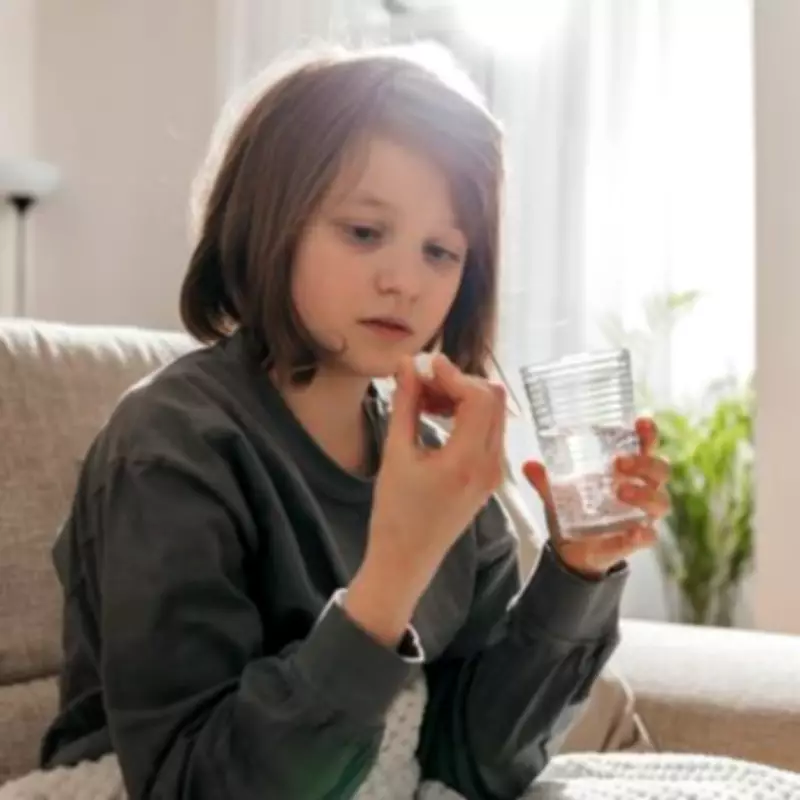
Groundbreaking research from Great Ormond Street Hospital (GOSH) experts is paving the way for children as young as four to receive tablets instead of liquid medicine, a move that could generate massive savings for the NHS while improving patient experience. New estimates indicate this simple switch could save the health service an astonishing £40,000 per patient each year, representing a potential financial revolution in pediatric care.
Substantial Cost Savings Revealed
The research focused specifically on children with congenital hyperinsulinism (CHI), a rare condition affecting approximately one in every 30,000 to 40,000 children that causes dangerously high insulin levels. These patients require regular treatment with diazoxide to stabilize their blood sugar levels, often needing multiple doses throughout the day depending on their insulin and glucose readings.
Until now, standard practice has involved administering diazoxide as a liquid medication, which carries a substantial price tag of £15.50 per 50mg dose. The tablet form of the same medication costs just £1.15 per 50mg – representing a staggering cost reduction of over 92.5 percent. When calculated across the multiple daily doses required by CHI patients, the annual savings per patient reach approximately £40,000.

Patient Preference for Tablets
In a pilot project involving 19 patients aged seven to thirteen, GOSH researchers discovered that children often preferred the taste of tablets over liquid medicine. The study carefully monitored participants to ensure their blood glucose levels remained stable throughout the transition while gathering feedback about how the medication format change affected their daily lives.
Eleven-year-old Jess Manktelow from Kent, who has lived with CHI since she was fifteen months old, participated in the trial and switched to diazoxide tablets in April 2025. "It has made a big difference taking medicine that doesn't taste horrible," she explained. "There were times where I didn't want to take it because of the taste. It makes things very easy for me now – I'm able to do it myself and it doesn't take up as much time at school or when I'm doing things I like."
Life-Changing Impact on Families
For families managing CHI, the switch from liquid to tablets represents more than just financial savings. Jess's mother, Steph Manktelow, described the profound impact: "We were so excited when the team told us we could switch to the diazoxide tablets. We'd been hoping for some time; we knew it was a better solution and would allow Jess to have control over her condition, and that is very important."
Previously, Jess's school and family life revolved around administering liquid diazoxide multiple times daily, requiring careful storage at room temperature in glass bottles and raising questions during travel. "I would always get a lot of questions about the medication when I would go away camping or at airports for holidays," Jess recalled. "It would always be hard to explain why I need it so much."
Expanding the Initiative
Building on the success of their initial research, GOSH experts now plan to assess whether children as young as four can safely transition from liquid medication to tablets. Kate Morgan, a GOSH clinical nurse specialist who co-led the project, expressed enthusiasm about the findings: "We knew the potential this trial had for savings, but the scale of the quality-of-life improvements for children and their families we are seeing is something we didn't anticipate."
Morgan emphasized the broader implications: "Children are so much more than their diagnoses – they have full lives and families, and their illnesses affect everyone. It is very important we do all we can to make simple, positive changes that impact everyone for the better."
This innovative approach demonstrates how relatively simple changes in medication administration can yield dramatic benefits both financially for the NHS and qualitatively for patients and their families. As GOSH expands its research to include younger children, the potential for widespread implementation across pediatric care grows increasingly promising.