NHS Cancer Screening Programmes: A Complete Guide to Available Tests and Eligibility
Ahead of World Cancer Day on February 4, Cancer Research UK's Dr Rachel Orritt has detailed the crucial NHS cancer screening services currently available across the United Kingdom. These essential health programmes are designed to detect cancers at their earliest possible stages, when treatment outcomes are most favourable and survival rates significantly improve.
Understanding NHS Cancer Screening Programmes
The National Health Service currently provides screening for several common cancers, including breast, bowel, cervical and lung cancer. These systematic programmes invite eligible individuals for regular checks, even when they display no symptoms whatsoever. Early detection remains the cornerstone of successful cancer treatment, making these screening initiatives vital components of the UK's healthcare strategy.
Available Screening Programmes and Eligibility Criteria
Breast Cancer Screening

The NHS breast screening programme offers mammograms every three years to individuals aged between 50 and 70. These specialised X-ray examinations can identify cancerous changes too small to detect through physical examination alone. "Breast screening helps to find cancer at an early stage, which is when treatment is more likely to be successful," emphasises Dr Orritt from Cancer Research UK.
Cervical Screening Programme
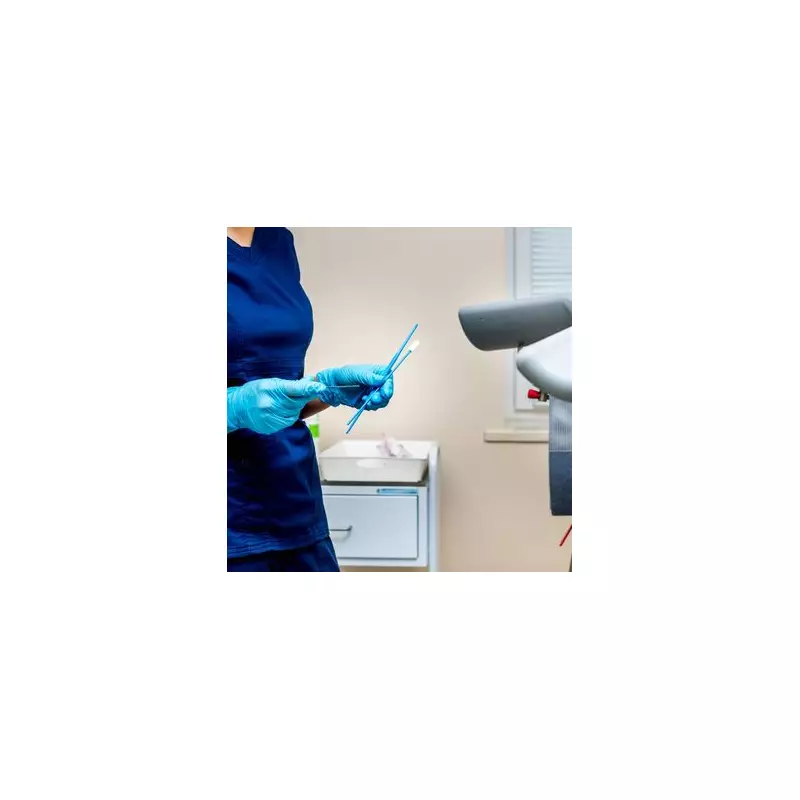
Anyone with a cervix between the ages of 25 and 64 in England, Wales and Scotland receives invitations for cervical screening every five years. This crucial test primarily checks for human papillomavirus (HPV), the virus responsible for nearly all cervical cancer cases. Early detection through this programme has dramatically reduced cervical cancer mortality rates across the UK.
Bowel Cancer Screening
Most UK residents aged 50 to 74 automatically receive faecal immunochemical test (FIT) kits every two years through the post. These simple at-home tests detect microscopic amounts of blood in stool samples that might indicate bowel cancer or pre-cancerous changes. "The aim of bowel screening is to help find cancer at an early stage and to also find any changes in the bowel that could lead to cancer," explains Dr Orritt.
Lung Cancer Screening
Currently available only in England for individuals aged 55 to 74 who currently smoke or have smoked previously, the lung screening programme uses low-dose CT scans to detect early signs of lung cancer. Wales has announced plans to introduce similar screening for those at higher risk, recognising the programme's potential to save lives through early intervention.
How to Access NHS Screening Programmes
Dr Orritt stresses the importance of being properly registered with a GP practice and ensuring your contact details remain current to receive screening invitations. "One of the main things that I think is really important to get across when we're talking about cancer screening, is that these programmes are for people without any symptoms," she highlights, distinguishing between routine screening and diagnostic testing.
For individuals experiencing potential cancer symptoms such as unexplained bleeding, persistent cough, lumps, or significant weight loss, immediate consultation with a GP is essential rather than waiting for scheduled screening appointments.
Additional Resources and Information
Those seeking more detailed information about specific screening eligibility can access the screeningchecker.com website for personalised guidance. The NHS continues to evaluate and expand its screening programmes based on emerging research and technological advancements in cancer detection.
Regular participation in appropriate screening programmes represents one of the most effective strategies for early cancer detection, potentially saving thousands of lives annually across the United Kingdom through timely intervention and treatment.