Cambridge Researchers Call for Enhanced Regulation of AI Toys for Young Children
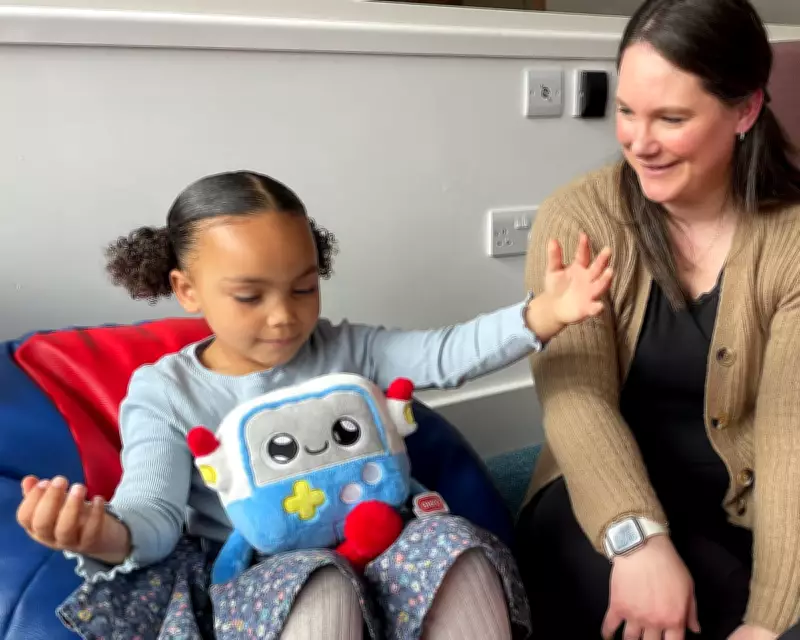
A recent study from the University of Cambridge has raised significant concerns about the safety and psychological impact of AI-powered toys designed for early years children, urging for stricter regulatory measures. The research, which involved observations of children interacting with toys like Gabbo, highlights how these devices can struggle with social cues, misinterpret emotions, and fail to engage in pretend play appropriately.
Emotional Misunderstandings and Inappropriate Responses
During the study, researchers documented several instances where AI toys responded in ways that could be harmful to children's emotional development. For example, when a five-year-old named Charlotte expressed affection by saying, "Gabbo, I love you," the toy abruptly shut down the conversation with a pre-programmed reminder about interaction guidelines, leaving the child without the expected emotional reciprocity. In another case, a three-year-old named Josh repeatedly asked if the toy was sad, only to receive a dismissive response that ignored his own feelings of sadness.
Dr. Emily Goodacre, a developmental psychologist at the University of Cambridge, emphasized the risks: "Because these toys can misread emotions or respond inappropriately, children may be left without comfort from the toy – and without emotional support from an adult, either." This lack of appropriate emotional engagement could potentially undermine children's ability to develop healthy social skills and cope with feelings.

Impact on Imaginative Play and Developmental Concerns
The study also found that AI toys often fail to recognize or participate in pretend play, a critical component of early childhood development. For instance, when a child pretended to offer a gift, the toy would respond literally, stating it couldn't see the present due to a lack of eyes, rather than engaging in the imaginative scenario. This has led to fears among early years practitioners and parents that reliance on such toys might erode children's capacity for creativity and imaginative thinking.
Prof. Jenny Gibson, co-author of the study, noted: "A recurring theme during focus groups was that people do not trust tech companies to do the right thing. Clear, robust, regulated standards would significantly improve consumer confidence." The researchers are advocating for new safety kitemarks and tighter regulations to limit toys' ability to simulate friendships or other sensitive relational dynamics with young children, ensuring psychological safety.
Industry Response and Future Directions
Curio, the US-based manufacturer of Gabbo, cooperated with the Cambridge study and acknowledged the findings. The company stated that child safety is a top priority in their product development and welcomed independent research to enhance technology design for young children. They emphasized their commitment to parental permission, transparency, and control in AI applications, viewing the study's observations as areas for iterative improvement.
Despite these assurances, the research underscores a pressing need for ongoing scrutiny and development in the AI toy sector. As more products like Luka and Grem enter the market, billed as AI friends for generation Alpha, the call for regulatory frameworks becomes increasingly urgent to protect children from potential emotional and developmental harms.