Navigating the world of baby toys can feel overwhelming for new parents, but choosing the right playthings during those crucial first twelve months can significantly support your little one's developmental journey. From sensory stimulation to motor skill development, the right toys make all the difference.
The Magic of Sensory Play: 0-3 Months
During the newborn stage, babies are discovering the world through their senses. High-contrast black and white toys capture their developing vision, while soft rattles and textured balls introduce them to new sounds and feelings. Consider soft, crinkly books and simple mobiles that encourage visual tracking and auditory discovery.
Reaching and Grasping: 4-6 Months
As babies begin to develop better head control and hand-eye coordination, they become fascinated with reaching and grabbing. Soft blocks, easy-grasp rattles, and activity gyms become invaluable during this period. Look for toys that reward their efforts with gentle sounds or movements, building cause-and-effect understanding.

Sitting and Exploring: 7-9 Months
When babies start sitting independently, a whole new world of play opens up. Stacking cups, bath toys, and soft balls encourage interaction and experimentation. This is the perfect time to introduce simple shape sorters and toys that promote problem-solving skills through safe, guided play.
Movement and Mastery: 10-12 Months
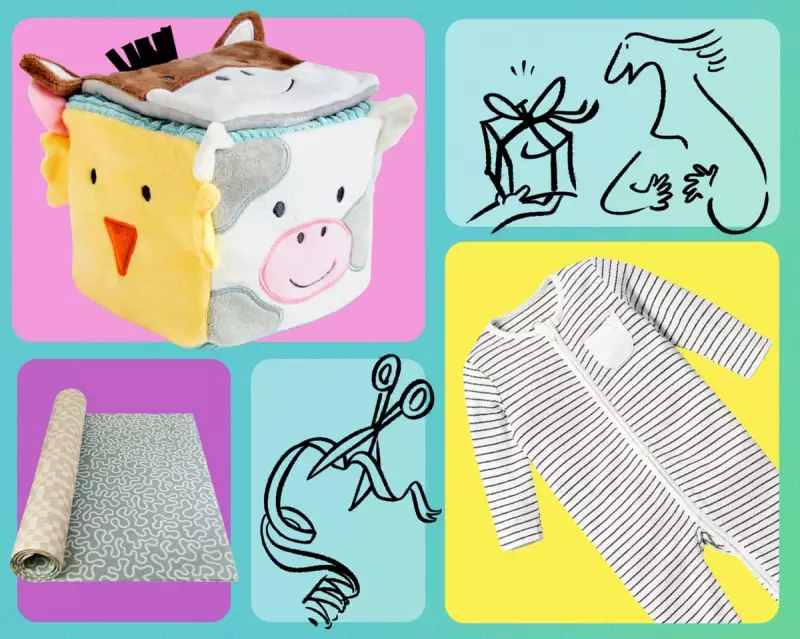
As your baby approaches their first birthday, they're likely becoming more mobile and curious. Push-and-pull toys support those first walking attempts, while nesting toys and simple puzzles challenge their growing cognitive abilities. Activity cubes and busy boards provide endless entertainment while developing fine motor skills.
What Makes a Toy Truly Educational?
The best developmental toys share common characteristics: they're safe, age-appropriate, and designed to grow with your child. They encourage interaction rather than passive observation and support multiple areas of development simultaneously. Most importantly, they make learning feel like play.
Beyond the Toy Box: Creating Rich Play Experiences
Remember that the best playthings don't always come from a store. Everyday household items, when used safely under supervision, can provide wonderful learning opportunities. The key is variety – rotating toys and introducing new challenges keeps your baby engaged and curious about their expanding world.