UK Government Sets Strict Screen Time Guidelines for Young Children
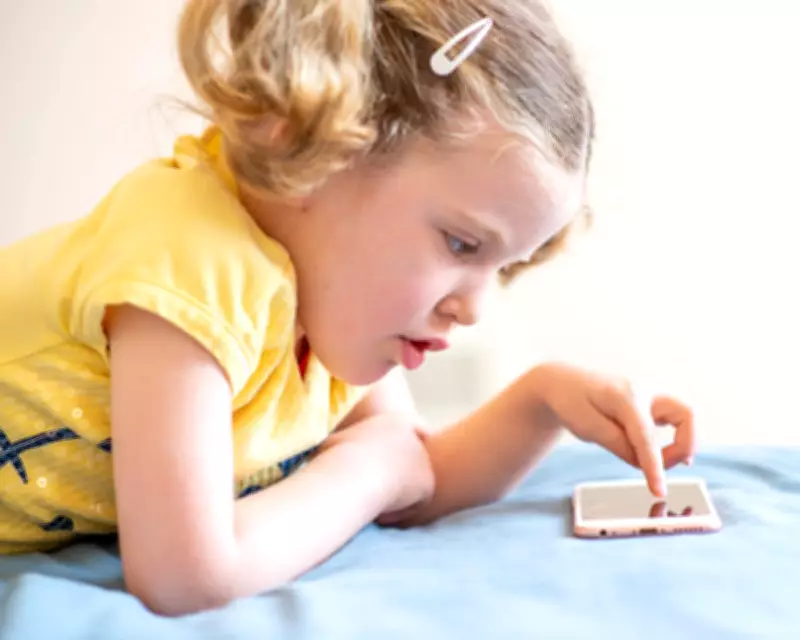
The UK government has released new guidance recommending that children under five should have no more than one hour of screen time per day, with Prime Minister Keir Starmer vowing to assist parents in navigating the challenges of digital parenting. This advice aims to foster healthier habits and ensure children's development is not hindered by excessive screen use.
Detailed Recommendations for Different Age Groups
For children under two, screen time should be avoided except during shared activities that promote interaction, such as video calls with family or looking at photos together. The guidance emphasizes that solo screen exposure at this age can negatively impact language development and cognitive growth.
Families with children aged two to five are advised to limit screen time to a maximum of one hour daily, with less being preferable. The recommendations specifically caution against fast-paced social media-style videos and AI-powered toys, which may overstimulate young minds.

Creating Screen-Free Environments
The guidelines advocate for screen-free zones during critical times like bedtimes and mealtimes. Instead, parents are encouraged to engage children with alternatives such as background music, table games, bedtime stories, and coloring activities. These interactions are crucial for enhancing cognitive development and family bonding.
Shared screen activities, where parents watch and discuss content with their children, are highlighted as beneficial. This approach helps mitigate the risks associated with passive screen consumption and supports better learning outcomes.
Background and Development of the Guidance
The new advice was developed by a panel led by Children's Commissioner Dame Rachel de Souza and children's health expert Professor Russell Viner. Their review found that excessive solo screen time can harm sleep, physical activity, creative play, and parent-child interactions, all essential for healthy development.
Professor Viner noted, "Too much solo screen time can crowd out the things that make the biggest difference – sleep, play, physical activity, and talking with parents and carers." The panel also recommended that parents reflect on their own screen use and establish screen-free periods for the entire family.
Considerations for Special Needs and Future Measures
The guidance acknowledges exceptions for children with special educational needs and disabilities who rely on screen-based assistive technologies, advising that limits should not be uniformly applied in these cases.
Additionally, the government is exploring Australia-style measures to potentially restrict or ban social media for under-16s, reflecting broader concerns about online safety. This move aligns with efforts to protect the next generation from digital risks.
Impact and Parental Support
With about 98% of children in the UK using screens daily by age two, the new guidelines aim to address widespread concerns over digital exposure. Prime Minister Starmer emphasized, "Parenting in a digital world can feel relentless. Screens are everywhere, and the advice is often conflicting. My government will not leave parents to face this battle alone."
He added that while some may oppose these measures, his administration will always support parents striving to do their best for their children. The guidance is expected to help families build healthier relationships with technology, ensuring children are better prepared for school and overall well-being.