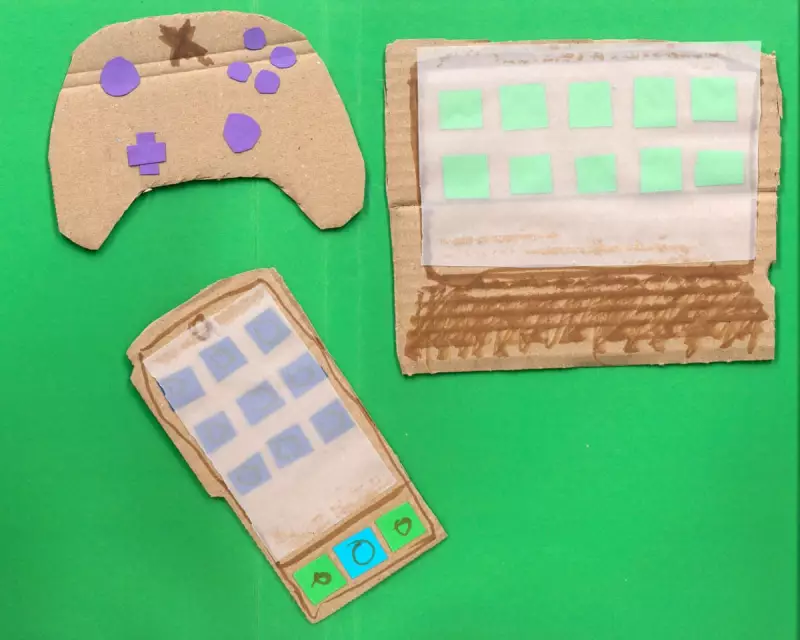
The Hidden Cost of Screen Time for Toddlers: A Threat to Human Development
In an era dominated by digital devices, a growing body of research is sounding the alarm over the profound effects of screen time on toddlers, with experts cautioning that we risk losing a fundamental aspect of what it means to be human. As screens become ubiquitous in daily life, from smartphones to tablets, the implications for young children's development are increasingly under scrutiny, prompting calls for a reevaluation of digital habits in early childhood.
Understanding the Developmental Risks
Studies indicate that excessive screen exposure during the critical toddler years, typically ages one to three, can interfere with key developmental milestones. This period is crucial for brain growth, language acquisition, and social-emotional learning, all of which may be compromised by prolonged engagement with screens. Researchers highlight that passive consumption of digital content often replaces interactive play and face-to-face communication, essential for building empathy, problem-solving skills, and emotional regulation.
Key concerns include:

- Delayed language development due to reduced verbal interaction.
- Impaired social skills as screen time limits opportunities for real-world play.
- Increased risk of attention issues and behavioural problems.
- Potential impacts on sleep patterns and physical activity levels.
The Broader Societal Implications
Beyond individual development, the rise in toddler screen time reflects broader societal shifts towards digital dependency. Experts argue that this trend could lead to a generation less equipped for nuanced human interactions, potentially affecting community bonds and cultural practices. The loss of traditional activities, such as storytelling or outdoor exploration, may diminish creativity and resilience, core components of human identity.
As one child psychologist noted, "We are witnessing a subtle erosion of the very skills that define our humanity—empathy, curiosity, and connection. If toddlers spend more time with screens than with people, we risk raising a generation that struggles to relate authentically."
Practical Steps for Parents and Caregivers
To mitigate these risks, health professionals recommend adopting balanced approaches to screen use. Guidelines suggest limiting screen time for toddlers to under one hour per day of high-quality, educational content, with an emphasis on co-viewing to foster discussion. Encouraging alternative activities, such as reading, imaginative play, and nature engagement, can help preserve essential human experiences.
- Set clear boundaries and create screen-free zones in the home.
- Prioritise interactive play and family conversations over passive viewing.
- Model healthy digital habits by reducing personal screen use around children.
- Seek support from community resources, such as parenting groups or early years services.
In conclusion, while technology offers educational benefits, the unchecked screen time for toddlers poses significant risks to their development and our collective human fabric. By fostering awareness and proactive measures, we can strive to balance digital innovation with the timeless values of human connection.