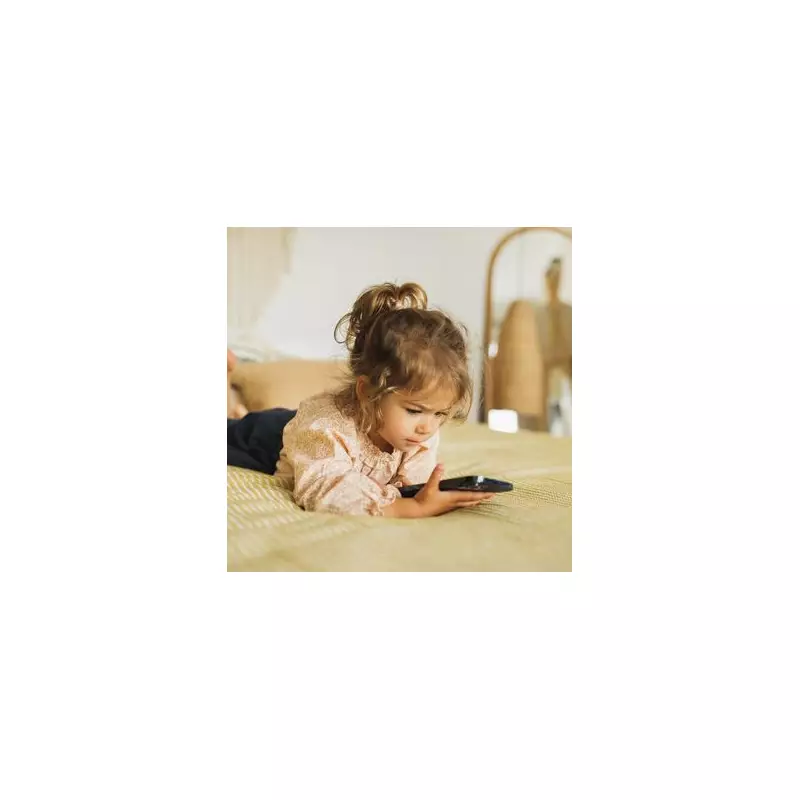
The UK government is set to publish its first official guidance for parents on how much time children under five should spend in front of screens. The move, announced by Education Secretary Bridget Phillipson, comes in response to concerns over the impact of daily screen exposure on early development.
Alarming Statistics Prompt Action
Research indicates that approximately 98% of children are using screens daily by the age of two. This period is critical for language acquisition, and emerging evidence suggests a correlation between high screen use and developmental delays. Ms Phillipson, writing in the Sunday Times, acknowledged the common parental struggle, stating: "Like so many parents, I've had evenings where you give in when your little one wants 'just one more' episode of their favourite show. But we're beginning to see the risks when 'just one more' starts to add up."
She highlighted reports from parents, teachers, and nursery staff who note that some young children are finding it harder to hold conversations, concentrate, or engage in learning activities when they start nursery or school.

Research Underpins New Guidelines
Fresh government analysis has provided concrete data to support these concerns. It found that higher screen use for toddlers under two is linked to poorer language development. The study revealed a stark contrast: children with the highest screen time—around five hours a day—could say significantly fewer words than their peers who watched screens for a much shorter duration, approximately 44 minutes daily.
Ms Phillipson emphasised that screens "are not going anywhere," but stressed the need to use them constructively. She suggested shared activities like reading a story on a tablet or using educational games, rather than passive viewing. The forthcoming guidance will also focus on providing parents with practical alternatives to screen time.
A Collaborative Approach Shaped by Parents
The guidance, scheduled for release in April, will be developed by a national working group. This group will be led by Children's Commissioner for England Dame Rachel de Souza and the Department for Education's scientific adviser Professor Russell Viner. The terms of reference for this panel will be published imminently.
Critically, the Education Secretary insists this will not be a top-down diktat. "I want this to be shaped with parents, not dictated to them," Ms Phillipson stated. The process will involve engagement sessions with parents, children, and early years practitioners over the coming weeks to determine what the guidance should include.
"This is about offering clear, practical advice on how screens fit alongside the everyday activities that matter most in the early years, including talking, playing and reading together," she added, framing the guidance as a supportive tool for modern parenting.