Toddler Injured by Wolf at Pennsylvania Zoo While Parents Were Distracted by Phones
A shocking incident at a Pennsylvania zoo has highlighted critical issues of child supervision and zoo safety protocols. A 17-month-old toddler was injured after climbing into a restricted area near a wolf exhibit while the child's parents were allegedly distracted by their cellphones, according to police reports.
Details of the Disturbing Incident
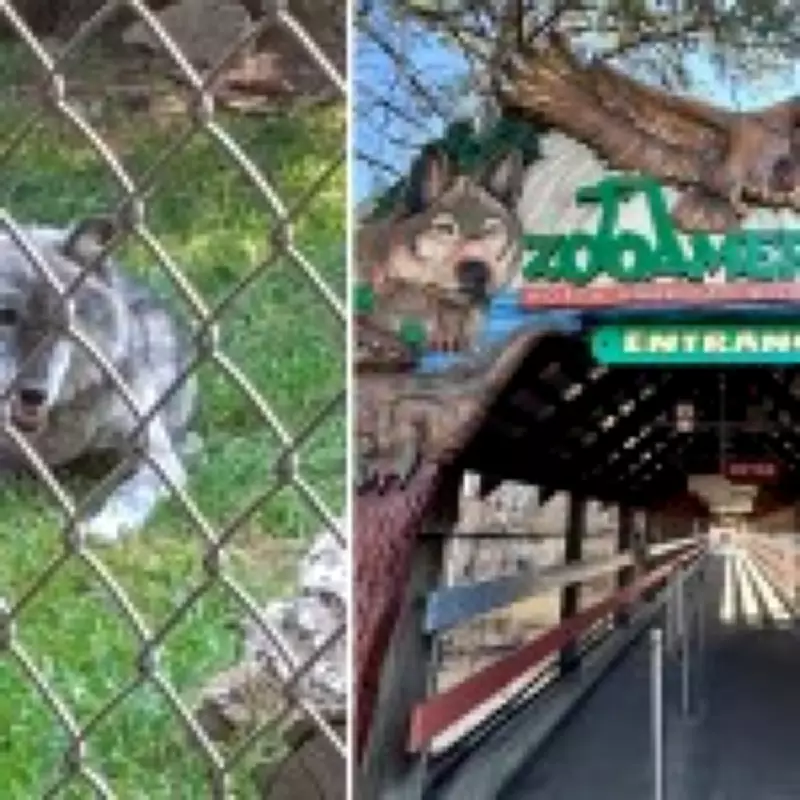
The incident occurred at ZooAmerica in Hersheypark, Pennsylvania, approximately 95 miles west of Philadelphia. The young child managed to squeeze through a small opening in a wooden barrier and entered a restricted zone adjacent to the wolf habitat. Police from the Derry Township Police Department confirmed that the child then placed their hand through metal fencing, at which point one of the wolves in the enclosure grabbed the toddler's hand with its mouth.
Several quick-thinking zoo visitors rushed to pull the child away from the predator, preventing potentially more serious injuries. Law enforcement officials described the wolf's action as "instinctive and natural" behavior rather than aggression. The zoo later confirmed that the child was never inside the actual wolf enclosure, and injuries were described as minor.

Parents Face Criminal Charges
The parents, identified as 43-year-old Carrie B. Sortor and 61-year-old Stephen J. B. Wilson from Lititz, Pennsylvania, have been charged with one count each of misdemeanor endangering the welfare of children. Police reports indicate the couple had walked approximately 25 to 30 feet away from their child to a bench area and appeared to be focused on their mobile devices when the incident occurred.
This case raises significant questions about parental responsibility in public spaces, particularly in environments with potential dangers. The criminal charges underscore the legal consequences that can result from inadequate supervision of young children in such settings.
Zoo Safety Protocols and Response
ZooAmerica issued a statement emphasizing that visitor safety and animal welfare are their highest priorities. The zoo noted that their habitats are designed with multiple layers of protection, including clear signage and barriers intended to ensure safe viewing. However, they stressed that visitors must remain within designated areas and closely supervise children at all times.
The zoo conducted a review following the incident and confirmed that all safety barriers functioned as designed. They reiterated that the wolf's response was consistent with natural animal behavior when encountering unexpected stimuli near their habitat.
About ZooAmerica and Its Wolf Pack
ZooAmerica covers approximately 100 acres and houses more than 200 animals native to North America. The facility is part of Hersheypark, a family amusement park featuring over 70 rides and attractions plus a water park. According to the zoo's website, their wolf exhibit contains three gray wolves: one male named Twister, born in 2015, and two sisters named Hazel and Freya, born four years later.
The zoo notes that these wolves can be difficult for visitors to spot due to their natural camouflage, sometimes being mistaken for rocks. Gray wolves are carnivores whose natural diet includes larger animals like elk, deer, bison, moose, and caribou, as well as smaller prey such as beavers and rabbits.
Broader Implications for Public Safety
This incident serves as a stark reminder of the importance of constant vigilance when supervising young children in environments with potential hazards. While zoos implement multiple safety measures, including physical barriers and warning signs, ultimate responsibility rests with parents and guardians to ensure children remain within safe viewing areas.
The case also highlights how modern distractions, particularly mobile devices, can compromise situational awareness in potentially dangerous settings. As zoos and similar attractions continue to balance visitor access with animal welfare and safety, incidents like this prompt important conversations about shared responsibility between institutions and visitors.