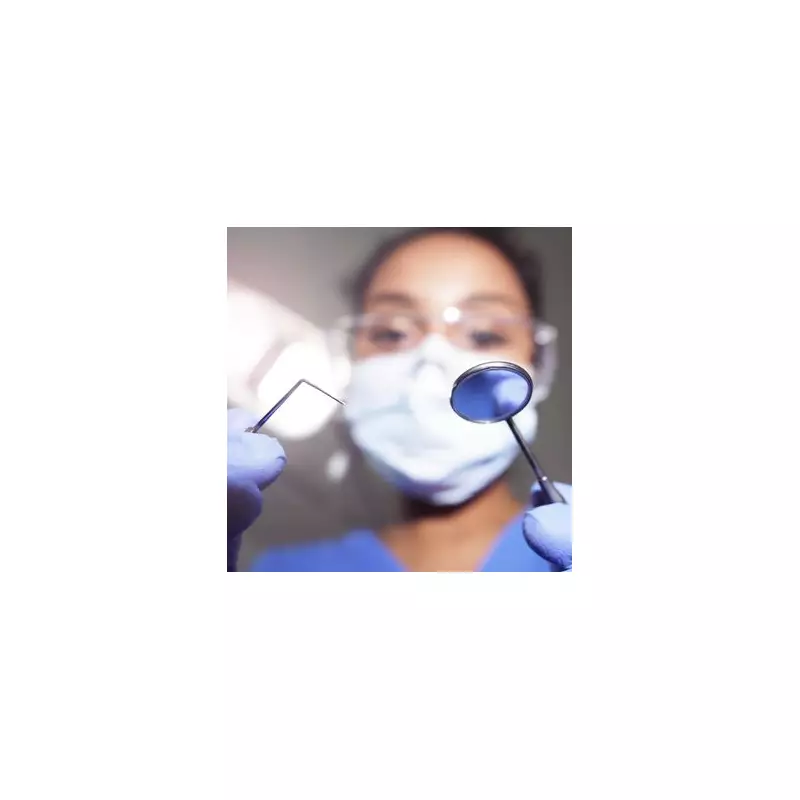
A new dental surgery offering free treatment could soon open in East London, providing vital care for more than 5,200 residents in an area described as having some of the worst oral health in the country.
The proposed facility, a training practice led by Queen Mary University, is planned for Barking town centre. Its future hinges on a decision by Barking and Dagenham Council, which is set to vote on funding and a lease agreement at a cabinet meeting on Tuesday, 11th November.
Addressing a Dental Health Crisis
The initiative is a direct response to a severe shortage of accessible NHS dental care. In its funding application, Queen Mary University stated that dental disease and access to care in Barking and Dagenham are among the worst in the country.

The new surgery aims to bridge this gap by offering primary and urgent dental care free at the point of use. It will prioritise the most vulnerable local residents, including people from migrant communities, those experiencing homelessness, looked-after children, ex-offenders, and the digitally excluded.
How the New Dental Surgery Will Work
If approved, the surgery will be located on the ninth and tenth floors of Maritime House on Linton Road, a building owned by the council. The facility will serve a dual purpose: training the next generation of dentists while serving the community.
Each year, 130 dental students will gain practical experience, while providing 5,200 patients with year-round appointments. The council is poised to award £4.1 million to the university to fit out the surgery, with the money coming from contributions made by property developers.
Broader Context and Building Repairs
The plan for the dental surgery is intertwined with the council's broader challenges regarding Maritime House. The council purchased the building for £19 million in 2022, but it is currently more than 50% empty, resulting in an annual loss of £661,000.
Furthermore, extensive external repairs are needed. The council initially budgeted £550,000 for this work, but more detailed inspections have revealed a much larger problem. The council is now set to borrow £4.6 million to fund the refurbishment. Crucially, the lease to Queen Mary University is dependent on these essential repairs being carried out.
The cabinet's decision next week will therefore be critical, not only for improving the borough's dire dental health statistics but also for the future of a key council-owned asset.