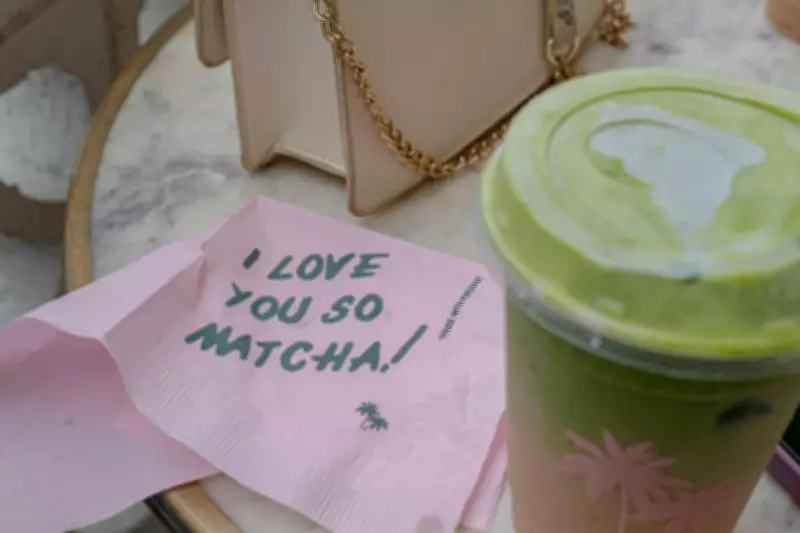
Dentist Issues Warning on Sugar Levels in Trendy Matcha Lattes
In a surprising revelation, a dental expert has highlighted that the widely popular matcha lattes, often celebrated as a healthier alternative to coffee, can contain sugar amounts comparable to a Mars bar. This finding raises concerns about the impact on oral health, particularly for Gen Z consumers who have embraced this beverage as part of wellness culture.
The Hidden Sugar in Modern Matcha Drinks
According to Mariana Gyosheva, a GDC-registered dentist at Harley Teeth Whitening, the issue lies not with matcha itself but with how it is commonly prepared in cafes and chains. Pure matcha, made with high-quality powder and water, is rich in antioxidants and poses no harm to teeth. However, many commercial versions are loaded with sugars, syrups, acidic milk alternatives, and sometimes artificial colorants, transforming a potentially healthy drink into a sugary treat.
Analysis of nutritional data from major UK coffee chains reveals alarming sugar levels. A typical medium matcha latte, around 350 ml, contains between 12 and 15 grams of sugar before any syrups are added. When a single portion of vanilla syrup is included, this can skyrocket to 22-25 grams per drink. For context, this is similar to the sugar found in a Mars bar (24g) or a slice of Victoria sponge cake (approximately 22g), and not far from a can of fizzy drink (35g).

Dental Risks and Enamel Damage
The consumption habits associated with matcha lattes exacerbate the problem. These drinks are often sipped slowly over 20 to 40 minutes, prolonging the exposure of teeth to sugar and acid. This continuous acid attack prevents enamel from re-hardening naturally, leading to gradual softening. Over time, this can result in increased sensitivity, more noticeable staining, and a duller or yellower appearance of teeth.
Gyosheva emphasizes that compromised enamel can also affect cosmetic dental treatments, such as professional whitening. "Whitening treatments work best on healthy enamel," she explains. "If enamel is already worn down, results may be less visible and sensitivity more likely. While whitening can enhance a smile, it cannot repair underlying enamel damage."
Quality Concerns and Staining Issues
Another factor contributing to dental problems is the quality of matcha used in some commercial drinks. Lower-grade powders may rely on artificial dyes to achieve their vibrant green color. When enamel is softened by acid exposure, it becomes more porous and prone to absorbing these pigments, leading to easier staining from colorants, coffee, or even the matcha itself.
Practical Tips for Safer Consumption
Despite these concerns, Gyosheva stresses that matcha is not inherently bad for oral health; the risk comes from the frequency and method of consumption. For those unwilling to give up their daily matcha ritual, she offers dentist-approved advice to minimize damage:
- Use a straw to reduce direct contact with teeth.
- Rinse with water after drinking to neutralize acids, but wait at least 30–60 minutes before brushing.
- Ask baristas about sugar content or opt for unsweetened versions.
- Choose higher-quality, ceremonial-grade matcha when making it at home.
- Avoid sipping slowly over several hours to limit prolonged acid exposure.
As matcha continues to dominate cafe culture and social media trends, dentists urge consumers to take a more informed approach. The key message is not to abandon matcha altogether but to be mindful of what is in the cup. By making small, informed choices, individuals can help protect their teeth in the long run, ensuring that wellness trends do not compromise lifelong dental health.