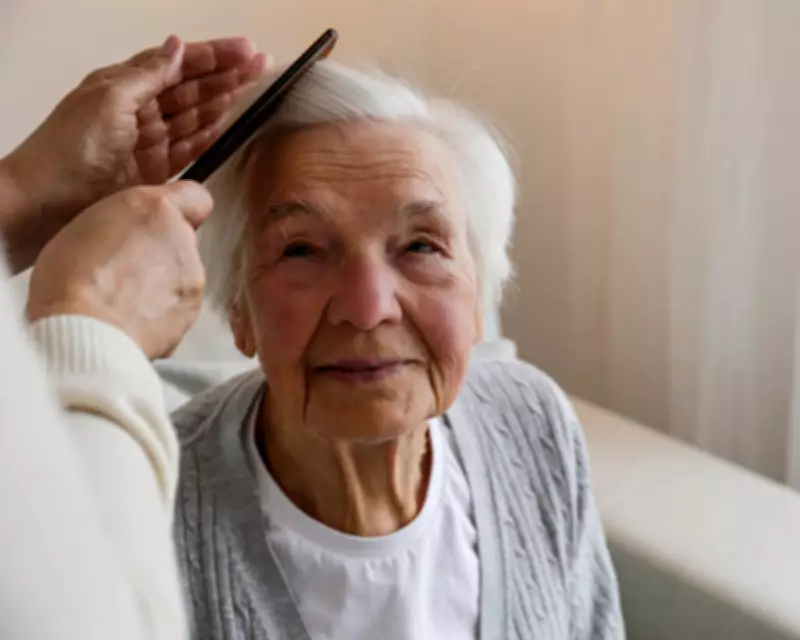
The Emotional Toll of Caring for Unloving Relatives
Stephanie Woods has rightly highlighted the immense difficulty of caring for ageing parents who did not provide care during one's childhood. While some individuals find it a privilege to look after someone with whom they share a loving relationship, many others feel trapped by a profound sense of duty or societal expectations. This burden is particularly heavy when caring for someone they are not close to or who does not value them.
Urgent Need for Social Care Reform
Changes to how social care support is funded and delivered cannot come soon enough for those who feel they have no choice but to provide care. The reality is stark: if unpaid family carers were to stop offering daily practical and emotional support to people living with dementia, the system would descend into chaos. There are simply not enough professional home-based carers, care home places, or hospital beds to manage the consequences of thousands of vulnerable individuals being left alone and at risk in their own homes.
As a result, carers continue to provide care, even when they feel they cannot keep going and even when their emotions are complex and conflicted. Every family carer should have the right to decide whether they want to care for someone, and society should make it easier for people to choose what they do and how much support they provide. However, without sufficient funding, resources, and care professionals, this ideal remains a distant reality.

Personal Insights from Experienced Carers
Frances Lawrence, CEO of Dementia Carers Count, emphasizes the critical need for systemic change. Meanwhile, personal accounts from carers like Katheryne Schulz, an orphan who cared for her grandfather for four years and her autistic uncle for 24 years, offer practical advice. Schulz learned through experience that bringing relatives into one's home is not an act of kindness but can make the carer feel like a prisoner.
She recommends alternatives such as visiting relatives, arranging additional caregivers, advocating for quality care, or finding better housing options. This approach allows paid professionals to handle daily tasks like food preparation, laundry, cleaning, and showering, freeing the carer to focus on advocacy and maintaining their own freedom.
Setting Boundaries and Challenging Norms
Schulz also stresses the importance of setting boundaries: carers should never accept abuse or cruelty and should feel empowered to leave if such situations arise. Additionally, she challenges the gendered expectation that women must be the primary caregivers, urging that men who do not step up should not receive the carer's time and energy. There is a significant difference between caregiving and self-flagellation, and carers must prioritize their own well-being.
The broader issues of ageing, family dynamics, parents and parenting, social care, Alzheimer's, and health are all interconnected, underscoring the need for a more supportive and equitable care system. As the population ages, these challenges will only become more pressing, making it imperative to address the emotional and practical burdens faced by family carers today.