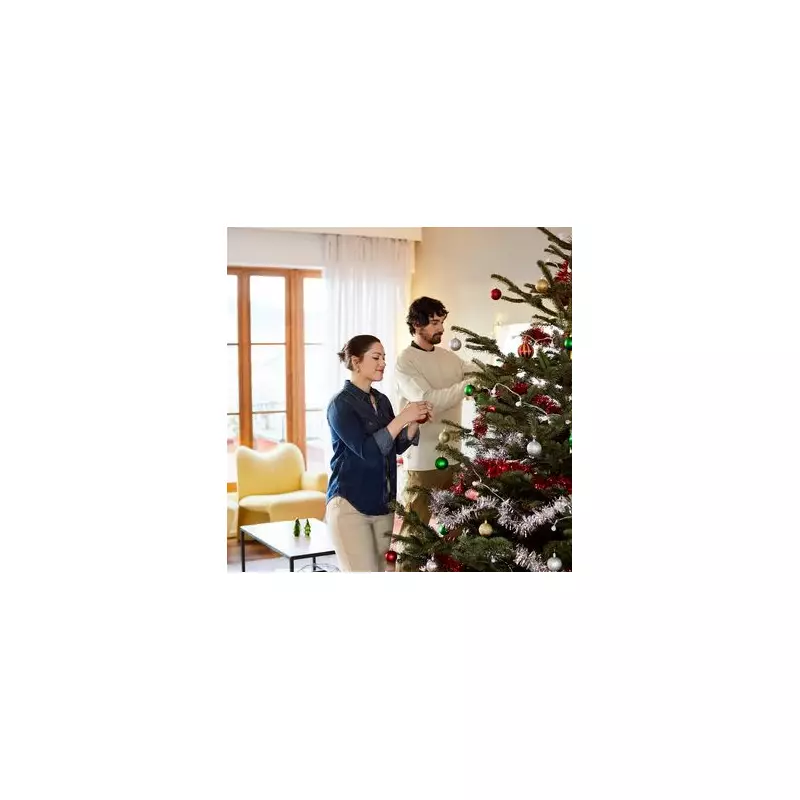
The festive season, while a time of joy for many, can present significant challenges for autistic individuals. The National Autistic Society (NAS) has issued expert guidance to help families and individuals navigate the Christmas period with less anxiety and more enjoyment.
Strategic Planning is Key
According to the charity, the cornerstone of a successful celebration is thoughtful preparation. The NAS advises autistic people and their families to proactively consider which aspects of Christmas they genuinely enjoy and which they might find overwhelming. There is no obligation to participate in activities simply due to tradition or external pressure.
Creating and sharing a clear schedule with family, friends, and any support services can provide much-needed predictability. Visual tools like lists, calendars, and social stories are highly recommended to outline what will happen, when, and who will be present.

The environment itself is also crucial. Experts suggest designating a quiet, Christmas-free space at home where individuals can retreat for a sensory break. Additionally, it is wise to audit festive decorations, removing items like strongly scented candles or flashing lights that could cause sensory distress.
Navigating Gift-Giving and Presents
The tradition of exchanging gifts can be a major source of anxiety due to the element of surprise, social expectations around reactions, and the sheer volume of presents. The NAS stresses the importance of clear communication about preferences.
Creating a wish list of desired items and sharing it can remove uncertainty. It is also helpful to specify whether gifts should be wrapped or not. One parent who uses the charity's services reported a much calmer Christmas Day after allowing her son to choose and inspect his main present beforehand, eliminating the stress of an unknown gift.
Financial planning is another vital component. Setting a firm budget for gifts helps prevent the pressure of overspending, ensuring the focus remains on comfort rather than cost.
Maintaining Routine and Managing Activities
For many autistic people, a predictable routine is essential for wellbeing. Where possible, sticking to familiar daily schedules, even on Christmas Day, can provide a stable foundation. New or festive activities can then be introduced gradually at a manageable pace.
If plans inevitably change, the NAS recommends formulating a new, clear plan to help cope with the adjustment. Sharing this strategy with others enables them to offer better support if someone becomes overwhelmed by the festivities.
Ultimately, the charity's advice centres on flexibility and personalisation, encouraging families to reshape traditions to suit neurodivergent needs, ensuring Christmas is a happier and less stressful time for all.