People living with motor neurone disease (MND) in England are spending their final months in unsafe homes, with many dying before receiving crucial government grants for essential adaptations, a leading charity has warned.
Devastating Delays for Terminal Patients
The MND Association has uncovered that it now takes an average of 375 days for people in England to get vital home modifications through the Disabled Facilities Grant (DFG). This staggering delay is catastrophic for a condition where a third of people die within a year of diagnosis, and half within two years.
"For someone whose condition may progress dramatically in a matter of months, waiting a year or more for vital adaptations is equivalent to being denied them altogether," said Tanya Curry, the charity's chief executive.

A Personal Tragedy: Nicole Foster's Story
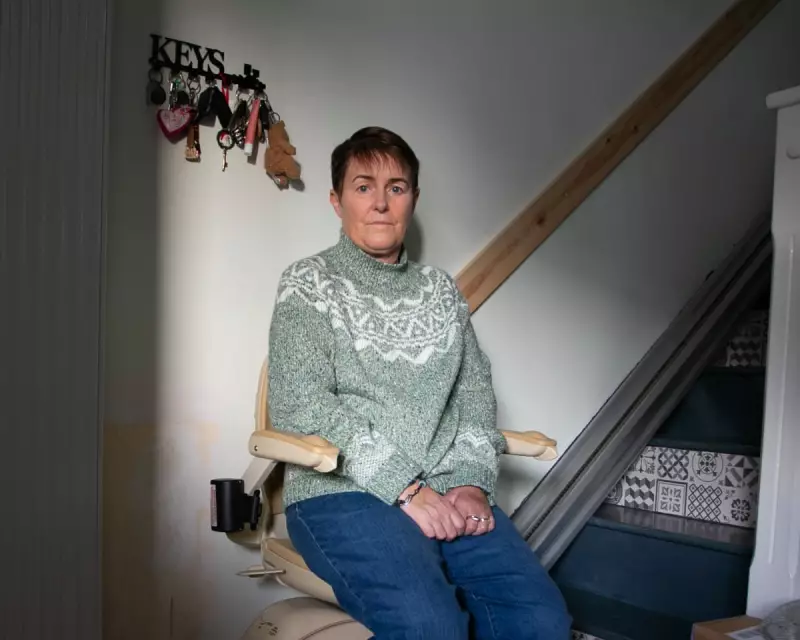
The human cost of these delays is starkly illustrated by Nicole Foster, a 56-year-old diagnosed with MND in May. Faced with an estimated two to three-year wait for DFG funding, she was forced to spend her entire life savings, plus money raised by friends, to install an accessible bathroom.
"I said I can't wait that long, I'll be dead in two to three years. All I got from the council was an extra handrail on the stairs," Foster stated. She added that she should have been using her funds to create memories with her family in her remaining time.
Needing a through-floor lift but confronted by another lengthy wait, Foster paid for a stairlift instead, an option she could barely afford. She has suffered multiple falls at home, a primary reason her husband had to give up work to become her full-time carer.
A System in Crisis and Calls for Reform
Administered by local councils and funded centrally, the DFG is meant to pay for adaptations like stairlifts, ramps, and door widening. For MND patients, whose mobility can deteriorate rapidly, these changes are not a luxury but a necessity for basic safety and dignity.
Alex Massey, head of campaigning at the MND Association, said the current timeline is "totally unworkable and unacceptable," leaving people "effectively trapped." The charity's investigation, using Freedom of Information requests, found average waits of 357 days in Northern Ireland and 289 days in Wales.
The charity is urgently calling for two key changes from the government:
- A formal fast-track process for people with rapidly progressive conditions like MND.
- The waiving of the means test for such terminal illnesses, which fails to account for patients being forced to leave employment.
A spokesperson for the Ministry of Housing, Communities and Local Government responded: "We're taking action by investing £711m in the grant to cut down waiting lists, fund thousands of additional home adaptations and ensure that seriously ill people get the home adaptations they need."