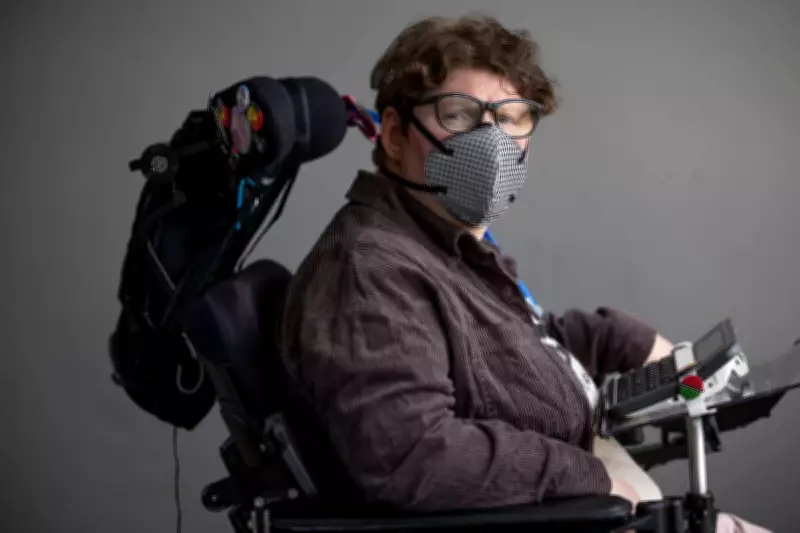
Sam Peterson endured four miserable years in a disability group home, describing the experience as death by a thousand cuts. Severe understaffing and a cost-cutting priority system led to the neglect of Sam's most basic needs during that period. Sam does not necessarily blame individual support workers but instead points to the system that enables such behavior.
Surge in Reportable Incidents
Internal documents obtained by Guardian Australia and released under freedom of information laws reveal a troubling trend. In the three years since the disability royal commission, reports of abuse, neglect, and unauthorized restraint of people with disabilities have skyrocketed. The NDIS Quality and Safeguards Commission, the regulator for NDIS providers, is fielding an increasing number of serious incident reports.
The watchdog dealt with a total of 107,325 reportable incidents last year, a sharp increase from 74,791 in 2023. Specific categories show alarming rises: reports of abuse reached 6,131 in 2025, up from 5,076 in 2023; neglect reports hit 9,688 last year, compared to 6,550 in 2023; and serious injury reports surged to 12,089, a significant jump from 7,350 in 2023.

Unauthorized Restrictive Practices
Perhaps most concerning is the spike in reports about unauthorized restrictive practices, such as mechanical, physical, or chemical restraints, or seclusion. These incidents soared to 71,485 last year, vastly higher than the 48,772 reported in 2023. Additionally, the documents indicate roughly 13 incidents of unlawful sexual contact are being reported to the NDIS commission each week.
Systemic Issues and Responses
Dr. George Taleporos, the independent chair of Every Australian Counts, argues these figures highlight the critical need for funding alternatives to group homes. He emphasizes that the disability royal commission clearly identified forced shared living arrangements as a root cause of abuse, where individuals have no control over their living companions or support providers.
In response, a spokesperson for the National Disability Insurance Agency stated the scheme provides funding for disability-related supports, including independent living in the community. The NDIS commission asserts that safety and human rights are top priorities, with comprehensive assessments of every notification.
However, a spokesperson cautioned against overinterpreting raw numbers, noting that reportable incidents cover a wide range of matters, including complex behavioral situations or unsubstantiated allegations. The commission focuses on harm prevention, strengthening provider practices, and taking proportionate action against failures.
Ongoing Challenges and Uncertainties
These revelations emerge during a period of intense change and uncertainty for NDIS participants. Legislative changes aimed at cost-cutting for a scheme projected to reach $90 billion by the decade's end are causing anxiety. Guardian Australia has reported on numerous cases where NDIS participants, including those with complex 24-hour care needs, are facing support cuts or refusals.
Experts are also alarmed by the planned deployment of the Instrument for the Classification and Assessment of Support Needs (I-CAN), an online tool for determining support plans. Advocates warn this represents a form of robo-planning that could endanger people with disabilities.
A Personal Perspective
Sam is now in a better place, with NDIS funding for specialist disability accommodation and independent support workers who show respect and treat Sam like a person. Yet, the situation remains tenuous. Sam expresses fear that funding cuts or restrictions on independent support workers could eliminate choice over who provides intimate care, emphasizing the principle of my body, my choice.
This ongoing crisis underscores the urgent need for systemic reforms to ensure the safety and dignity of all NDIS participants, moving beyond mere compliance to genuine empowerment and protection.