Elderly Orpington Woman Feels 'Trapped' by Security Barrier Installation
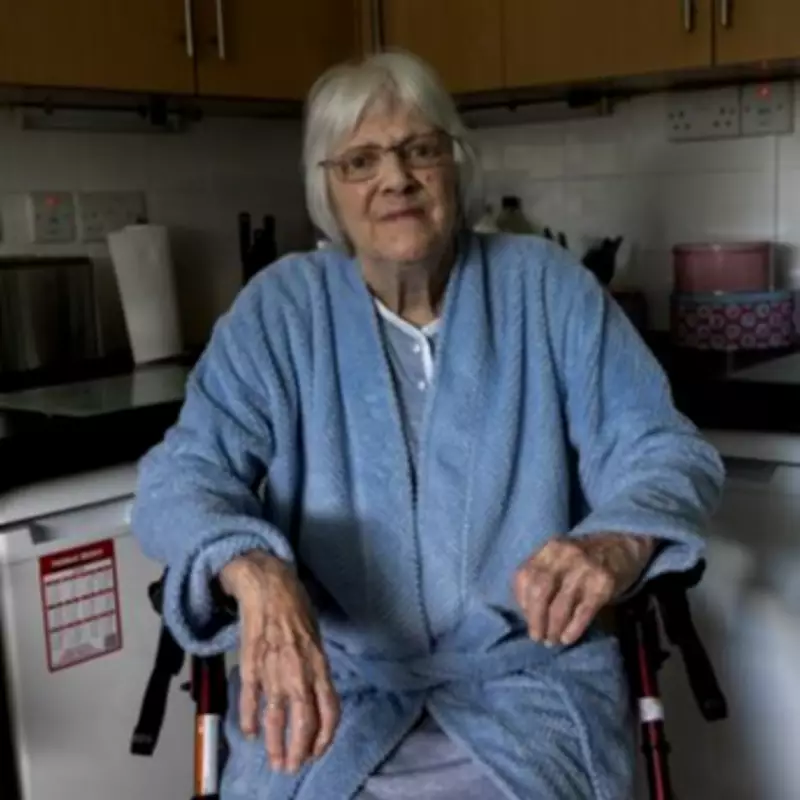
An elderly disabled resident in an Orpington housing complex has expressed feeling like a "prisoner in my own home" following the installation of a security barrier at the property entrance. Seventy-nine-year-old Patricia Buckley, who has lived at Lancelot Court since 2007, claims the new barrier has significantly complicated her daily life and raised concerns about emergency access.
Health Concerns and Accessibility Issues
Patricia suffers from multiple health conditions including chronic obstructive pulmonary disease, arthritis, and has recently battled pneumonia requiring hospital visits. The barrier, installed alongside CCTV cameras in January by housing association Hyde, now requires her to walk approximately 100 yards to manually open it for deliveries. Previously, groceries could be delivered directly to her door, but now she must navigate this distance despite her mobility limitations.
"I like to be as independent as I possibly can, but I have my limits," Patricia explained. "When you get old you have to accept your limits. To be a prisoner in your own home, my life has been made more and more difficult."

Emergency Access Fears and Neighbor Concerns
Patricia specifically worries about ambulance access if she falls ill, questioning whether emergency services could reach her quickly enough. Another resident, a single mother of two who wished to remain anonymous, shares similar concerns. One of her children has special educational needs, making it difficult for her to always leave the property to open the barrier for deliveries.
"I can't always leave the property," the mother stated. "Sometimes I can, but sometimes I can't. It's just not possible. If there was an accident and I can't physically move, I wouldn't be able to let anyone in."
Security Versus Accessibility Debate
Both residents acknowledge the barrier was installed in response to previous antisocial behavior and drug dealing issues at Lancelot Court. However, they claim these problems haven't been evident since 2024 and question why Hyde implemented these measures two years later. They believe CCTV alone would have been sufficient deterrent.
The mother added: "I just think it's so unfair to treat an elderly disabled person like that. It's so discriminative. I just think where is your heart in this?"
Housing Association's Response
Hyde housing association maintains the barrier was installed following resident requests due to antisocial behavior concerns. The organization conducted a Section 20 consultation, a mandatory legal process for works exceeding £250, before proceeding with installation.
A Hyde spokesperson stated: "The barrier and CCTV were installed at Lancelot Court in January, following a request by customers due to antisocial behaviour issues. A full consultation with customers took place before the barrier was installed."
The association emphasized that emergency services can access the building using the barrier's fire control switch, and delivery drivers can enter via an intercom system. Hyde acknowledged concerns about regular access for carers and visitors and confirmed they are exploring solutions.
Consultation Dispute
Patricia and her neighbor claim they were not consulted about the barrier installation, only about the CCTV cameras. Hyde disputes this, pointing to their Section 20 consultation process. The situation highlights ongoing tensions between security measures and accessibility needs in residential developments.
The housing association's statement concluded: "We understand there are concerns around carers and visitors needing regular access to the car park and are currently looking into solutions."