Aged Care Assessment Tool Designer Voices Alarm Over Algorithmic Implementation
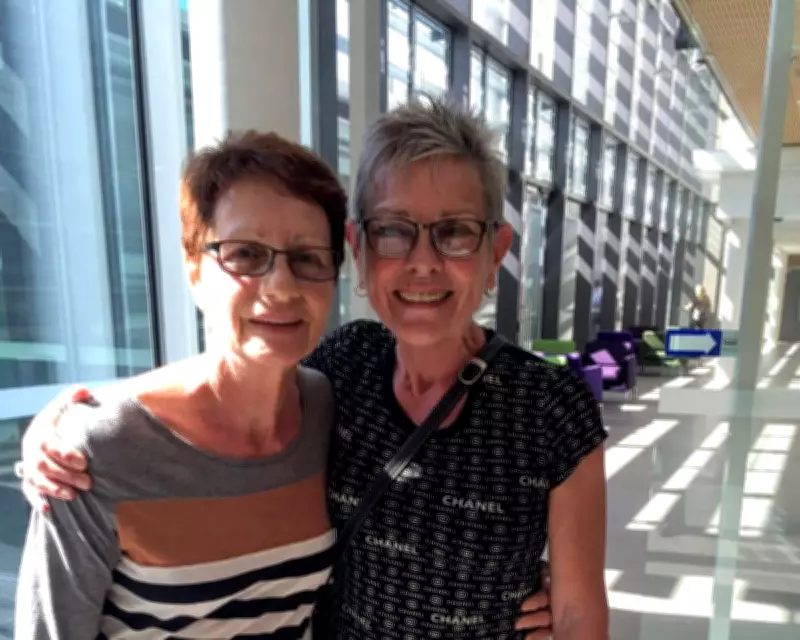
Lynda Henderson, a key member of the expert advisory group that developed Australia's Integrated Assessment Tool (IAT) for aged care, has revealed she is now too frightened to use the very system she helped create. Henderson, who contributed to the tool's design starting in late 2020, expressed shock and anger upon learning that the federal government had introduced an algorithm to score responses and categorize individuals based on need, a move she claims undermines the tool's original intent.
Unanticipated Algorithmic Shift
Henderson, with a background in psychology, psychometrics, and statistics, emphasized that the working group designed the IAT to assist clinical assessors by allowing for nuance, notes, and adjustments. "We in the working group didn't know the government were going to be using an algorithm to score each question and assign categories," she stated. The group believed the tool would rely on human judgment, not automated scoring.
The algorithm, implemented without the working group's knowledge, classifies responses to determine funding packages for home support. Henderson described it as "ridiculously simplistic" and argued that it frequently under-assesses care needs, leading to inadequate funding and support for elderly Australians. This issue has been compounded by the government's decision to remove assessors' ability to override incorrect outcomes, a change that took effect on November 1.

Personal Fears and Broader Implications
Since the death of her partner, Veda Meneghetti, from dementia two years ago, Henderson's own health has declined, increasing her need for home support. However, she is hesitant to seek reassessment due to fears of being under-assessed and losing critical aid. "I am so terrified about applying for a reassessment and having all my support cut if it under-assesses me," she admitted, highlighting the tool's real-world impact on vulnerable individuals.
The IAT has faced widespread criticism from aged care workers and clients, who report that it often downgrades individuals' support levels despite worsening health conditions. Greens senator Penny Allman-Payne has called for immediate action, urging Aged Care Minister Sam Rae to reinstate human oversight and allow assessors to override under-assessments. In a letter to Rae, she emphasized the strain on families and the lack of transparency regarding the algorithm's development and testing.
Calls for Transparency and Reform
The Department of Health has not responded to inquiries about when the algorithm was introduced or who developed it, though sources indicate it was intended to standardize assessments nationally. Documents confirm that the IAT now operates as a prescriptive tool without override capabilities, raising concerns about fairness and accuracy.
Henderson's experience underscores a growing debate over the use of algorithms in critical care decisions. Advocates warn that without human intervention, the tool risks leaving older Australians without necessary support, potentially forcing them into hospitals or unpaid care situations. The situation has sparked calls for greater accountability and a reevaluation of how technology is integrated into aged care systems.