In a horrifying turn of events, the serene backdrop of Sydney's iconic Bondi Beach became the scene of a deadly terror attack last Sunday. What began as a festive afternoon for local surf lifesaving clubs swiftly transformed into a critical emergency response operation, with volunteers becoming the first on the scene to aid the wounded.
From Festive Celebration to Frontline Triage
Sunday, the second weekend in December, is a traditional date for surf club Christmas parties across Australia. At both the Bondi and North Bondi Surf Life Saving Clubs, celebrations were in full swing. Children played, a band performed at North Bondi, and members enjoyed buffet spreads. Dozens of other lifesavers were still on patrol on the busy beach.
The mood shattered when gunshots echoed across the eastern suburbs. Steve Larnach, President of the North Bondi Surf Life Saving Club, initially feared a shark attack upon seeing commotion. "That's where your mind goes," he recounted. "Then someone said 'no – someone's been shot'. I looked around, and someone else already had a bandage ready to go."

What followed was described as "pandemonium." With the extent of the danger unclear, the immediate priority was shelter. Clubs opened their doors, ushering hundreds of terrified bystanders off the beach and into safety. At its peak, around 250 members of the public were packed into the North Bondi clubhouse.
Running Towards Danger: Lifesavers in Action
In an extraordinary demonstration of courage and training, the lifesavers transitioned from beach patrol to emergency medical responders. Before police or paramedics could secure the area, they were administering first aid to victims, including several people shot during Hanukkah celebrations in nearby Archer Park.
"We were calming people down, assisting with injuries, providing aid," Larnach said. Their training to be "proactive over reactive" meant many ran towards the open fire. A patch of grass by the clubhouse became an impromptu triage centre. Rescue boards were used as makeshift stretchers, becoming covered in blood.
"We haven't got a Band-Aid left in the club," Larnach stated, emphasising how every piece of first aid equipment was deployed.
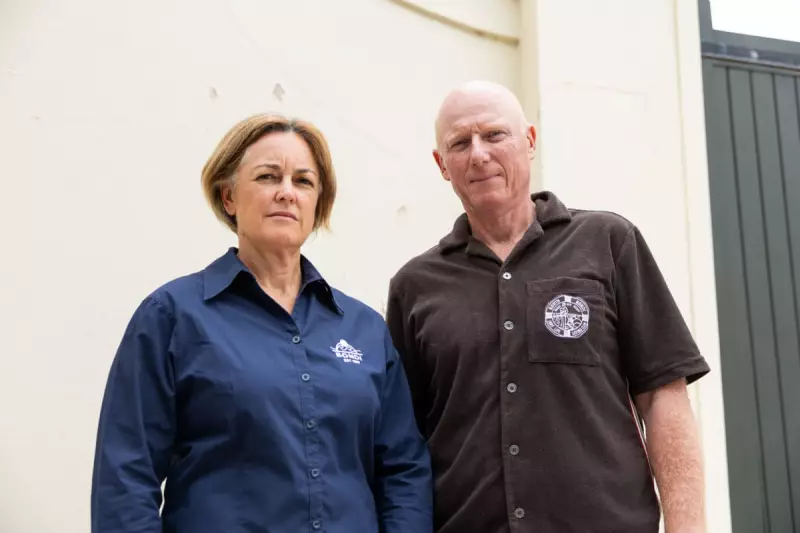
Meanwhile, at the Bondi Surf Bathers Life Saving Club, which has a direct view of Archer Park, President Liz Webb said members initially mistook the shots for fireworks. A woman with country experience corrected them: "'no, that's a gun'."
"Our members could see the park from the balcony so they were witnessing it as it was happening," Webb explained. Faced with uncertainty, their instinct was to act. "When they saw the kids in the park, our members ran out under live fire to get the kids out."
Acts of Compassion Amidst the Chaos
The lifesavers' role evolved as the situation unfolded. Steven Pearce, Chief Executive of Surf Life Saving NSW, confirmed that lifesavers were "running from the water up into the park to try and save people." Some people had fled into the sea to escape, requiring aquatic rescues.
Once the immediate threat was neutralised around 9pm, the focus turned to reuniting separated families. Among those sheltered was a heavily pregnant woman who went into labour during the attack. A lifesaver sat with her and her young daughter for hours, providing comfort until her husband could reach them.
Webb believes the unpredictable nature of the ocean prepared her members for this crisis. "You're making decisions without facts a lot of the time, and you've got to keep going. That's what our members did – and that's exhausting." She is certain that their efforts, particularly performing CPR on victims, saved lives.
The Aftermath and a Community's Resilience
In the days following the attack, Bondi Beach has been unusually quiet. However, the surf lifesaving community has mobilised. Clubs from across Australia have donated equipment to replace the depleted stocks, allowing patrols to resume.
"The support is overwhelming," Larnach said. "It is a real family. Surf clubs are very good at that. We're a great leveller."

As the community begins to heal, the presidents emphasise the need for their volunteers to process the trauma. The heroes of the day, who traded Christmas cheer for crisis management, now face the task of recovering from an event far beyond their usual remit of battling rips and sunburn, proving their motto extends far beyond the shoreline.