Fire Threat Subsides But Damage Toll Rises
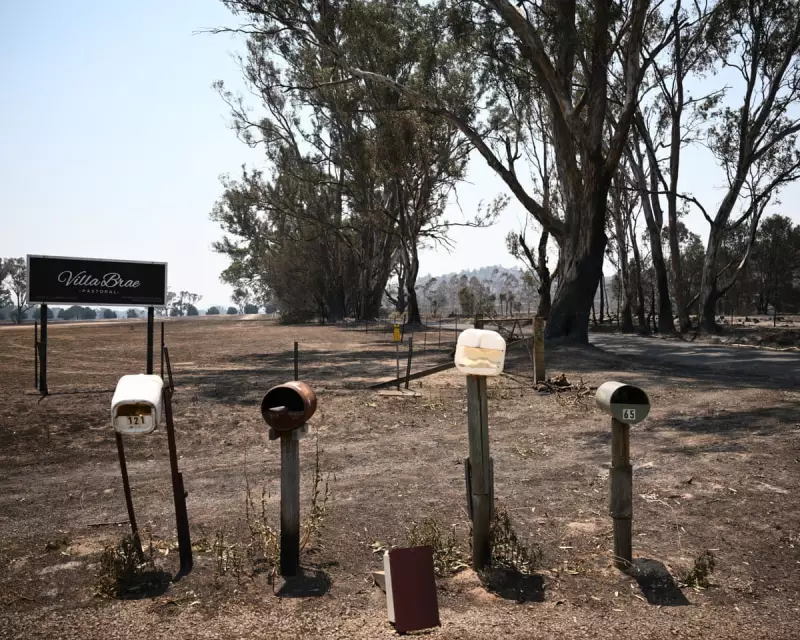
For the first time in almost a week, Victoria is free of emergency bushfire warnings, offering a moment of respite for fire-ravaged communities. However, the scale of destruction is becoming clearer, with the number of damaged or destroyed structures now approaching 500.
The State Control Centre confirmed on Tuesday that while 12 major bushfires remain active across the state, no emergency warnings are currently in place. Officials warn that many of these blazes could continue to burn for days or even weeks.
Assessing the Widespread Devastation
The latest estimates reveal the sheer scale of the disaster. More than 404,000 hectares of land have been scorched, with the tally of lost structures rising to over 480, a significant increase from the 350 reported just a day earlier.

The most destructive blaze, the Longwood fire in central Victoria, is responsible for at least 343 of these destroyed structures in areas including Euroa and Yarck. The full breakdown of homes versus sheds and outbuildings is still being determined. This fire also tragically claimed the life of cattle farmer Maxwell Hobson, who ran Aintree Farm Herefords near Euroa with his wife, Julie.
Prime Minister Anthony Albanese expressed his condolences, stating the community would be grieving and urging continued caution for those in fire and flood-affected regions.
Other communities have suffered heavy losses:
- Ravenswood and Harcourt: 50 structures lost and critical infrastructure, including the Bendigo rail line, damaged.
- Streatham: Over 45 structures destroyed with major agricultural impacts.
- Natimuk (Grass Flat blaze): 30 structures destroyed.
- Yarroweyah: 12 structures lost.
- Walwa: 4 structures, 28km of fencing, and vast areas of farmland and pine plantation burned.
Authorities caution that these figures are expected to grow further as assessment teams reach more isolated areas.
Ongoing Challenges and Future Risks
With the immediate threat reduced, focus is shifting to recovery and preparation. More than 70 aircraft, including large air tankers and helicopters, remain deployed to battle the blazes from above.
A critical priority is reopening roads to allow farmers to reach and save their livestock. The Victorian Farmers Federation reported that more than 15,000 livestock have perished, a number feared to rise, with many surviving animals injured or starving due to burned food supplies.
Country Fire Authority Chief Officer Jason Heffernan issued a sobering reminder that the fire season is far from over. Data from the Bureau of Meteorology indicates weather conditions are likely to warm up again in late January, bringing a renewed fire risk.
"There’s a lot of fire in the landscape," Heffernan said. "Much work will be done between now and then to contain these fires but there is time for Victorians to get ready for the rest of the season."