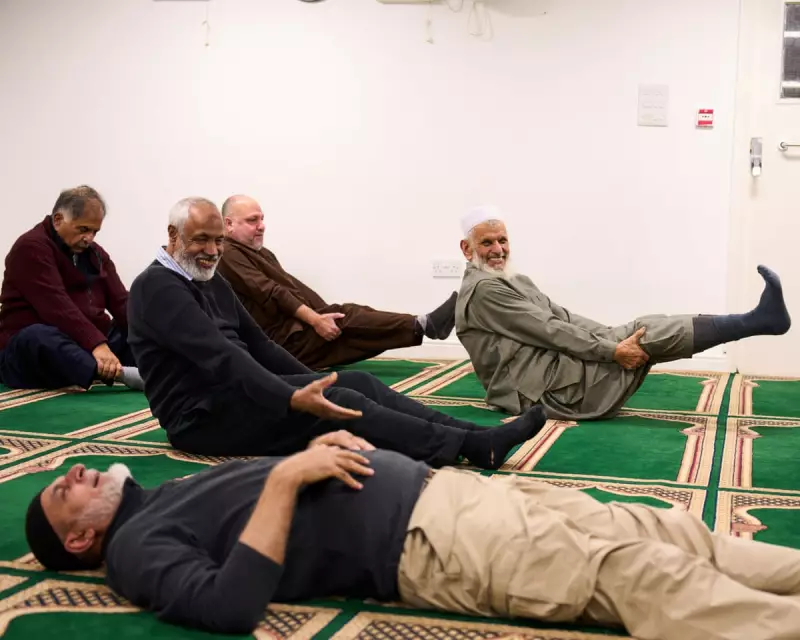
In the heart of Heaton Village, Bradford, a unique community initiative is transforming the traditional mosque experience into a hub for health and camaraderie. At the Jamia Usmania mosque, a group of predominantly elderly men gather weekly for a 45-minute pilates class immediately following their midday prayers, blending spiritual practice with physical exercise in an innovative approach to wellbeing.
A Viral Sensation Sparks Widespread Interest
The pilates sessions began modestly at three Bradford mosques with just a handful of participants, but a promotional TikTok video unexpectedly catapulted the initiative into the spotlight. The video amassed nearly two million views, generating inquiries from mosques across the United Kingdom and as far afield as Malaysia and Canada, all seeking guidance on implementing similar programmes for their congregations.
"We never anticipated it would go that viral," admitted Mohammed Ilyas, the mosque's general secretary. "It was simply a routine upload to attract more members. Starting from Bradford, if this spreads worldwide, we believe it's a positive development and we're contributing to meaningful change."

Creating Comfort and Accessibility
The classes attract men aged between 50 and 80 with varying physical abilities, who appreciate the convenience and familiarity of the mosque environment. "They feel comfortable here," explained Ilyas. "They already come to pray at the mosque, and after prayers they can simply join the class in whatever they're wearing." This accessibility removes barriers to participation, encouraging regular attendance among men who might otherwise avoid conventional fitness settings.
Zafar Kayani, the 69-year-old pilates instructor, emphasises the holistic benefits of the programme. "It's a very unique thing for older Asian men," he observed. "They're coming here for their spiritual health, then gaining physical exercise and mental wellbeing, while also connecting with each other."
Measurable Health Improvements and NHS Benefits
Participants report significant improvements in both physical and mental health. Mohammed Salim, a 66-year-old retired shopkeeper, shared: "Before I used to feel aches everywhere, all over my body. But when I started walking and doing exercise, it's much better. Recently I had a pacemaker fitted, but I don't feel anything because I do the activity."
Tahir Butt, 74, who has undergone double-knee replacement surgery, finds the classes "very beneficial." The retired bus driver noted: "I wouldn't think of doing those exercises before because of my condition."
Kayani believes such community-based initiatives could positively impact public health services. According to 2024 government data on physical activity, men from Asian (59.6%) and "other" (60%) ethnic groups were less likely to be active than the overall average (65.6%). "This is beneficial for the NHS," Kayani asserted. "If fewer people need to see doctors or attend hospital appointments, it reduces costs."
Building Community and Combating Loneliness
Beyond physical benefits, the sessions foster social connections and address isolation among older men. Akhtar Malik, manager of the Bradford Youth Development Partnership, highlighted this aspect: "That's the key thing – being happy, laughing – it gives you that motivation to keep coming, week in week out. We provide a social platform where they can meet other people. It's a friendship group."
The instructor maintains a lighthearted atmosphere throughout the 45-minute sessions, interspersing exercises with humour and encouraging remarks, even dubbing participants "men of steel." Each class concludes with a guided relaxation exercise where men close their eyes, breathe deeply, and imagine holidaying in warm climates before Kayani humorously returns them to "wet Bradford," eliciting laughter and camaraderie.
Expanding the Vision for Community Transformation
The success of the men's pilates classes has inspired broader ambitions for the mosque's role in the community. Ilyas envisions transforming the space into a multifunctional hub beyond prayer, with plans already developing for female pilates classes and youth clubs.

"As well as a mosque, we want a community hub where people can join in other activities," Ilyas explained. "These were provided by the council twenty years ago but are nonexistent now – we want to make that happen again. We aim to make it as accessible as possible, not just for elders but for the young generation too, making the mosque welcoming to all."
This innovative approach demonstrates how religious institutions can evolve to meet contemporary community needs, addressing physical health, mental wellbeing, and social connection in an integrated, accessible manner that resonates across generations and cultures.