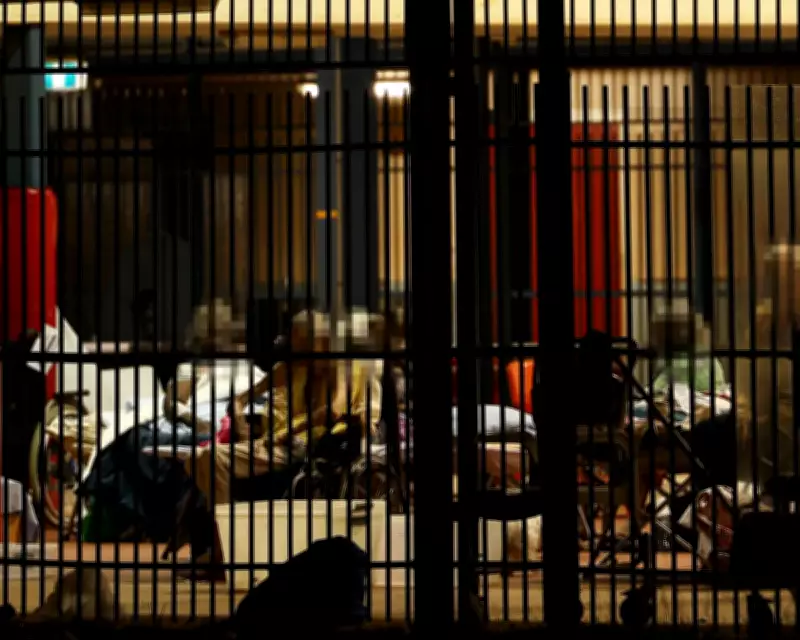
Aged Care Evacuees Sheltered in Open Basketball Court During Cyclone Narelle
Frail aged care residents in Katherine were forced to shelter in an open-sided basketball court, sleeping in makeshift conditions as authorities scrambled to prepare for major river flooding triggered by ex-Tropical Cyclone Narelle. Residents from Rocky Ridge and Katherine Hostel aged care facilities were evacuated to MacFarlane primary school, where many spent the night at a covered basketball court with rain blowing into the open-sided shelter as the deep tropical low swept through the region.
Suboptimal Conditions for Vulnerable Residents
Services huddled the beds into the centre of the shelter away from the open sides to avoid residents getting wet. Later in the evening, some classrooms were opened for staff and the "more fragile" residents to sleep, but the majority spent the night in the outdoor facility. In contrast, members of the public were housed in a second evacuation shelter in the fully enclosed and air-conditioned multipurpose sports centre at Katherine high school.
The overwhelming majority of residents in these homes are First Nations people living with cognitive impairments and disability. At Rocky Ridge, 23 of 24 residents are Indigenous. Nursing staff described the conditions as "confronting," noting that while they were better prepared than during a similar evacuation a fortnight earlier, it was still not an ideal situation. One staff member said, "It's a shitty environment for these old people," while another described the setting as "suboptimal."

Transport and Systemic Failures Highlighted
Inside the shelter, staff reported that residents appeared discombobulated, with the unfamiliar, unsecured setting making it difficult to keep people safe, comfortable, and calm. At the Katherine high school shelter, many First Nations evacuees were transported by police in the caged rear of paddy wagons, despite empty backseats in the dual-cab utes. A father was seen lifting his toddler, still strapped into a pram, out of the cage.
A spokesperson for the federal minister for aged care stated that the evacuation had been directed under Northern Territory emergency laws, with responsibility for shelter standards resting with the Territory government. The NT government confirmed targeted evacuations for vulnerable groups but said there had been no broad-scale evacuation of Katherine. NT MLA Jo Hersey described those evacuated to MacFarlane primary school as "vulnerable residents."
Public Guardian Expresses Concern
Many evacuees were under public guardian orders and rely on structured, high-level care. However, the NT public guardian's office said it had not been aware of the conditions residents would be moved into. Public guardian Beth Walker emphasized, "We need to make sure that disaster planning and response take into account the needs of vulnerable people. If you or I would have been scared, then an old person with memory issues would have been very frightened." She added that while the worst of the weather did not eventuate, the experience should not be dismissed.
NT police justified transporting some people in police vans, stating that to ensure timely conveyance, those who were not vulnerable were transported in paddy wagons, as the rear seats were loaded with essential police equipment needed for emergency response capacity.
Broader Criticism of Emergency Responses
The evacuation in Katherine comes amid growing criticism of the Northern Territory government's handling of a series of emergency responses across remote communities this wet season. In early March, 11 residents in Palumpa had to be winched to safety after flood waters cut off access to an airstrip. In Jilkminggan, residents were left to self-evacuate before being staged at a shelter lacking beds and food.
Communities along the Daly River, including Nauiyu and Palumpa, were evacuated to Darwin earlier this month for a second time this wet season, with many sleeping shoulder-to-shoulder on stretcher beds with little privacy at Foskey Pavilion. The government has since announced plans to relocate families to the Batchelor Institute, a move criticized by Territory MLA for Daly, Dheran Young, who said residents feel they have lost agency over their own lives.

Young stated, "Our old people deserve dignity, care, and protection. They have already been through a lot. Right now they feel they have lost agency over their own lives." He added that Daly residents do not want to be moved to the Batchelor Institute, citing culturally inappropriate arrangements.
Calls for Improved Evacuation Standards
The Northern Land Council highlighted broader systemic failures in how evacuations are handled across the territory, particularly for Aboriginal communities and vulnerable groups. Chair Matthew Ryan called for adequate and consistent levels of care and accommodation for all evacuees, regardless of age and background. The council is advocating for evacuation centres to be located closer to communities, culturally safe facilities, and guaranteed basic standards such as food, bedding, and sanitation.
This incident underscores the urgent need for improved disaster planning and response protocols to ensure the safety and dignity of all residents, especially the most vulnerable, during extreme weather events in the Northern Territory.