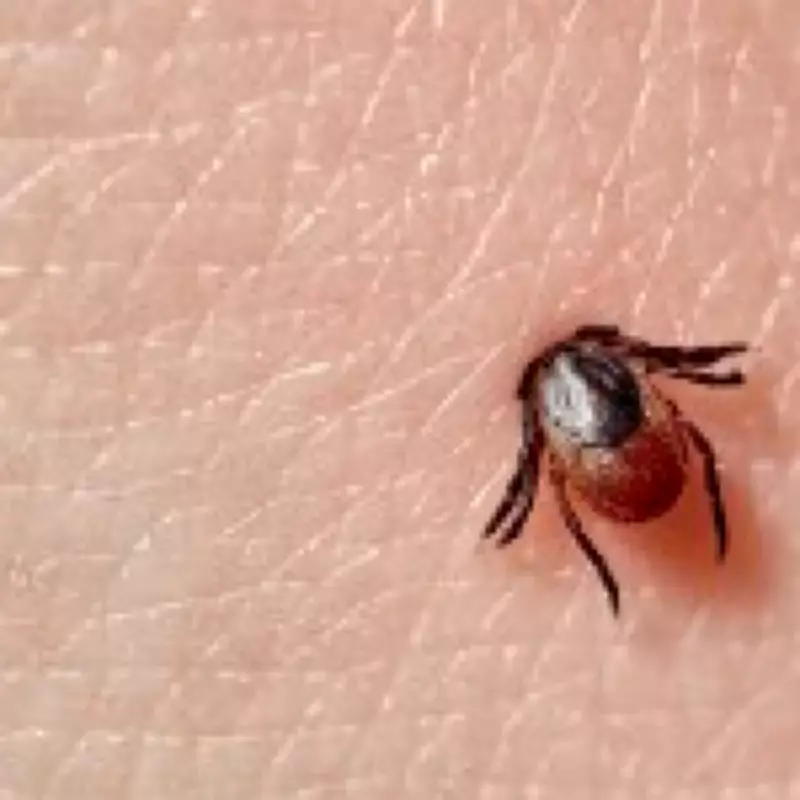
Alpha-Gal Syndrome: A Growing Public Health Concern
Alpha-gal syndrome (AGS) is an emerging and potentially deadly disease that triggers severe allergic reactions to red meat and dairy products. This condition, caused by bites from the Lone Star tick, is on the rise in the United States, with at least 450,000 confirmed cases and increasing numbers each year. Researchers now suspect it has contributed to at least three unexplained deaths in recent years, highlighting its serious and often overlooked dangers.
Symptoms and Causes of Alpha-Gal Syndrome
Individuals with alpha-gal syndrome can experience a range of symptoms, including hives, nausea, vomiting, diarrhoea, severe stomach pain, difficulty breathing, dizziness, and swelling of the lips, throat, tongue, or eyelids. The syndrome is named after the alpha-gal carbohydrate found in the saliva of the Lone Star tick. When this tick bites a person, it introduces the sugar molecule into their bloodstream. Since the same molecule is present in red meat, such as pork, beef, lamb, rabbit, and venison, as well as in gelatin and dairy products, it can provoke an allergic reaction in affected individuals.
Documented Deaths and Severe Cases
Recent studies have linked alpha-gal syndrome to fatal outcomes, raising alarms about its diagnosis and management. In one case, a pilot in New Jersey died after consuming a hamburger at a barbecue, with blood tests confirming alpha-gal syndrome as a factor. Similarly, a teenager in Australia died suddenly after eating sausages, and a 70-year-old woman in Kansas passed away following heart surgery, despite efforts to avoid allergens. Her death certificate listed anaphylactic shock and alpha-gal syndrome among the causes, with theories suggesting an allergic reaction to a pig-derived blood thinner used during the procedure.

Even those who carefully manage their diet are not entirely safe. For instance, Dana Casale reported slow healing after childbirth, attributing it to sutures made from cow and sheep intestine. These cases underscore the syndrome's complexity and the need for greater awareness among healthcare providers.
Why Cases Are Increasing
The rise in alpha-gal syndrome cases is attributed to several factors, including the expanding range of the Lone Star tick, increased human exposure to ticks, and growing medical recognition of the condition. It can take weeks or longer for symptoms to develop after a tick bite, and many patients exhibit only gastrointestinal issues, such as unexplained diarrhoea, nausea, and abdominal pain. Dr. Johanna Salzer, an expert on the syndrome, notes that non-specific symptoms, healthcare access challenges, and lack of clinician awareness contribute to underdiagnosis.
Management and Global Spread
There is currently no cure for alpha-gal syndrome, but management strategies include avoiding red meat and being vigilant about cross-contact with animal products. The Centers for Disease Control (CDC) has labeled the increase in diagnoses as an emerging public health problem. While more prevalent in the United States, the syndrome has also been reported in the UK, with cases estimated in the low thousands. Warmer weather may accelerate its spread by promoting tick populations, with potential hotspots identified in areas like the New Forest, Exmoor, and Cumbria.
In the UK, testing is limited to two locations, and the UK Health Security Agency (UKHSA) emphasizes that alpha-gal syndrome is rare but serious, requiring referral to allergy specialists for proper diagnosis. As awareness grows, early detection and education are crucial to mitigating the risks associated with this tick-borne allergy.