The Hidden Crisis in Australia's End-of-Life Care System
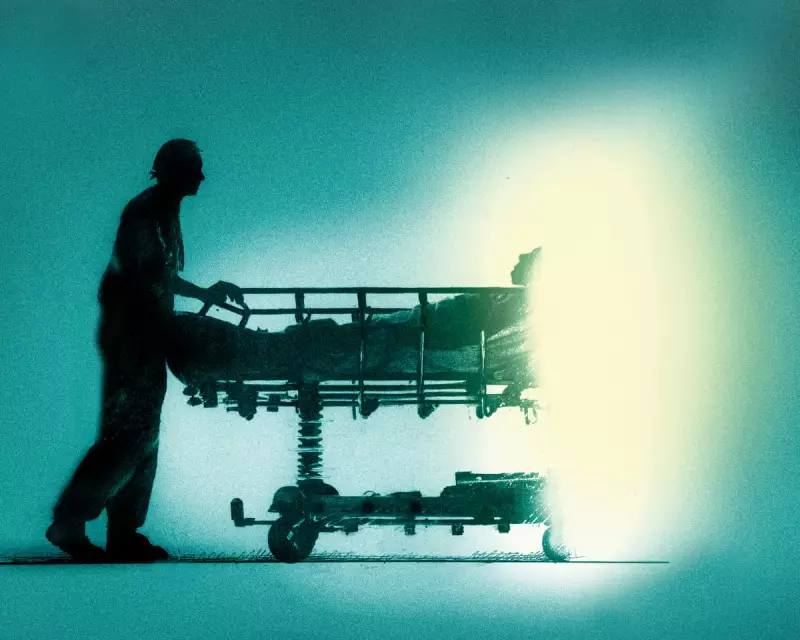
In a poignant reflection on modern healthcare, Dr Ranjana Srivastava, an Australian oncologist, has shed light on a deeply concerning trend. Despite many patients and their families expressing a clear preference for quality of life over aggressive medical interventions in their final days, a significant number of dying residents are still being routinely transferred to hospital settings. This practice often contradicts their stated wishes and highlights systemic failures in palliative care provision.
A Personal Story That Reveals Systemic Problems
Dr Srivastava recounts a particularly telling experience involving a close friend whose mother was experiencing repeated hospital admissions. "Her mother was in hospital for the seventh time in one year," she writes. "The tests kept coming but the patient was no better. Her body was failing and her cognition faltering." Despite clear signs of deterioration, the medical team struggled to provide a coherent plan, leaving the family confused and distressed.
When Dr Srivastava suggested palliative care as an appropriate pathway, her friend experienced what she described as an epiphany. "She had heard of palliative care but had little idea of what they did – and no idea she could request it," the oncologist explains. Tragically, the mother passed away just three days after this conversation, leaving her daughter to regret not accessing better end-of-life support sooner.

Concerning Statistics Paint a Troubling Picture
The latest evidence reveals serious shortcomings in Australia's approach to palliative care:
- In 2021-22, there were 132,000 predictable deaths among people aged 65 and over
- The median age of death was 85, making these largely expected deaths associated with gradual decline
- Over half of people were using at least one aged care service in their final year
- Just under half (47%) were experiencing organ failure
While 60% of cancer patients now receive palliative care, the figures are far less encouraging for other conditions. Only 28% of people with organ failure and a mere 22% of those with dementia and frailty receive appropriate palliative support.
The Timing Problem and Its Consequences
One of the most alarming revelations is the timing of palliative care intervention. The first specialist palliative care service occurs a median of just 12 days before death, despite experts recommending a three-to-four-month input for optimal preparation and support.
This delayed intervention contributes to several problematic outcomes:
- 68% of dying people experience unplanned hospital admissions in their final year
- Many die in hospitals or, worse, emergency departments
- Patients with dementia and organ failure are particularly affected
The Residential Care Dilemma
The situation is especially concerning for those in residential care facilities. Despite advance care directives often specifying preferences for quality of life over aggressive measures, dying residents are frequently transferred to hospitals. Relatives often decline suggestions to keep residents in nursing homes, fearing these facilities aren't equipped for proper end-of-life care – and the data supports their concerns.
People in residential care have far less access to specialist palliative care compared to those using home care (21% versus 49%) and receive their first specialist intervention just eight days before death.
A Changing Landscape of Terminal Illness
While palliative care was once primarily associated with cancer patients, the landscape has changed dramatically. Thanks to medical advances, more cancer patients are living longer, but staggering numbers of people are developing dementia – now the leading cause of death in Australia. Organ failure for most people follows a slow, irreversible trajectory that differs significantly from cancer progression.
This evolution requires palliative care expertise that is:

- Compassionate and measured in approach
- Tailored to longer trajectories of conditions like dementia
- Integrated earlier in the care pathway
The Economic Argument for Reform
The financial implications of current practices are substantial. Healthcare costs in the last year of life are 14 times higher than usual care (10 times higher for those over 80), not including the huge intangible costs to families and the healthcare system.
Dr Srivastava argues that better palliative care represents a win-win scenario: "Earlier and better palliative care is better for patients and their loved ones. It also helps professionals who bear witness to suffering. If we could achieve all this while saving on even a fraction of healthcare costs, all of society would win."
A Call for Systemic Change
The solution, according to Dr Srivastava, requires a multi-faceted approach:
- Better funding for palliative care services across all settings
- Increased awareness among both healthcare professionals and the public
- Stronger advocacy for those currently missing out on appropriate care
- Earlier integration of palliative approaches in care pathways
As Australia's population continues to age, addressing these palliative care gaps becomes increasingly urgent. The current system, while well-regarded in many aspects, is failing too many people at the most vulnerable time of their lives. Properly administered palliative care has been proven to mitigate physical and emotional distress for all parties involved – patients, families, and healthcare professionals alike.
The challenge now is to transform palliative care from being seen as "giving up" to being recognised as an essential component of compassionate, comprehensive healthcare that honours patients' wishes and provides dignity in dying.