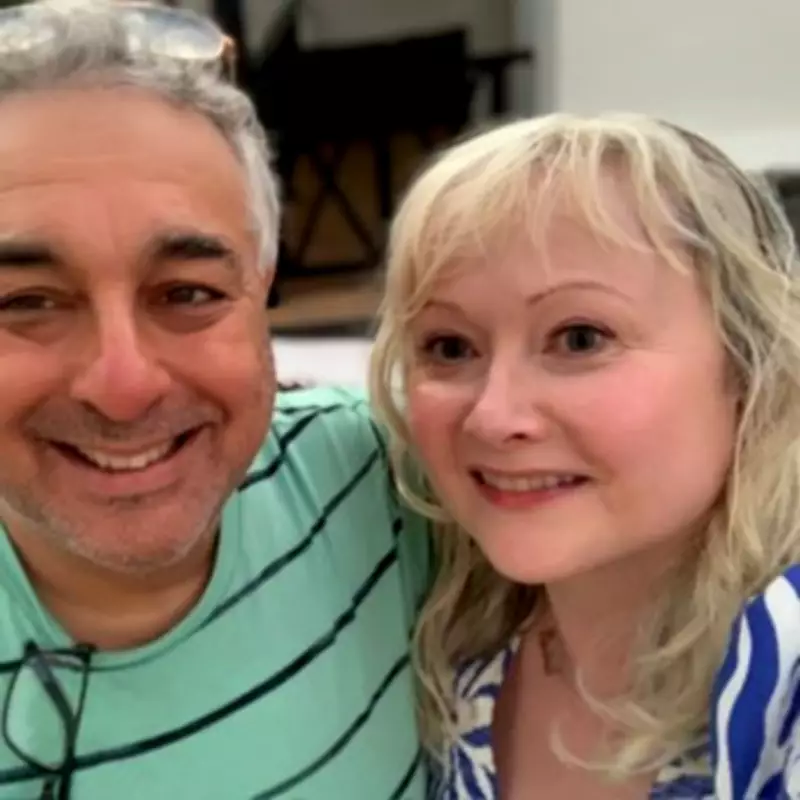
Coroner Issues Urgent Warning Over Blood Thinner Risks Following London Executive's Death
A coroner has issued a stark warning about blood thinning medications after a prominent London finance executive died from complications following what was described as a "minor" fall. The case has raised serious concerns about inadequate patient information regarding head injury risks for those taking anticoagulant drugs.
Tragic Sequence of Events After Seemingly Minor Incident
Clive Hyman, a 64-year-old corporate finance expert from London, was enjoying a holiday in Bucharest, Romania, when he experienced a fall on marble steps on August 1, 2025. Despite initially feeling "fine" according to witness accounts presented at the inquest, the seemingly minor incident would prove fatal.
The former KPMG partner, who made history as the firm's youngest ever partner, had been taking the blood thinner apixaban following previous heart problems. He maintained an active lifestyle, regularly attending the gym and playing cricket, with no indication of serious health concerns prior to the accident.

Critical Information Gap in Medication Leaflets
At Poplar Coroner's Court last month, Assistant Coroner Sarah Bourke conducted an investigation that revealed a significant gap in patient safety information. Her prevention of future deaths report highlighted that none of the patient information leaflets for apixaban she reviewed provided guidance on what steps patients should take if they sustain trauma to the head while taking the medication.
"In my opinion there is a risk that future deaths could occur unless action is taken," the coroner stated in her official report, emphasizing the urgent need for clearer warnings about head injury risks for patients on blood thinners.
Devastating Outcome and Family's Anguish
Five days after his fall, Clive developed a severe headache, prompting his wife Rachel to call emergency services. Initially classified as a non-emergency, Clive took paracetamol and rested. Later that same day, his condition deteriorated dramatically with vomiting, high blood pressure, and unresponsiveness.
Emergency responders discovered he had suffered a left-sided subdural haemorrhage - bleeding on the brain that proved fatal. Clive passed away on August 10, 2025, just nine days after his fall, leaving his wife of only four years devastated.
Widow's Heartbreaking Account and Call for Change
Rachel Hyman, 52, expressed her profound grief and frustration following the inquest, stating that her husband "should and could have been saved" if they had been properly informed about the risks associated with his medication.
"All the surgeons knew about the risk, but the cardiac people didn't make us aware. Nobody told us," Rachel revealed during emotional testimony. "I can say with 100 percent certainty that had we known a fall to the head could cause this, we would have gone to the hospital."
The Cambridge-educated executive had been meticulous about his health, even drawing a circle around a bruise on his leg to monitor its progression. Rachel described her husband as "very bright," "kind and lovely," and "the love of my life," expressing how their future plans had been tragically cut short.
Broader Implications and Safety Concerns
The coroner noted this was not an isolated case, having seen similar problems in her court previously. This suggests a systemic issue affecting multiple patients who may not be receiving adequate warnings about head injury risks while taking anticoagulant medications.
Rachel Hyman is now campaigning for increased awareness and clearer warnings on blood thinner medications, hoping to prevent similar tragedies. "If you have a fall on blood thinners, even if you feel fine, just go to the hospital," she urged. "They should be changing the advice."
The case highlights critical gaps in patient safety information and underscores the need for improved communication between healthcare providers, pharmaceutical companies, and patients regarding medication risks and appropriate emergency responses.