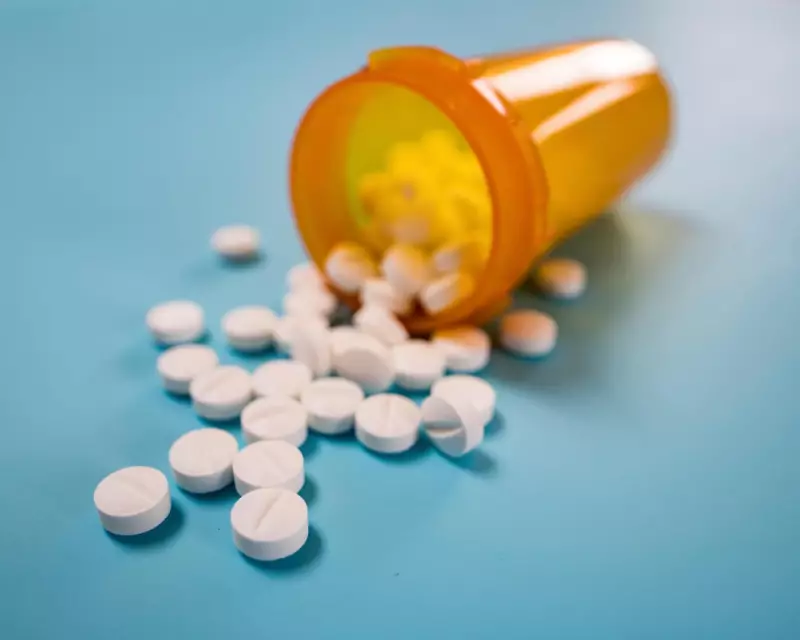
Counterfeit Weight-Loss Pills Pose Growing Threat to UK Consumers
British pharmaceutical experts are issuing stark warnings about an impending flood of counterfeit weight-loss medications as oral treatments prepare to enter the market. With tablet versions of popular GLP-1 medications expected to launch in the UK, authorities fear criminals will exploit the easier manufacturing process compared to injectable alternatives.
Manufacturing Vulnerabilities of Oral Treatments
Professor Bhavik Patel from the University of Brighton explains the fundamental security problem with pill forms: "Pills are much easier prey for scammers than injectables as they require relatively accessible equipment to manufacture the pill – something to mix the powders and a pill press – and can provide the scope for vast production." This manufacturing simplicity creates significant vulnerabilities that fraudsters are likely to exploit on a large scale.
The current UK landscape for weight-loss medications has been dominated by injectable treatments like Wegovy and Mounjaro, which have shown impressive results in clinical trials but come with significant barriers including high costs, refrigeration requirements, and the need for injection equipment. The anticipated oral versions promise greater accessibility and convenience, but experts warn these very advantages could become security weaknesses.

Regulatory Challenges and Patient Safety Concerns
Dr Bernard Naughton from Trinity College Dublin outlines multiple dangers associated with counterfeit pills: "Counterfeit pills could include medications taken out of the legitimate supply chain – and potentially stored incorrectly – while they could also be contaminated, or contain an incorrect dose, incorrect active ingredient or no active ingredient at all." His research into patient behavior reveals additional concerns, noting that people appear more willing to take risks with online purchases of tablets than injections.
The regulatory landscape is evolving rapidly. Novo Nordisk's oral version of Wegovy recently received FDA approval in the United States and is currently under assessment by the UK's Medicines and Healthcare products Regulatory Agency (MHRA). Meanwhile, Eli Lilly's Orforglipron has completed phase-three clinical trials and awaits regulatory review. Both companies emphasize their proprietary technologies and manufacturing processes that counterfeiters cannot easily replicate.
Enforcement Efforts and Criminal Operations
Recent enforcement actions highlight the scale of the problem. In October last year, the MHRA conducted a raid on a Northampton factory, seizing over £250,000 worth of counterfeit weight-loss jabs including unlicensed experimental drugs. Despite this intervention, the company involved continued advertising its products on social media platforms like Telegram, demonstrating the resilience of criminal operations.
Oksana Pyzik from UCL's School of Pharmacy, who also chairs the Fight the Fakes Alliance, notes concerning trends: "There has been a shift from falsified medical products being imported into the UK to increasingly sophisticated domestic operations. When an illicit counterfeit factory can be raided, shut down, and then reappear online shortly afterwards apparently with no arrests or prosecutions as of yet, that is not a functioning deterrent."
Regulatory Responses and Future Challenges
Andy Morling, deputy director of enforcement at the MHRA, emphasizes the agency's commitment: "We are working tirelessly through robust regulatory and enforcement processes to identify and take action against the illegal supply of unauthorised and falsified medicines, ensuring the UK legal supply chain remains strong, responsive and effective as new treatment formats become available."
Professor Patel warns about the scale of the coming challenge: "With the huge demand there will be for the pills, this will really stretch the UK Border Force and MHRA, as the scale is likely to be greater than injectables and we may not be able to completely eradicate these counterfeit products entering our market."

Both pharmaceutical companies and regulatory bodies are implementing new strategies to combat counterfeiting. Novo Nordisk is conducting extensive online monitoring, removing unauthorized websites and posts, while sharing supply chain information with authorities. The UK is beginning to deploy AI tools to detect falsified online advertisements, though experts agree stronger regulation and enforcement mechanisms are urgently needed.
Patient Education and Public Health Campaigns
Dr Naughton advocates for comprehensive public health campaigns: "The UK should ensure it was easy for patients to verify that they were buying medications from a legitimate online pharmacy – and develop public health campaigns targeting groups with different motivations and attitudes to risk when it comes to buying medications online."
Professor Pyzik offers clear guidance for consumers: "Patients need to know that they should only access these products with a prescription, under medical supervision and to avoid purchasing any pharmaceuticals on social media." She emphasizes that while oral weight-loss drugs may improve legitimate access, they simultaneously widen opportunities for criminal exploitation.
The coming transition from injectable to oral weight-loss medications represents both a medical advancement and a significant regulatory challenge for UK authorities. As demand continues to outpace regulated supply, and price pressures drive consumers toward unlicensed alternatives, experts unanimously call for strengthened enforcement, better patient education, and more robust verification systems to protect public health.