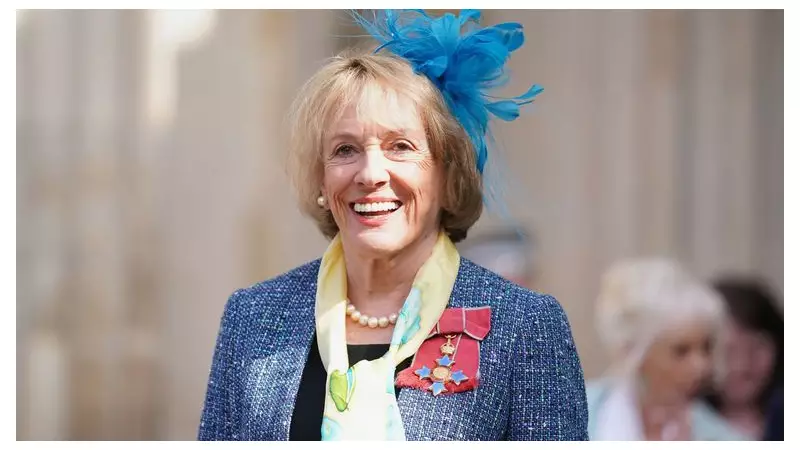
Dame Esther Rantzen, the celebrated television presenter and founder of Childline, has opened up about living with terminal lung cancer, revealing she "didn't expect to see last Christmas" following her diagnosis. In a poignant interview, she combined personal reflection with sharp criticism of parliamentary delays to assisted dying legislation, while also commenting on new NHS initiatives aimed at improving cancer detection.
A Personal Battle with Terminal Illness
The household name from the 1970s and 1980s, best known for hosting the BBC's That's Life, spoke candidly on Mornings With Ridge And Frost about her health. She has accepted that there is no cure for her condition, though treatment has managed to delay the progression of her cancer by three years. Dame Esther, who joined the assisted dying organisation Dignitas in 2023, the same year she was diagnosed, described the current laws governing end-of-life choices as "a mess".
Frustration with Legislative Delays
As a vocal supporter of new legislation, Dame Esther expressed frustration with the slow progress of The Terminally Ill Adults (End of Life) Bill, commonly referred to as the Assisted Dying Bill. She noted that it "would never have happened in time for me anyway", but emphasised her commitment to fighting for future generations to have the choice if they are terminally ill.

She accused the House of Lords of "behaving very strangely", suggesting that the bill's passage is being obstructed by "very vocal" lobby groups. These groups, which she identified as including some disability and religious organisations, are "opposed to the whole concept in principle" and are using tactics like filibustering to delay the democratic process.
"This is not the way we run things in this country," Dame Esther asserted. "We don't get small lobby groups of minorities objecting in principle, and therefore frustrating the democratic will of the public and the Commons." She called on the House of Lords to carefully consider its democratic duty in this matter.
Hope in Medical Advances
Amidst her personal and political commentary, Dame Esther welcomed news from the NHS about extending a pilot scheme that uses AI and robotics to improve early detection of lung cancer. She described this development as "a very hopeful sign that things are really radically changing when it comes to the treatment of cancer".
Lung cancer remains the UK's third most common cancer, with around 49,000 people diagnosed each year and approximately 33,000 deaths annually. The NHS England screening programme, initiated in 2019, has invited over 1.5 million people who have ever smoked for lung health checks, but currently only those aged between 55 and 74 are eligible.
Questioning Age Limits in Screening
Dame Esther, who is not currently receiving treatment, questioned the apparent upper age limit of the screening programme. "75 is the new 55," she remarked, "so I don't know why people like me at 85 have been ruled out completely on the grounds that we're past it and we should be grateful for what we got. They [ministers] might have a look at that."
She acknowledged the emotional weight of a cancer diagnosis, stating she understands "what it's like if they can't treat you". However, she highlighted the importance of early detection: "But this is on the basis that they can treat you early, and they can stop it spreading, and they can make a difference to your life expectancy. So I welcome it, of course, for other people."
Dame Esther Rantzen's comments blend a deeply personal narrative with broader discussions on healthcare policy and legislative reform, underscoring the ongoing challenges and hopes in cancer care and end-of-life choices in the UK.