Infected Blood Scandal Families Decry 'Penalty for Dying' in Compensation Scheme
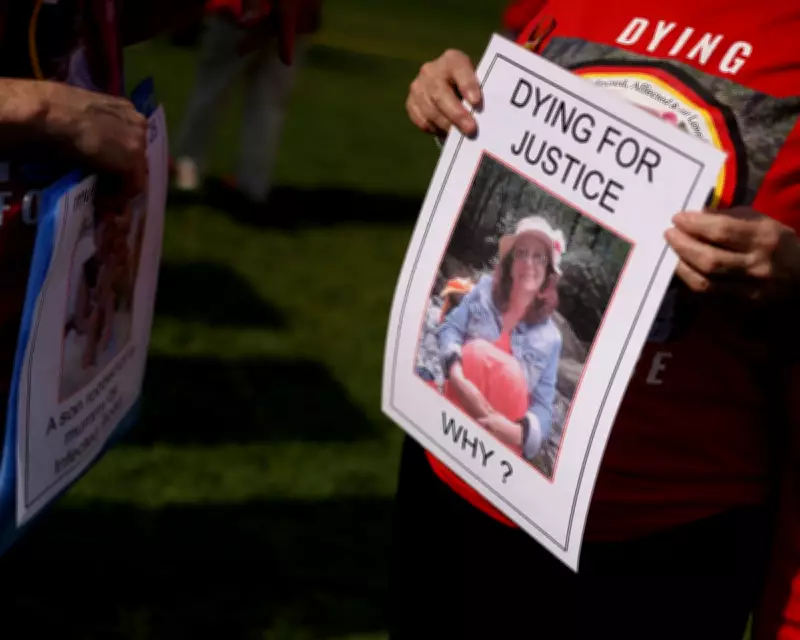
Families of victims in the infected blood scandal have launched a scathing critique of the government's compensation framework, labeling it a 'penalty for dying' that unfairly reduces financial awards for those who perished before the scheme began. This outcry comes as a vigil was held in Westminster in 2024, ahead of the final report from the infected blood inquiry, highlighting the ongoing anguish of affected communities.
Compensation Discrepancies Spark Outrage
Under the current compensation scheme, living victims and families of deceased individuals infected with HIV or hepatitis through contaminated NHS blood products are eligible for payouts. More than 30,000 people in the UK received tainted treatments before 1996, leading to over 3,000 deaths. The scheme includes a basic financial loss award of £12,500, plus additional compensation for lost earnings post-infection.
However, a critical flaw has emerged: for victims who died prior to the scheme's implementation, estates receive no compensation for future financial losses, with calculations limited to the period from infection until death. In many cases, this results in significantly reduced payouts, sometimes halving the amount compared to what living victims would receive.

Charities and Families Voice Strong Objections
In an open letter, organizations such as the Haemophilia Society and the Hepatitis C Trust have condemned this disparity. They argue that it creates an unjust situation where estates of early victims, such as those dying in the 1990s, lose out on nearly 50 years of potential financial loss compensation. Kate Burt, chief executive of the Haemophilia Society, emphasized that every infected person deserves equal valuation, regardless of survival status, stating that the scheme's credibility hinges on this principle.
Personal stories underscore the emotional and financial toll. Ami Jai Presly, whose father Jai Brahmbhatt died in 1993 at age 39, discovered that his estate would only cover 16 years of financial loss, roughly half the amount if he were alive today. She described the framework as unethical and wrong, echoing sentiments from other families who feel their losses are being minimized.
Broader Impacts on Bereaved Families
Other affected individuals, like Rachel McGuinness, whose father Christopher Thomas died in 1990, expressed disappointment over the scheme's shortcomings. She highlighted the additional burden on aging relatives, such as her 77-year-old mother, who continue to fight for fair recognition decades after their loss. Similarly, Ian Dixon, campaigning for his wife's mother Nora Worthington, noted that her estate would receive just over £1 million instead of more than £2 million had she survived, stressing that the issue is about recognition, not money.
Government Response and Future Steps
A government spokesperson acknowledged the suffering of victims and committed to working with them to ensure justice. The government is currently reviewing responses from a recent consultation on the compensation scheme, with a promise to publish findings within 12 weeks. This process aims to address concerns and make the system more fair and compassionate, though families remain skeptical given the long history of delays and inadequate responses.
The infected blood inquiry, chaired by Sir Brian Langstaff, is set to conclude its work on 31 March, adding urgency to calls for reform. As families continue to advocate for equitable treatment, the scandal serves as a stark reminder of the lasting impacts of governmental failings in healthcare.