West London Mother's Heartfelt Stem Cell Donor Plea for Her Young Sons
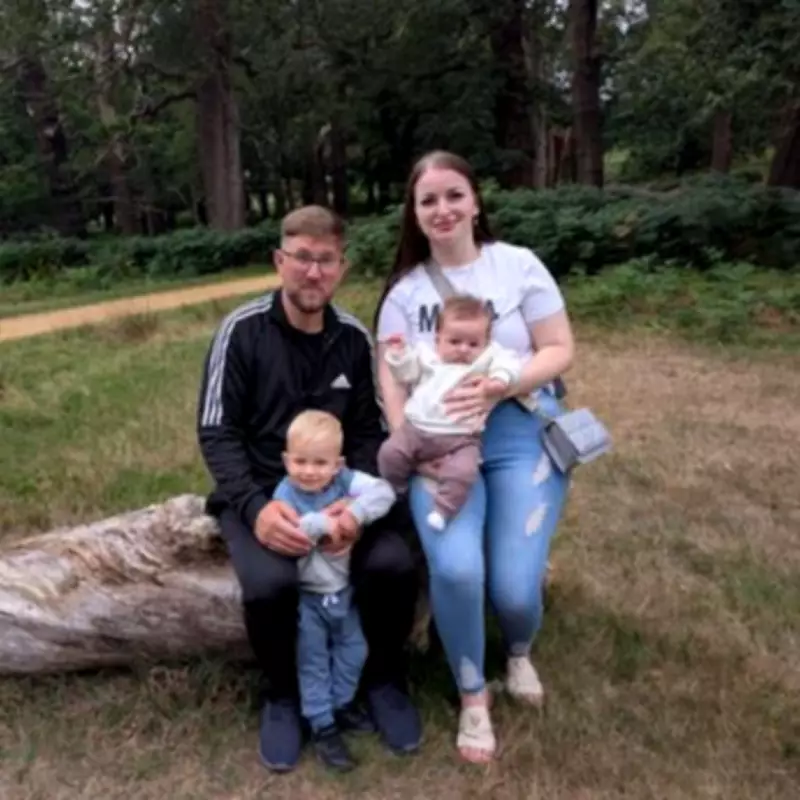
A mother from West London has launched an urgent public appeal to find compatible stem cell donors for her two young sons, hoping to provide them with an opportunity for a normal, healthy life. Marcela Zberea, 29, is desperately searching for matches for her children Cezar, aged two, and David, who is just ten months old.
Rare Genetic Diagnosis Impacts Both Brothers
Both boys have been diagnosed with Wiskott-Aldrich Syndrome (WAS), an extremely rare and life-threatening genetic disorder that severely compromises the immune system. This condition affects approximately three in every million individuals worldwide and predominantly impacts boys due to its genetic location on the X chromosome.
The symptoms of WAS include easy bruising, severe eczema, bloody diarrhoea, and prolonged bleeding from minor injuries, making everyday activities dangerous for affected children. Medical professionals have informed the family that a stem cell transplant represents the only viable treatment option for the brothers.

Family's Emotional Journey and Current Limitations
"It was so much to take," Ms. Zberea recounted emotionally. "They were both diagnosed during the same appointment. I had just given birth and David was a newborn in my lap. The doctors told us that a stem cell transplant is their only chance."
Neither Ms. Zberea nor the boys' father, Stelian Dorin Nica, 36, are suitable matches for their sons' stem cell transplants. This has forced the family to turn to the wider community for potential donors who might provide the life-saving cells needed.
The children currently lead "very restricted lives" according to their mother, who explained that they are too vulnerable to attend playgroups or interact with other children due to their compromised immune systems. "Right now, their lives are very restricted and they don't get to be like normal children," she said.
Campaign with DKMS Charity Seeks Donors
The family is now collaborating with the stem cell charity DKMS on a targeted campaign to encourage more people to register as potential donors. The appeal particularly emphasizes the need for individuals with eastern European heritage to come forward, as genetic compatibility often aligns with ethnic backgrounds.
Bronagh Hughes, a spokesperson for DKMS, emphasized the critical nature of donor registration: "For Cezar, David and so many other patients, the right stranger signing up to the register could be their only hope. It takes just a few minutes to register, but it could mean a lifetime for someone else."
Ms. Zberea made a passionate plea to the public: "We are encouraging everyone to register as a stem cell donor, as anyone could be a match. You could save a life – maybe even one of our boys." She expressed her deepest hope that her sons might receive the transplant that would allow them to "live long, happy lives" and experience the normal childhood currently denied to them.
The family's situation highlights the ongoing need for stem cell donors across the United Kingdom, particularly for children facing rare genetic disorders that require transplants for survival and improved quality of life.