Meningitis Outbreak in Kent Prompts Vaccination Expansion and Symptom Awareness
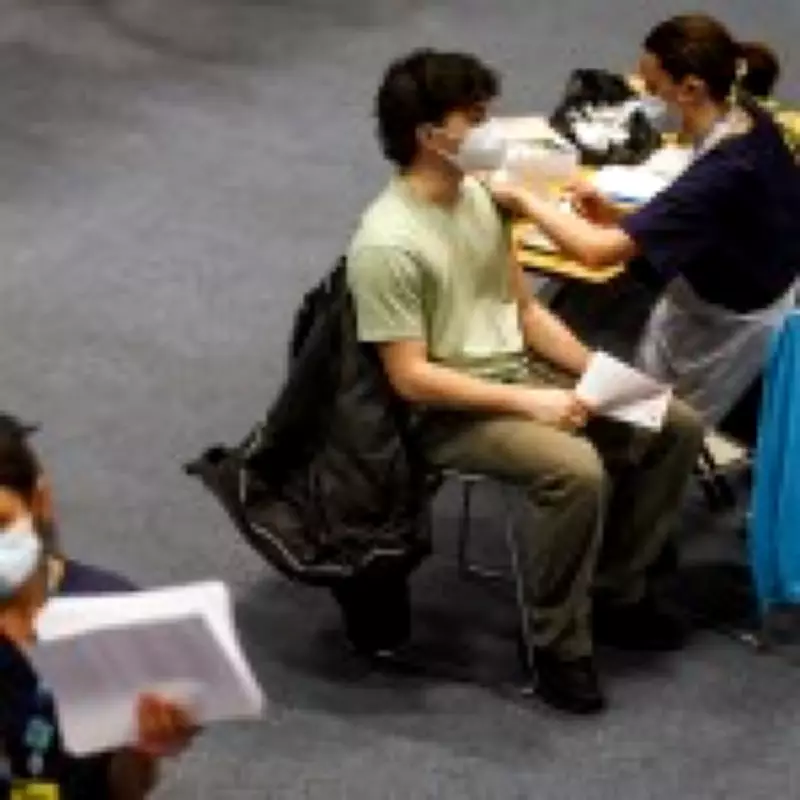
Health authorities in Kent are urgently extending meningitis B vaccinations to students following a recent outbreak that has claimed two lives and infected multiple individuals. The victims, aged between 18 and 21, include a University of Kent student and a year 13 pupil from Queen Elizabeth’s Grammar School in Faversham. According to the UK Health Security Agency, there are 20 confirmed cases, with three more under investigation. Over 10,600 people have already been vaccinated, and the programme is now being offered to 15 and 16-year-olds at four schools as a precautionary measure to ensure long-term protection against this deadly infection.
Understanding Photophobia: A Lesser-Known Meningitis Symptom
Experts are emphasizing the importance of recognizing all symptoms of meningitis, particularly photophobia, or sensitivity to light. This symptom can make everyday lighting from daylight, screens, or indoor sources feel uncomfortable or painful. Tina Patel, a contact lens optician, explains that photophobia in meningitis occurs due to inflammation of the protective membranes around the brain and spinal cord, which irritates nerves involved in pain and light perception. Symptoms to watch for include struggling with normal lighting, needing darker environments, and experiencing severe headaches, nausea, or difficulty focusing.
Photophobia is often confused with conditions like migraines or digital eye strain, but with meningitis, it typically appears alongside other signs. Experts warn that if light sensitivity becomes unbearable rather than just uncomfortable and is accompanied by general illness, it should be treated as a serious concern requiring immediate medical attention.

Common Signs and Emergency Indicators of Meningitis
Dr. Suzanne Wylie, a GP and medical adviser, highlights that bacterial meningitis can progress rapidly, leading to sepsis, shock, and organ failure within hours. Key symptoms include sudden severe headache, neck stiffness, fever, photophobia, general malaise, and vomiting. A critical warning sign is a non-blanching purplish or bruise-like rash, which can be tested with the glass test—if the rash does not fade under pressure from a glass, it is a medical emergency.
Symptoms vary by age: infants may show irritability, poor feeding, lethargy, or a bulging fontanelle, while older children and adults typically exhibit classic signs. Less common indicators include cold hands and feet, rapid breathing, unusual sleepiness, confusion, or seizures, which can signal severe disease progression.
Transmission, Risk Factors, and Public Response
Meningitis is usually spread through bacterial or viral infections transmitted via sneezing, coughing, or kissing. The NHS notes that it is often caught from carriers who are not ill themselves, with a higher risk in communal living environments like university halls. Adolescents and young adults are particularly susceptible, along with those with weakened immune systems.
Helen Whately, MP for Faversham and Mid Kent, expressed concern in a public statement, calling the outbreak a huge shock and urging the NHS for more information and guidance to address community worries.
What Is Meningitis and How Is It Treated?
Meningitis is an infection of the meninges, the protective membranes around the brain and spinal cord, caused by bacteria, viruses, fungi, or parasites. It most commonly affects babies, young children, teenagers, and young adults. Vaccinations like the MenB vaccine for babies and the MenACWY vaccine for teenagers and university freshers provide crucial protection.
The prognosis depends on the type: viral meningitis usually resolves on its own, but bacterial meningitis can be fatal if untreated, leading to sepsis, brain damage, or long-term issues such as hearing loss, vision loss, memory problems, seizures, coordination issues, or limb amputation. Prompt treatment is essential, as up to one in ten cases of bacterial meningitis results in death.
Overall, this outbreak underscores the need for public education on symptoms, timely vaccination, and immediate medical response to prevent further tragedies.