NHS Leaders Condemn Resident Doctors' Strike as Deliberate 'Maximum Harm' to Patients
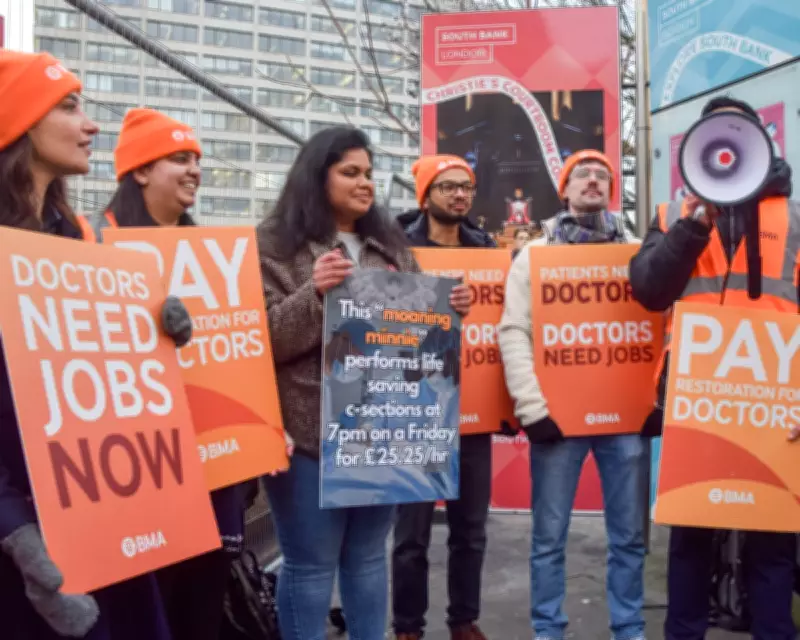
NHS bosses have launched a scathing attack on resident doctors, accusing them of intentionally seeking to cause "maximum harm" to patients by planning a six-day strike next month. The British Medical Association's decision to withdraw from negotiations with the government and NHS chiefs has ignited a fierce war of words, plunging the long-running pay and jobs dispute into deeper turmoil.
Streeting's Ultimatum and the £700m Offer
Health Secretary Wes Streeting has issued a stark ultimatum to resident doctors in England, giving them until 2 April to reconsider their rejection of what he termed a "generous" offer. The proposed deal would have provided £700 million in additional pay over the next three years, aimed at resolving the bitter standoff that began in March 2023.
During a tense NHS England board meeting, Glen Burley, the financial reset and accountability director, expressed profound disappointment, stating, "This is a point where we know we'll be at a busy stage again. So it feels like it's trying to push maximum harm, and we will try and make sure that doesn't happen." Burley added he was "really shocked" that the BMA's resident doctors committee chose not to put Streeting's offer to a full membership vote.

Breakdown in Negotiations and Escalating Tensions
NHS England chief executive Jim Mackey lamented the collapse of talks, revealing that after intensive negotiations since early January, "we felt very, very, very close that we had a deal that could work for all parties. It's incredibly disappointing that it fell to bits at the last minute." Mackey warned that the NHS must now prepare for a "long distance" run of industrial action, with the six-day strike scheduled from 7 April threatening severe disruptions.
The BMA countered that discussions "had been making good progress" until two weeks ago when "the government began to shift the goalposts," though specifics were not disclosed. According to reports, ministers had offered the £700m boost through accelerated pay scale progression between 2026 and 2029, addressing doctors' demand for "full pay restoration" via a 26% salary uplift. However, the BMA insisted on receiving the funds in a single year, 2026-27, and walked away when the government refused.
Political Fallout and Future Implications
In the Commons, Streeting escalated the confrontation, warning the BMA it has one week to reconsider or risk losing the offer entirely, including plans to expand specialist medical training places from 1,000 to 4,500—a key BMA demand. Dr. Jack Fletcher, chair of the resident doctors committee, dismissed Streeting's claim of a 35% pay rise over four years as "misleading," arguing inflation has severely eroded any gains.
As the standoff intensifies, the NHS braces for unprecedented strain, with patient care hanging in the balance. The dispute highlights deep-seated frustrations over pay erosion and working conditions, threatening to prolong one of the most damaging industrial actions in recent health service history.