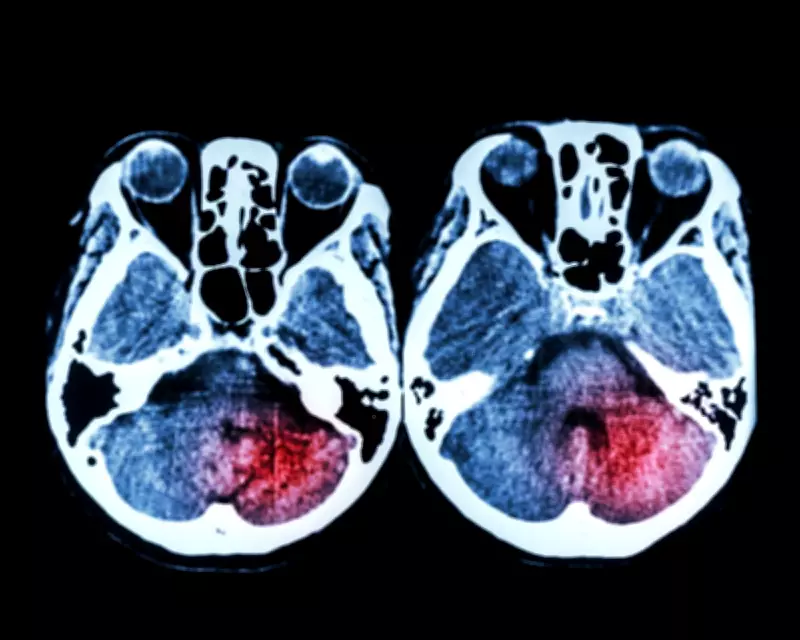
NHS Falls Short on 24/7 Stroke Treatment Pledge Across England
More than 100,000 individuals in the UK suffer a stroke annually, with 38,000 fatalities and many survivors facing life-altering disabilities that strip away their independence. Despite repeated ministerial assurances, the NHS has failed to ensure round-the-clock availability of a critical stroke treatment known as mechanical thrombectomy across all of England.
Key Treatment Remains Inaccessible in Some Regions
Mechanical thrombectomy, hailed by doctors as a game-changing intervention, involves removing clots from brain arteries to prevent severe disability if administered promptly. The health service was expected to make this procedure available 24/7 nationwide starting April 1, but seven out of England's 24 regional stroke centres have not met this deadline. These centres, located in Hull, Middlesbrough, Leeds, Sheffield, Newcastle, Brighton, and Coventry, primarily cite shortages of doctors and specialized staff as the barrier.
Experts warn that this gap in service could lead to avoidable severe disabilities or deaths for patients experiencing strokes during off-hours in underserved areas. Dr. Sanjeev Nayak, a stroke specialist at the Royal Stoke hospital, emphasized the disparity, stating, "A patient presenting during normal working hours in a well-served area may receive rapid, life-changing treatment, whereas the same patient presenting at night or in a different region may not receive thrombectomy at all. This creates a real postcode lottery in access to one of the most effective treatments in modern medicine."

Funding and Implementation Challenges
While 17 centres already offer thrombectomy around the clock, the remaining seven have struggled to expand their operations. NHS England allocated an additional £14 million in targeted funding to support service expansion, including staff training, but implementation has been slow. Karin Smyth, the NHS minister, confirmed as recently as March 23 that universal 24/7 access was intended by April, yet the goal remains unmet.
Alexis Kolodziej, deputy chief executive of the Stroke Association, expressed deep concern, noting, "It's deeply troubling that access to thrombectomy remains dependent on the time of day and the area in which you live, with around-the-clock access being simply impossible for some patients in parts of the UK. The government's failure to deliver on its promise leaves patients at a significant disadvantage." She acknowledged the investment but criticized the sluggish rollout in certain regions.
Impact on Public Health and Future Steps
The NHS spends over £100 million annually on thrombectomy, viewing it as a key strategy to reduce the 113,000 avoidable deaths from major conditions like heart disease and cancer in England. Thrombectomy is a minimally invasive procedure where doctors use a catheter to remove brain clots, restoring blood flow. However, without consistent 24/7 access, delays could compromise patient outcomes.
In response to the shortfall, some centres, such as University Hospital Coventry and Royal Sussex County Hospital in Brighton, refer patients to other hospitals during off-hours. Yorkshire and the north-east currently lack any form of 24/7 service, exacerbating regional inequalities. NHS England has acknowledged the failure to achieve universal access by April but reaffirmed its commitment to prioritizing this expansion, working with trusts and integrated care boards to improve availability swiftly.
A spokesperson stated, "The majority of thrombectomy centres currently offer 24/7 services, and we are working directly with trusts and integrated care boards to further improve access for all patients as soon as possible." As the NHS grapples with staffing shortages and logistical hurdles, the urgency to bridge this treatment gap grows to prevent further health disparities across England.