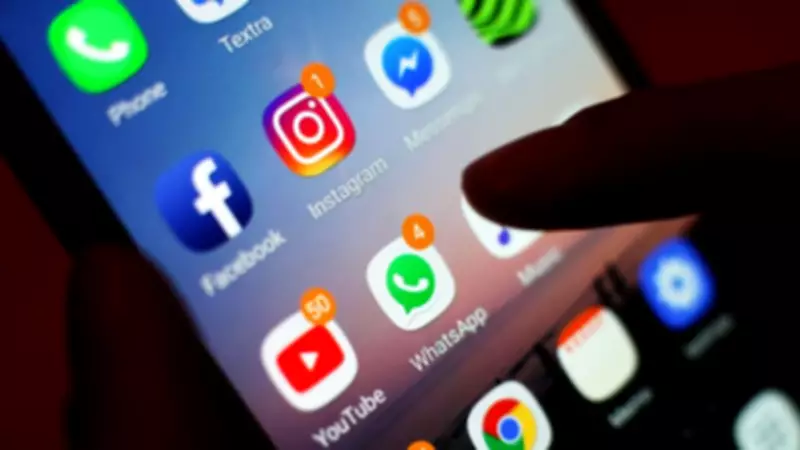
Global Surge in Social Media Restrictions for Young People
It has been four months since Australia introduced a groundbreaking ban on social media access for individuals under the age of 16, sparking a significant international movement. Governments across the globe are now actively considering or implementing similar measures to regulate online platforms, driven by escalating worries about the impact of social media on the health and safety of children.
While Australia remains one of the few nations to enforce a comprehensive blanket prohibition, numerous countries have adopted various regulatory steps. This article provides an overview of the current landscape, detailing which countries have established rules and which are proposing stricter bans.
Australia's Pioneering Legislation
Australia's landmark law took effect on December 10, 2025, mandating that ten major social media platforms block users under 16 or face fines of up to AU$49.5 million (approximately £25 million). Julie Inman Grant, Australia's eSafety commissioner, emphasized that these restrictions aim to shield young Australians from the pressures and risks associated with social media use. She highlighted concerns over design features that encourage excessive screen time and expose users to harmful content affecting their wellbeing.

European Nations Taking Action
In Europe, France has made significant strides by approving legislation in its National Assembly to ban children under 15 from social media, citing issues like online bullying and mental health risks. The bill is set for a Senate vote, and if passed, France would become the first European country to implement such a ban, extending beyond existing mobile phone restrictions in schools.
President Emmanuel Macron hailed this as a major step for protection, though critics from the hard left argue it is an overly simplistic solution. Meanwhile, the United Kingdom has seen the House of Lords back a social media ban for under-16s through an amendment to the Children's Wellbeing and Schools Bill. The government has launched a public consultation and plans trials involving 300 teenagers to assess measures like overnight curfews and restrictions on addictive features.
Other European countries are also moving forward. Austria announced a ban for children up to age 14, with draft legislation expected by June, incorporating modern age verification methods. Spain's prime minister, Pedro Sanchez, pledged an under-16 ban as part of broader online safety measures, while Denmark plans to restrict access for those under 15, with parental allowances for younger teens. Norway has initiated a public consultation on a similar proposal, and countries like Germany, Greece, Italy, Poland, Portugal, and Slovenia are either enforcing consent-based systems or drafting bans.
Asian and American Initiatives
In Asia, Indonesia rolled out a regulation on March 28, 2026, banning children under 16 from high-risk platforms such as TikTok, Facebook, and Instagram to combat pornography, cyberbullying, and addiction. This makes Indonesia the first Southeast Asian nation to adopt such measures, affecting an estimated 70 million children.
China has implemented a "minor mode" program with device-level restrictions, and India's Karnataka state passed legislation banning social media for under-16s, with other states considering similar actions. Malaysia plans to introduce a ban for users under 16 starting this year, requiring parental management of accounts.
In the Americas, the United States has seen states like Utah lead with laws requiring parental consent for social media use by minors, though these face legal challenges on free speech grounds. Brazil enacted the Digital Statute of Children and Adolescents, mandating that users under 16 link accounts to guardians and banning addictive features like infinite scrolling.
Ongoing Debates and Future Outlook
The global push for social media bans reflects deep-seated concerns about digital wellbeing, but it also sparks debates over effectiveness and freedom. As more countries join this trend, the focus remains on balancing protection with technological innovation and privacy rights. The coming months will likely see further developments as governments refine their approaches to safeguarding young people in the digital age.