Thailand's Sugar Reduction Drive: Street Vendors Resist as Chains Cut Sweetness
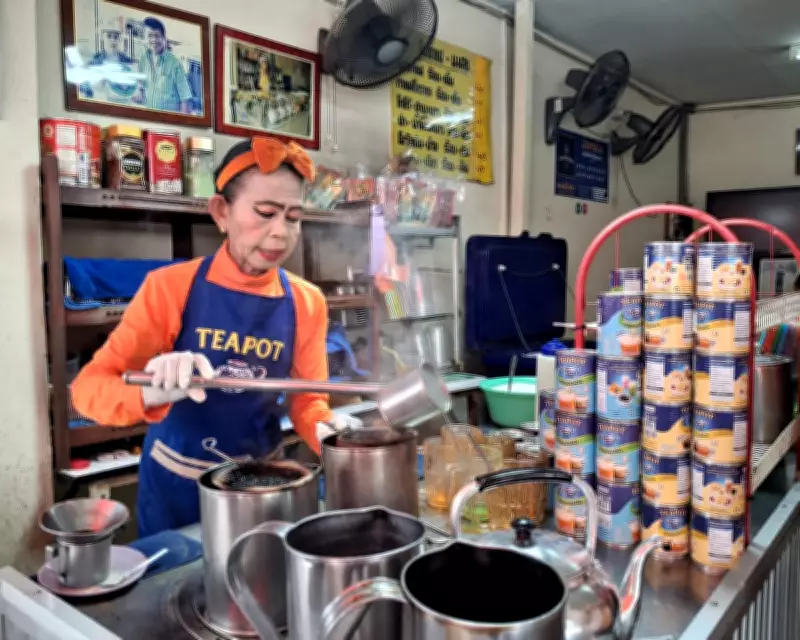
In Bangkok's historic old town, Auntie Nid has been serving teas and coffees for three decades, crafting beloved beverages with a signature sweetness that defines her shop's popularity. At 68 years old, she cannot fathom altering her recipes to reduce sugar content, a stance that puts her at odds with a nationwide health initiative.
Government Campaign Targets Sugar in Beverages
The Thai government is actively working to decrease the amount of sugar added to the country's most popular drinks, driven by public health concerns. This month, nine major coffee chains committed to halving the sugar levels considered "normal sweetness" in select beverages. The campaign aims to reset consumer taste preferences and improve overall health outcomes.
Thai citizens consume an average of 21 teaspoons of sugar daily, significantly exceeding the World Health Organization's recommended limit of six teaspoons. Sugary drinks are a primary contributor, with Thailand historically ranking among Asia's top consumers of calories from sweetened beverages.

Sugar Tax and Regulatory Challenges
Thailand has implemented a sugar tax on pre-packaged sugary drinks, introduced gradually since 2017 and fully rolled out last year. According to Pojjana Hunchangsith, assistant professor at Mahidol University, the tax has spurred product reformulation, with many manufacturers reducing sugar levels to avoid higher tax rates.
However, the tax does not apply to street vendors or cafes, where menus feature an extensive array of sweet options like boba milk teas, iced cocoa, lemon tea, and pink milk. Pojjana notes that these freshly made drinks are crucial sources of sugar intake in Thailand but are far more challenging to regulate compared to packaged products.
Consumer Adaptation and Behavioral Nudges
Many coffee shops now display cards allowing customers to choose sweetness levels from 0% to 100%. Under the new campaign, 100% sweetness for certain drinks will be half as sugary as before. Ann Thumthong, a 55-year-old Bangkok taxi driver, supports these measures, acknowledging the difficulty of avoiding sweet items when purchasing food and drinks.
Thumthong emphasizes that retraining sweetness preferences is possible, sharing her personal shift toward healthier choices with age. Phumsith Mahasuweerachai, associate professor at Khon Kaen University, highlights that simple adjustments, like offering sweetness options, can encourage better choices. His research found that providing calorie information had less impact than prompting customers to select their preferred sweetness level.
Street Vendor Resistance and Cultural Significance
At Auntie Nid's shop, customer Phakamas, 39, enjoys an iced cocoa during her lunch break, viewing occasional sugar consumption as acceptable. Auntie Nid, however, firmly rejects changing her recipes, arguing that sugar is essential for the strong, intense flavors that make her drinks popular. Her shop, frequented by tourists, local workers, and students, has gained fame through social media, underscoring the cultural and economic role of traditional vendors.
This resistance illustrates the broader challenge in balancing public health goals with the preservation of culinary traditions and small business autonomy in Thailand's vibrant food and drink scene.